A Complete Guide to Rewiring an Older Home Safely
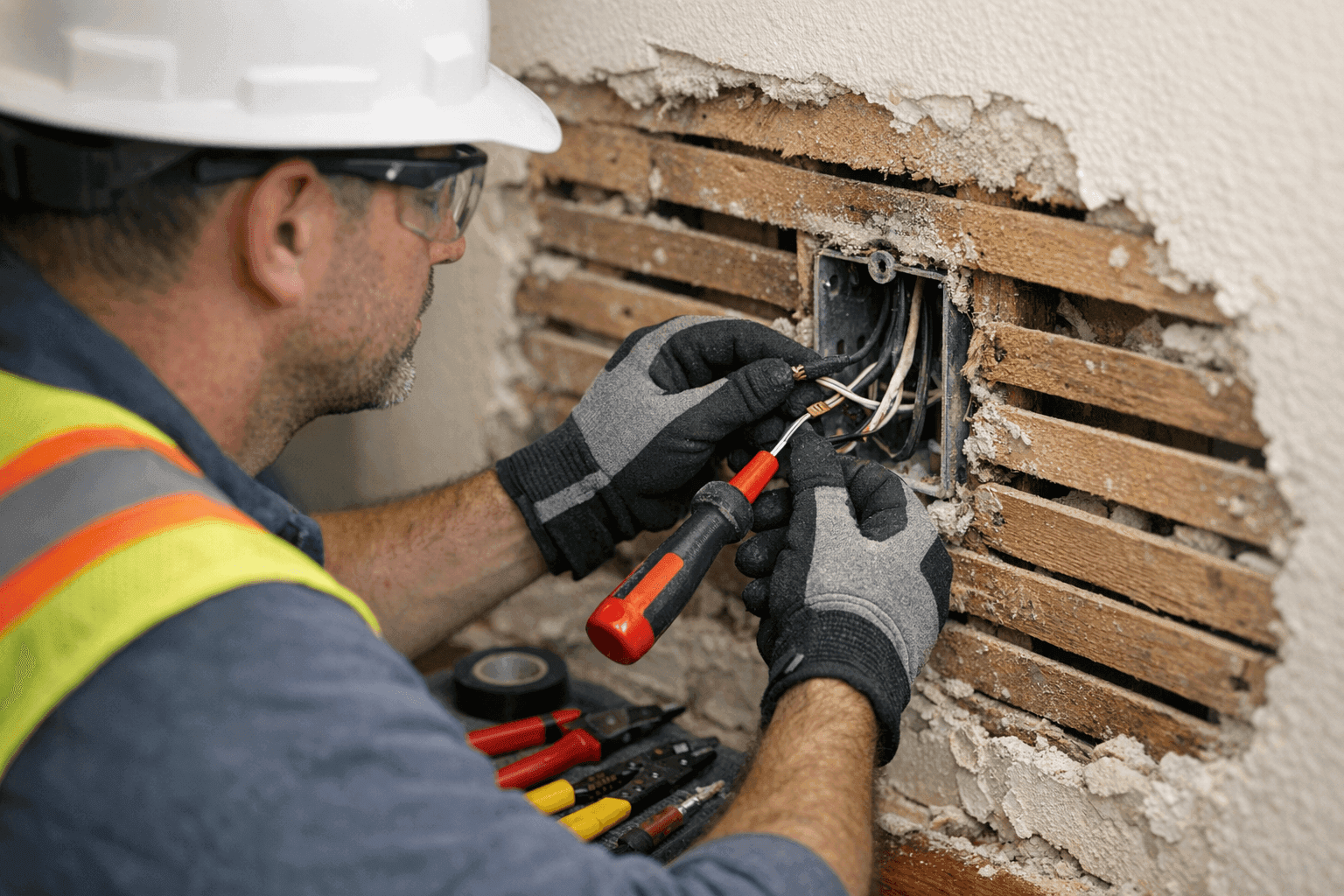
Does your house whisper stories from decades past? While old homes have character, their wiring can be a ticking clock—one you don’t want to ignore. At LintPro Electric, we specialize in helping homeowners and business owners bring safety and peace of mind back to their treasured spaces.
Rewiring isn’t just an upgrade. It’s about protecting your family and your investment from real dangers. Let’s walk through what you need to know, what to expect, and how to make the smartest choices for your property.
Why Do Older Homes Need Rewiring?
Wiring is like the veins of your home. In houses built before the 1970s, those veins often carry outdated insulation, overloaded circuits, and materials that no longer meet today’s safety codes (refer to the National Electrical Code). Worn wires can overheat, spark, or even fail completely.
Common issues include:
- Cloth-wrapped or knob-and-tube wiring (fragile and risky)
- Limited capacity (not designed for modern devices)
- Missing or faulty grounding
- No GFCI or AFCI protection
The longer you wait, the greater the risk of shocks, outages, or fire. It’s not about scaring you—it’s about staying safe.
Warning Signs: How to Know Your Home Needs Rewiring ⚠️
Sometimes, your house tries to tell you there’s trouble brewing. Watch for these signals:
- Flickering, dimming, or buzzing lights
- Frequent blown fuses or tripped breakers
- Discolored outlets or switches
- Burning smells, especially near outlets
- Outlets that feel hot to the touch
- Sparking when plugging things in
- Extension cords everywhere—signaling not enough outlets
If your home’s wiring is more than 40 years old, or you’re unsure when it was last checked, it’s time for a professional assessment.
Quick Safety Checklist Before You Start
Before taking the plunge, complete these steps:
- Check your home’s electrical panel for age and labeling
- Identify any aluminum or knob-and-tube wiring
- Note any outlets or switches without three prongs
- Test GFCI outlets (press “test” and “reset”)—if missing, call for help
Not sure where to begin? LintPro Electric offers thorough Electrical Safety Inspections to pinpoint issues before they escalate.
Planning Your Rewiring Project
Think of rewiring like a road trip. You’ll need a map, supplies, and an expert driver. Here’s what to consider:
- Assessment: A licensed electrician inspects your current wiring and maps out circuits.
- Permits: Rewiring always requires permits and inspections.
- Scope: Decide if you want just critical circuits upgraded, or a full-home overhaul.
- Budget: Costs vary—size, access, and materials matter. Get a detailed quote.
Want a home that’s ready for tomorrow? Ask about Electrical System Design for future-ready capacity.
The Process: What to Expect During a Rewire
Rewiring is a bit like open-heart surgery for your house. Here’s the step-by-step:
- Preparation: Move furniture, cover valuables, and clear workspaces.
- Access: Electricians cut small holes in walls and ceilings to access wires.
- Wiring: Old wires are removed or bypassed; new cables, outlets, and switches are installed.
- Upgrades: Panels, breakers, and grounding are brought up to code.
- Testing: Every circuit is tested for safety and function.
- Finishing: Patching, painting, and cleanup follow.
Expect some dust, noise, and up to several days of disruption—especially in large or historic homes.
Minimizing Disruption: Tips for Homeowners
A little preparation goes a long way:
- Move fragile items and electronics out of work zones
- Plan to be out of the house, or stay in unaffected rooms
- Cover furniture and floors
- Communicate any special needs (pets, security systems, etc.)
At LintPro Electric, we respect your space and keep job sites tidy.
Upgrading for Code and Safety
Rewiring isn’t just about replacing old wires. It’s a chance to bring your home up to the latest safety standards:
- Install GFCI outlets in kitchens, baths, laundry, and outdoors (per NEC guidelines)
- Add AFCI protection to bedrooms and living areas
- Ensure proper grounding throughout
- Upgrade service panels for future appliances and electric vehicle chargers
Check the National Electrical Code (updated every three years) for current requirements, or ask your electrician for clarification.
Enhancing Capacity for Tomorrow’s Needs ⚡
Our lives are more connected than ever—think smart devices, home automation, and electric vehicles. Don’t just match your old system; future-proof it:
- Add extra circuits for computers, entertainment, or home offices
- Pre-wire for internet, data cabling, and security
- Plan for potential additions like EV chargers or backup generators
A little planning now saves costly upgrades later.
DIY vs. Professional Electrician: What’s Safe to Tackle?
Changing a lightbulb? Fine. But rewiring is another league. Mistakes can mean shock, fire, or failed inspections. Only a licensed, insured electrician should handle major wiring work.
LintPro Electric’s team is extensively trained in both residential and commercial codes—including the quirks of historic homes. That means safer, cleaner work, and code-compliant results.
What Happens on Day One: How Pros Start
Expect a friendly, clearly identified LintPro Electric technician to walk through your home, review your concerns, and double-check all panels, outlets, and fixtures. We’ll explain the plan, answer your questions, and keep you updated at every stage.
How Long Does Rewiring Take?
Every house is different. A small home may need just a few days. Large, multi-story, or historic homes can take a week or more. Factors include:
- Accessibility of wiring
- Finished vs. unfinished walls
- Number of circuits and outlets
- Any special upgrades or surprises
We’ll always give you a realistic timeline up front.
How Much Does It Cost?
Rewiring is an investment. Costs depend on square footage, number of circuits, and the complexity of your home’s construction. While it’s tempting to save money with shortcuts, remember: safety and code compliance are priceless.
Ask about options for phased work or targeted upgrades if a full rewire isn’t practical right away.
Common Mistakes to Avoid
- Ignoring warning signs or delaying too long
- Hiring unlicensed handymen
- Skipping permits and inspections
- Choosing lowest-bid contractors over qualified professionals
- Not planning for future needs
Protect your home by choosing a reputable, licensed electrician company.
Seasonal Tips: Best Time to Rewire
Spring and early fall are ideal—comfortable weather, easier scheduling, and less disruption from holidays. If you’re planning other renovations, coordinate rewiring first to minimize wall repairs.
Frequently Asked Questions
Can I live in my home during a rewire?
Usually yes, though you may be without power in some rooms for short periods.
What about insurance?
Notify your insurer—rewiring can lower premiums and increase resale value.
Will my old light fixtures work with new wiring?
Often yes, but it’s a good opportunity to upgrade for efficiency and safety.
Prevention & Ongoing Maintenance
Once your home is rewired, keep it safe:
- Schedule regular safety checks every 3–5 years
- Test smoke and carbon monoxide detectors monthly
- Don’t overload outlets or extension cords
A well-maintained system means peace of mind for years to come.
Choosing the Right Electrician for Your Older Home 🛠️
Not every electrician is comfortable working in older or historic homes. Look for:
- Licensing and insurance
- Experience with vintage construction
- Knowledge of both modern and legacy wiring methods
- Clear communication about timelines, costs, and expectations
If you’re searching for an electrician contractor with experience in old-home wiring, LintPro Electric is ready to help.
Ready to Rewire With Confidence?
Your home’s safety can’t wait. The right wiring protects your loved ones, your investment, and your future. Call LintPro Electric now — or reach us anytime at 844-484-8656 .