How to Troubleshoot a Tripped Breaker: Step-by-Step Guide
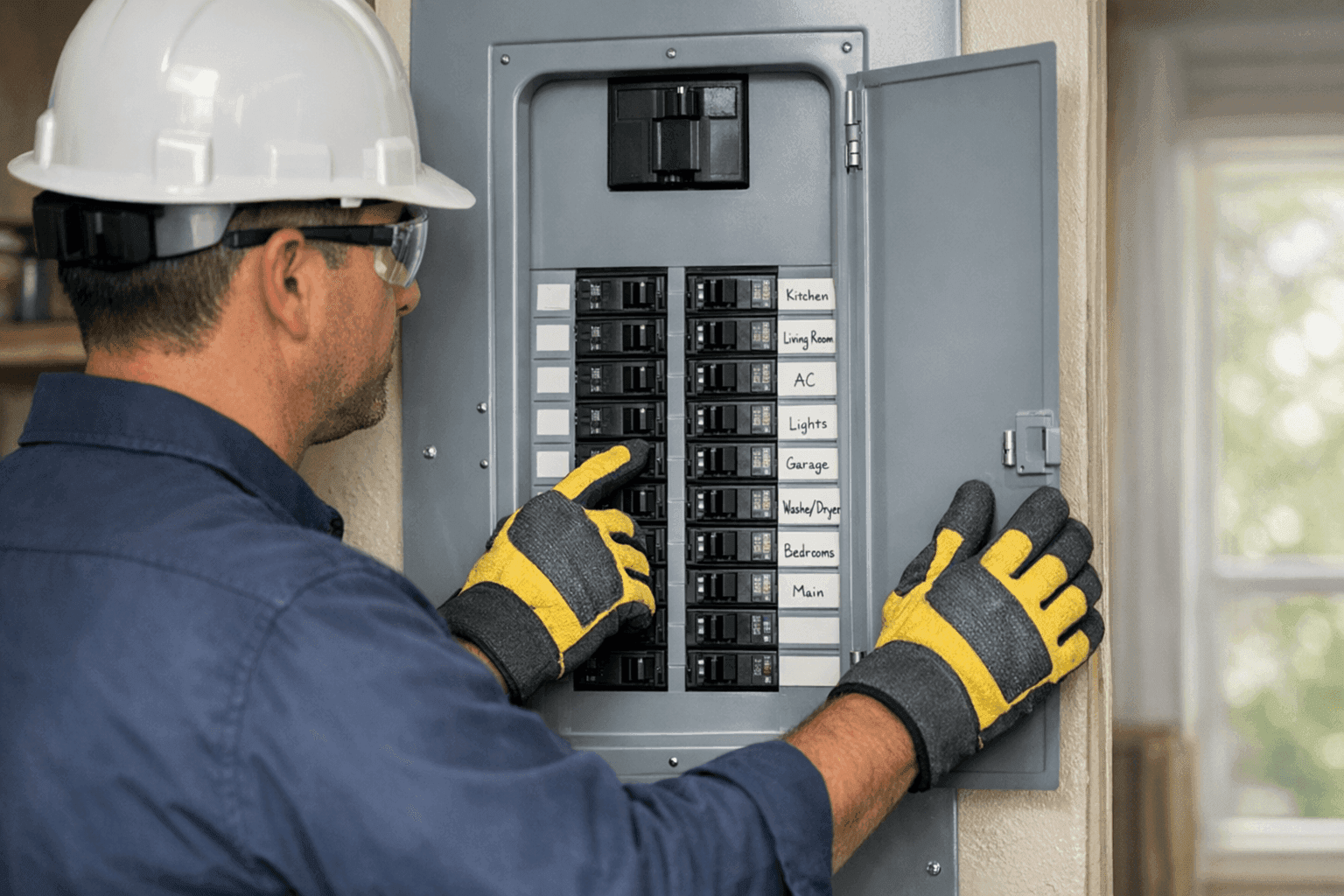
Have you ever been plunged into darkness just as you’re about to make your morning coffee? Or lost power to half your office after plugging in another printer? If you’ve found yourself standing in front of a breaker panel, scratching your head, you’re not alone.
At LintPro Electric, we know that a tripped breaker can bring everything to a halt. It’s not just inconvenient—it can be a safety concern. This guide walks you through what to do, step by step, so you can get back to living or working safely and comfortably.
What Is a Tripped Breaker—And Why Does It Happen?
Imagine your breaker as a safety referee, blowing the whistle when too much electricity tries to run through your wires. When something goes wrong—like a crowded highway during rush hour—it “trips” and shuts off the flow.
Breakers trip most often because:
- Too many devices are plugged in (overload)
- Wires or appliances are damaged (short circuit)
- A faulty device is drawing too much power
Quick Safety Checklist Before You Start ⚡
Safety comes first. Before you even open your panel:
- Turn off and unplug all devices in the affected area.
- Dry your hands and stand on a dry surface—never touch electrical panels with wet hands.
- Use a flashlight, not a lighter or candle, if it’s dark.
- If you smell burning, see smoke, or suspect water near the panel, step away and call an electrician immediately.
Remember: Never force anything in your breaker panel. Electricity isn’t forgiving—treat it with respect.
How to Spot a Tripped Breaker
A tripped breaker isn’t always obvious. Here’s what to look for:
- One switch in the panel is sitting halfway between ON and OFF.
- The label (if there is one) might match the area with no power.
- Sometimes, the breaker will hum or feel warm—signs to take extra caution.
If your panel’s labels are faded or missing, now’s the time to make your own notes for next time.
Step-by-Step: Resetting a Tripped Breaker
Ready to restore power? Follow these steps:
- Open your breaker panel door.
- Identify the breaker that’s not aligned with the others.
- Firmly push it to OFF. This resets the internal mechanism.
- Wait five seconds.
- Push it back to ON.
- Check if power is restored.
If the breaker immediately trips again, stop. There’s a bigger issue that needs professional attention.
Common Causes: What Trips a Breaker?
The most common culprits:
- Overloaded circuits: Too many appliances (think toaster, microwave, and space heater on the same line).
- Short circuits: Wires or appliances that are damaged or have loose connections.
- Ground faults: Similar to short circuits, often in damp areas like kitchens or bathrooms.
- Faulty appliances: Old or broken equipment can draw more current than safe.
Each of these problems is like a traffic jam—the breaker steps in to prevent an accident.
When Should You Call an Electrician?
Don’t try to be a hero if:
- The breaker trips again right after resetting.
- You notice burning smells, scorch marks, buzzing, or any signs of heat.
- There’s water anywhere near your panel.
- You’re unsure which breaker controls what.
This is where trained professionals come in. If you’re searching for an electrician with experience in troubleshooting Panels & Breakers, we’re here for you.
What If the Breaker Won’t Reset?
Sometimes, a breaker refuses to stay on. Here’s what you should do:
- Leave it off. Don’t keep trying to reset it—it’s a sign of a serious fault.
- Unplug everything on that circuit. Try again. If it still trips, stop.
- Call an electrician to perform fault finding and repairs.
A stubborn breaker is like a locked door—it’s protecting you from a bigger problem behind the scenes.
Visual and Physical Signs of Trouble
Pay attention to these warning lights:
- Burn marks or discoloration on the panel or outlets
- Crackling or buzzing sounds
- Warmth or a burning smell near switches or outlets
- Flickering lights when the breaker resets
If you spot any of these, step back and reach out for help.
How the Pros Handle a Tripped Breaker
When you call LintPro Electric, here’s what happens:
- We inspect your panel and test the affected breaker.
- We trace the circuit to find overloaded or malfunctioning devices.
- We check wiring and outlets for hidden damage.
- We follow the latest National Electrical Code (NEC) safety standards for every step.
It’s not just flipping a switch—it’s thorough detective work, using both experience and specialized tools.
DIY vs. Professional Help: Where’s the Line?
You can safely reset a breaker and unplug devices. But if the breaker trips repeatedly or you notice physical damage, it’s time to call a licensed electrician. Electrical work beyond the basics can be dangerous and, in many places, illegal without proper certification.
Checklist: Preventing Tripped Breakers in the Future
Want to avoid trouble next time? Try these tips:
- Spread out appliances—don’t crowd one outlet or circuit.
- Upgrade old wiring if your home or business is more than 30 years old.
- Use surge protectors for sensitive electronics.
- Request an electrical safety inspection every few years, especially if you notice flickering lights or sparks.
- Label your panel so you know what controls what.
For more on keeping your system safe, check our panels and breakers service page.
What About Seasonal Surges?
Stormy weather, holiday lights, or extra heaters can all put extra strain on your wiring. Schedule seasonal checkups—especially before winter or summer—so your system is ready for whatever comes.
Frequently Asked Questions
Q: Is it safe to reset a breaker myself?
A: Yes, as long as you follow the steps above and there are no signs of damage or burning.
Q: How often do breakers go bad?
A: Breakers are long-lasting, but like anything, they can wear out—especially in older panels.
Q: What’s the difference between a fuse and a breaker?
A: Fuses melt and break the circuit; breakers trip and can be reset. Both protect against overload.
Q: I keep losing power to one room. Is it always the breaker?
A: Not always. It could be a loose connection, faulty outlet, or appliance drawing too much power.
When It’s an Emergency
If you see smoke, sparks, or feel heat from your panel, treat it as an emergency. Turn off the main breaker if you can do so safely, leave the area, and call us right away. Your safety is always more important than your appliances.
The Cost and Timeline
Simple resets are quick and free. But if you need repairs, panel upgrades, or rewiring, costs and time can vary. We’ll always explain your options up front and work to minimize disruption.
Don’t Let Electrical Problems Slow You Down
Breaker issues are common, but with care and the right know-how, most can be fixed fast. For tougher problems—like breaker panels that won’t reset, repeated trips, or signs of damage—it’s best to call in the professionals.
LintPro Electric is ready to help with everything from basic repairs to advanced fault finding and repairs. Whether you need Low Voltage Systems near you or full system upgrades, our team is just a call away.
Call LintPro Electric now — or reach us anytime at 844-484-8656 .