Choosing the Right Backup Generator for Your Home or Business
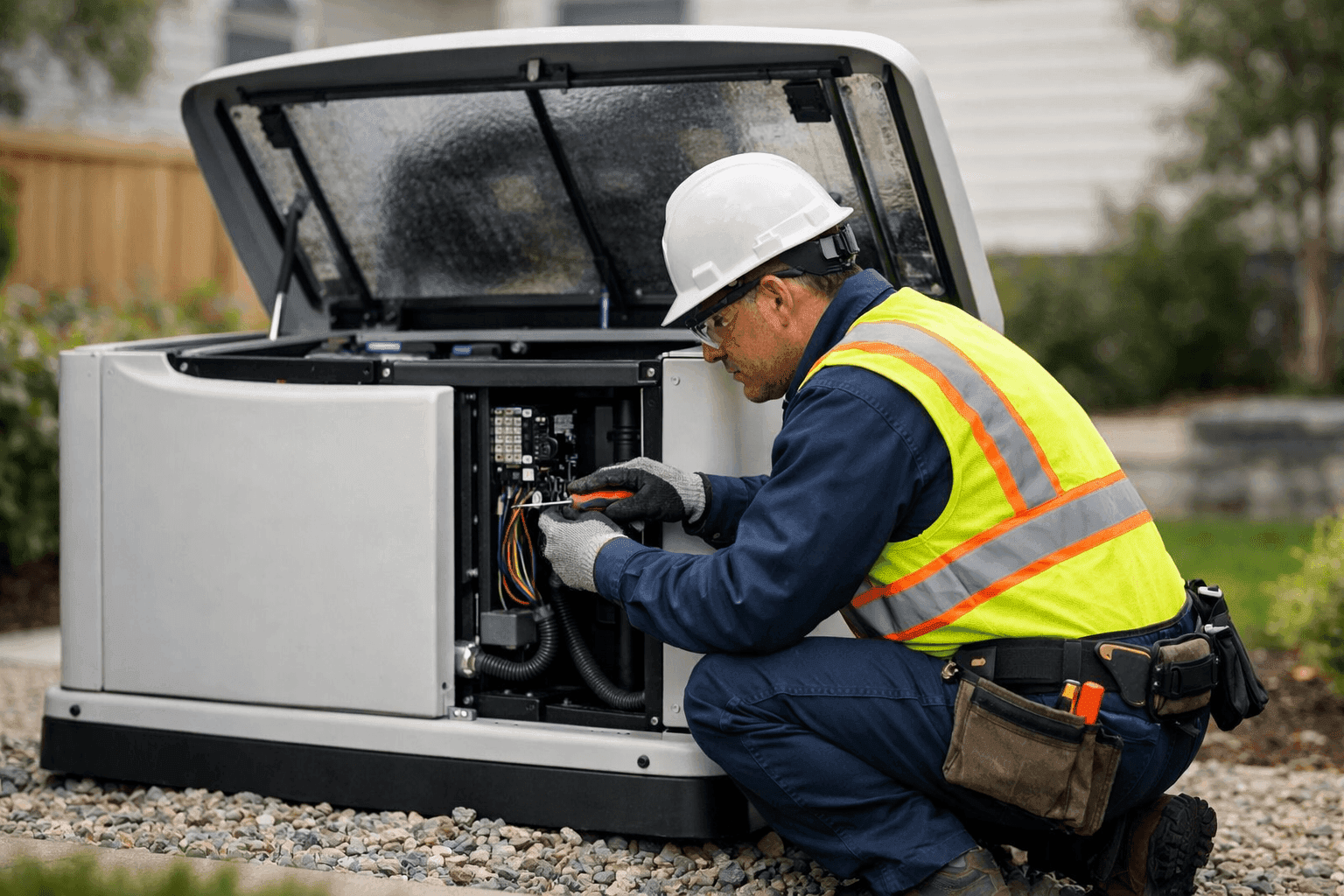
Are you tired of blackout anxiety? Power outages can grind both homes and businesses to a halt—leaving you in the dark, or worse, costing you real money. At LintPro Electric, we get it. You want your lights on, your fridge cold, and your business running, no matter what the weather or grid throws your way.
Choosing the right backup generator is more than a convenience—it's about safety, security, and peace of mind. Let’s break down how to get it right.
Why Invest in a Backup Generator? ⚡
When the power goes out, it’s not just the lights that stop working. Refrigerators, heating systems, medical equipment, security alarms—all can fail in a blink. For businesses, downtime means lost revenue and productivity.
A backup generator acts like a safety net. It kicks in when the main grid fails, keeping your essentials running. For families, this might mean safety and comfort. For businesses, it’s continuity and protecting your bottom line.
Types of Backup Generators Explained
Not all generators are created equal. Let’s look at the main types you’ll encounter:
- Portable Generators: Small, mobile units. Great for temporary needs or small homes. They run on gasoline or propane. You’ll need to start them manually and plug in devices directly or through a transfer switch.
- Standby Generators: These are permanent fixtures, installed outside your building. They start up automatically when the power drops. Fueled by natural gas or propane, they can power your whole home or business.
- Inverter Generators: Quieter, more fuel-efficient, and stable. Excellent for sensitive electronics, but usually lower in output.
Ask yourself: Do you need something quick and mobile, or a set-it-and-forget-it solution? For most homes and businesses, standby generators deliver the most reliability and power.
Fuel Options: Which Is Right for You?
Generators can run on several fuels. Here’s what you need to know:
- Natural Gas: Clean, reliable, and always ready if you have a gas line. No need for refueling.
- Propane: Burns clean, stores well, but you’ll need a storage tank.
- Diesel: Powerful with long shelf-life, but noisier and requires regular maintenance.
- Gasoline: Easy to find but not ideal for long-term storage or larger generators.
Consider what's available in your area and how long you want your generator to run without interruption.
Standby vs. Portable Generators: Pros and Cons
Standby Generators
- Automatic operation
- Can power entire buildings
- Quiet and weather-resistant
- Higher upfront cost, but less hassle
Portable Generators
- Lower cost, easy to store
- Manual setup and fueling
- Limited power output
- Not ideal for long-term outages
For most commercial needs and larger homes, standby is the clear winner. Portables are handy for short-term or limited needs but require more manual work during an outage.
How to Size a Generator for Your Needs 🏠🏢
Sizing a generator isn’t guesswork. Too small, and you risk outages. Too large, and you waste money. Here’s a simple way to start:
- List your essentials: What must stay powered? Refrigerator, furnace, lights, Wi-Fi, security systems, computers, or heavy machinery?
- Add up wattage: Check the labels or manuals for each item. Add starting wattage (often higher than running wattage).
- Factor in surges: Motors and compressors (like HVAC) need extra power to start.
- Consider future needs: Planning renovations or buying new appliances? Add a buffer.
For businesses, don’t forget critical systems like point-of-sale, IT networks, security, and emergency lighting.
A licensed electrician can help you calculate the exact capacity—especially for custom or large-scale needs. The National Electrical Code (NEC) offers guidelines for safe sizing and installation.
Installation: What You Need to Know
Installing a generator isn’t a plug-and-play job. Here’s what’s involved:
- Site assessment: Find a safe, code-compliant spot, away from windows and doors.
- Transfer switch: Essential for safe operation—prevents backfeeding power to the grid.
- Fuel connections: Proper piping and ventilation for natural gas or propane.
- Permits and code compliance: Always follow local laws and building codes. Improper installation can be dangerous—and void your warranty.
- Professional installation: Unless you’re experienced with high-voltage wiring and local codes, this is a job for a qualified electrician.
Looking for Installations? The right electrician company can guide every step.
Maintenance Tips for Long-Term Reliability 🛠️
A generator is like a car—it needs regular attention:
- Run it monthly: Exercise the engine for 20–30 minutes to keep parts lubricated.
- Check fluids and filters: Oil and air filters need regular changes.
- Inspect fuel supply: Ensure tanks are full (for propane/diesel) and lines are clear.
- Test transfer switch: Make sure it still operates smoothly.
- Annual professional inspection: Certified electricians spot issues before they become problems.
Following the manufacturer’s maintenance schedule keeps your warranty intact and your generator ready.
Quick Safety Checklist
- Keep generators at least 5 feet from doors and windows.
- Never use portable generators indoors (dangerous carbon monoxide buildup).
- Store fuel safely—away from heat and flames.
- Use rated extension cords and transfer switches.
- Install carbon monoxide detectors nearby.
DIY vs. Call a Pro
Some tasks—like checking oil or running monthly tests—are DIY-friendly. But wiring, transfer switch installation, and troubleshooting electrical faults? That’s where a licensed electrician steps in. Mistakes can be costly or dangerous. For peace of mind, professional help is worth it.
What Electricians Do On Arrival
Expect a thorough walk-through. Pros will:
- Evaluate your power needs
- Recommend the right size and type
- Assess fuel options and site placement
- Handle permits, code compliance, and installation
- Test the system and walk you through basic operation
Seasonal Considerations: Be Prepared Year-Round ❄️
Generators need love in every season:
- Winter: Check for snow/ice buildup around vents. Cold can thicken oil—use the right grade.
- Summer: Shade or ventilate to avoid overheating. Inspect for critters nesting near the unit.
- Storm season: Test the system before severe weather hits. Stock up on fuel if needed.
Common Mistakes to Avoid
- Skipping permits: Major headache if the city finds out.
- Undersizing: Leaves you in the dark when you need it most.
- Ignoring maintenance: A generator that won’t start is just expensive lawn art.
- Improper fuel storage: Risky and can void warranties.
- DIY wiring: Only for those who know local and national codes inside out.
Costs & Timeline: What to Expect
- Portable generators: $500–$2,500 (plus extension cords/transfer switch)
- Standby generators: $3,000–$8,000+ (including installation)
- Installation time: 1–2 days, depending on complexity
- Permitting: Can add days or weeks—plan ahead
Remember, the right investment keeps your home or business safe, productive, and comfortable when the grid goes down.
Frequently Asked Questions
Q: How long will my generator run during an outage?
A: It depends on the fuel supply and generator type. Standby units can run as long as you have fuel (natural gas is continuous), while portables are limited by tank size.
Q: Will my generator power everything?
A: Only if it’s sized for your total load. Most people prioritize essentials.
Q: Do I need a permit?
A: Almost always, especially for standby units. Your electrician will handle this.
Q: Can I connect my generator to my main panel myself?
A: This is not safe (or legal) without a proper transfer switch and inspection. Call an electrician.
Signs of Trouble: When to Call for Help
- Generator won’t start or runs rough
- Unusual noises or smoke
- Fuel leaks or strange smells
- Alarms or error codes
Don’t ignore these signs. Early intervention can save you from bigger headaches.
Code Compliance and Warranty: Don’t Cut Corners
National and local codes exist for a reason—your safety. Always follow NEC or local guidelines. Skipping steps can void your warranty or lead to fines. Electrical inspections aren’t just red tape—they’re your ticket to safe, reliable backup power.
The Bottom Line: Peace of Mind, Powered Up
Choosing the right backup generator is a big decision. It keeps your family safe, your business secure, and your daily life moving—no matter what’s happening outside. The right planning, installation, and care make all the difference.
If you’re ready to take the next step, or just have questions about backup-generators or generators, LintPro Electric is here to help.
Call LintPro Electric now — or reach us anytime at 844-484-8656 .