Diagnosing and Fixing Dead Outlets: Step-by-Step
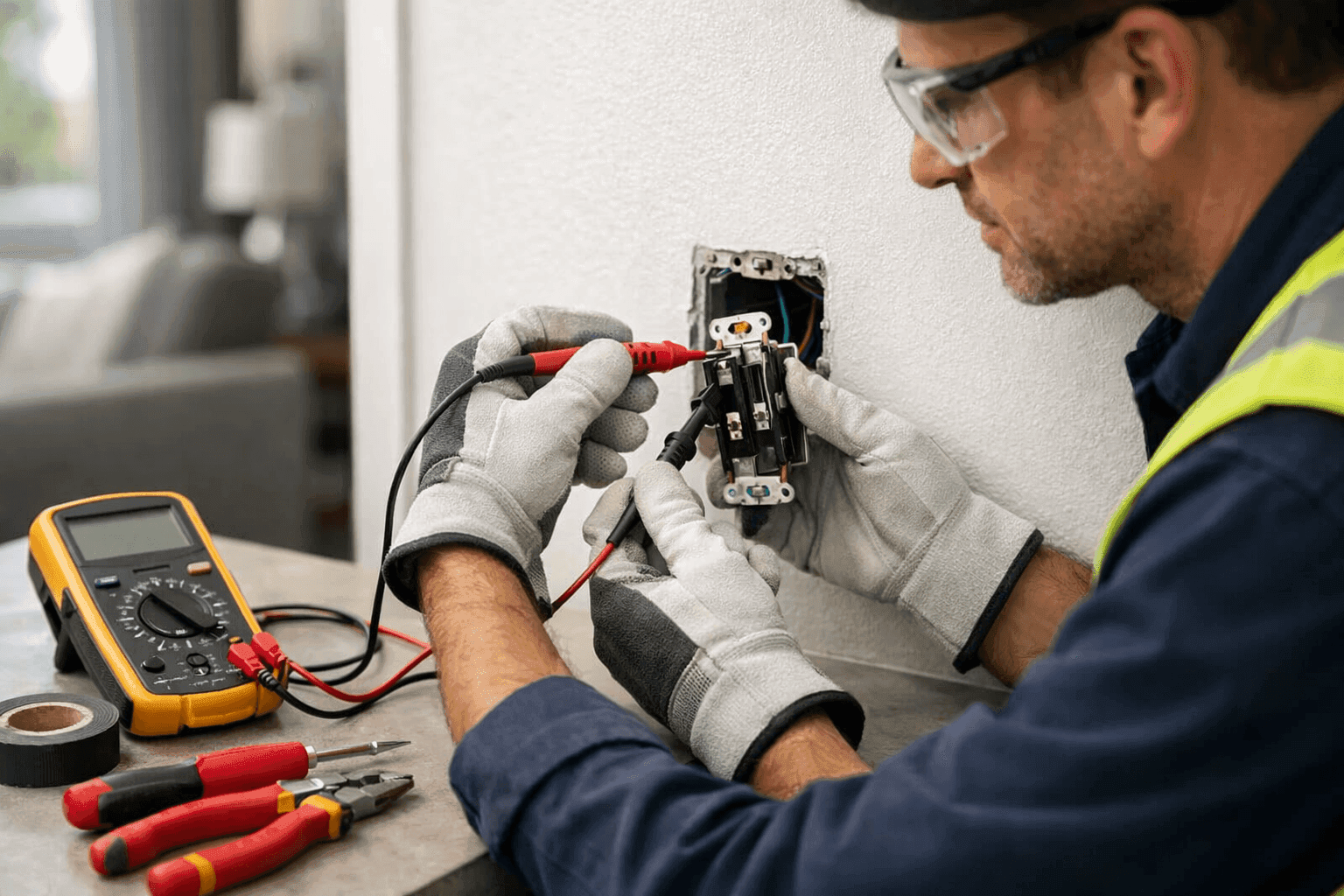
When a wall outlet suddenly goes silent, it can throw your whole routine off track. Whether it’s a kitchen coffee maker that won’t start, or a critical office device gone dark, dead outlets are more than just an inconvenience—they can be a warning sign that something’s not right behind your walls.
At LintPro Electric, we've seen it all. From the simplest fixes to the trickiest wiring mysteries, our certified electricians are here to help you spot the problem and know when it’s time to call in an electrician near you. This guide will walk you through safe steps, smart checks, and when to call for backup.
Why Outlets Go Dead: The Usual Suspects
Dead outlets rarely happen without a reason. Often, the cause is straightforward—like a tripped breaker or a ground-fault circuit interrupter (GFCI) doing its job. Other times, loose wires, aging components, or a hidden wiring issue can be at fault.
Common causes include:
- Tripped circuit breakers: Overloaded circuits shut off power to protect your wiring.
- GFCI trips: These outlets are designed to cut power when they detect a ground fault, keeping you safe from shocks.
- Loose connections: With time, wires can wiggle loose, breaking the flow of electricity.
- Burned-out or damaged outlets: Age, wear, or a single bad plug can do a number on your outlets.
- Faulty devices: Sometimes, the device is the problem—not the outlet!
Safety First: Quick Electrical Safety Checklist ⚡
Before you do anything, stop and make sure you’re not risking a shock or fire. Electricity is invisible but powerful—think of it as a fast-flowing river you don’t want to cross unprepared.
- Never touch exposed wires or terminals.
- Turn off appliances plugged into the dead outlet.
- If you need to check the breaker box, stand on a dry surface and use one hand.
- If you see sparks, smell burning, or the outlet feels hot, stop and call an electrician immediately.
The National Fire Protection Association (NFPA) and local code authorities stress the importance of safety when working with electrical systems.
Step-by-Step: How to Check a Dead Outlet
You don’t need a toolbox full of gadgets to start troubleshooting. Sometimes common sense—and a little patience—goes a long way.
- Test the outlet with another device. Plug in a lamp or phone charger to confirm it’s not the appliance at fault.
- Check nearby outlets. If several are out, you may have a tripped breaker or larger issue.
- Look for a reset button. GFCI outlets have “Test” and “Reset” buttons. Press “Reset” firmly.
- Visit your breaker panel. Flip any tripped breaker fully off, then back on.
- Inspect for signs of damage. Scorch marks, cracks, or odors mean it’s time to call a pro.
If at any point you feel uncertain, stop. Electricity isn’t forgiving.
How to Reset a Tripped Breaker or GFCI
Picture your breaker box as the heart of your home’s electrical system. Sometimes, a simple reset is all it takes.
To reset a breaker:
- Find your panel (usually in the garage, basement, or utility room).
- Look for switches that aren’t lined up with the rest.
- Push to “Off,” then firmly to “On.”
To reset a GFCI outlet:
- Press the “Reset” button.
- If it won’t reset or keeps tripping, there’s a deeper issue.
The U.S. Consumer Product Safety Commission recommends regular testing of GFCI outlets for continued protection.
When You Should Call a Professional Electrician
Not every outlet problem is a DIY fix. Some issues hide in the walls, waiting to cause bigger trouble.
Call LintPro Electric if you notice:
- Repeated tripping breakers or GFCIs
- Outlets that feel warm, buzz, or spark
- Visible damage, burning smells, or smoke
- Dead outlets after storms or flooding
- A pattern of outlets going out in one area
Your peace of mind—and safety—comes first. Our certified electricians are trained to handle everything from fault-finding to full electrical repairs.
Common Repair Options for Dead Outlets
When you bring in an electrician, here’s what might happen:
- Tightening or replacing loose wires: Secure connections restore safe power.
- Replacing damaged outlets or switches: Faulty hardware is swapped out.
- Upgrading old wiring: Especially in older homes, worn wires get replaced for safety.
- Circuit breaker or panel upgrades: Sometimes, your system needs a boost to handle modern loads.
- GFCI installation or replacement: For kitchens, bathrooms, or outdoor outlets.
Every repair is done to code and with safety as the top priority.
Signs It’s More Than Just an Outlet
Sometimes, a dead outlet is the canary in the coal mine. Watch for these red flags:
- Flickering lights elsewhere in the home
- Appliances losing power or resetting
- Burning odors or discoloration on outlets or walls
- Buzzing sounds or vibration behind the outlet
If you spot these, you might have a broader wiring or panel issue. This is no time for guesswork—call a professional.
Preventing Dead Outlets: Maintenance Tips
A little prevention goes a long way:
- Don’t overload outlets with too many devices.
- Regularly test GFCI outlets (monthly is best).
- Schedule Outlets & Switches for peace of mind.
- Replace old or loose plugs and cords.
- Watch for warning signs—like frequent tripping or flickering.
The Electrical Safety Foundation International (ESFI) recommends annual checks for all critical outlets and circuits.
DIY or Call for Help? Knowing Your Limits 🛠️
Trying to fix an outlet is like untangling holiday lights—sometimes it’s easy, other times it’s a frustrating puzzle.
- DIY is OK: Testing with a lamp, resetting GFCIs, checking the breaker.
- Call an electrician: Any time you face repeated problems, visible damage, or uncertainty.
Electrical work is regulated for a reason. Certified electricians know the codes and safety rules that keep your home or business protected.
What an Electrician Does on Arrival
When you call LintPro Electric, here’s what to expect:
- A safety assessment to ensure no immediate hazards
- Testing with professional meters and tools
- Inspection of wiring, outlets, and breaker panels
- Clear explanation of the problem and repair options
- Repairs or upgrades completed to meet current electrical code
You’ll get answers, not guesswork. We’re here to solve the mystery and keep your power flowing.
How Long Does It Take? Typical Costs and Timeline
Most dead outlet repairs take under an hour for a trained electrician. More complex issues—like rewiring or panel repairs—can take longer.
Factors that affect time and cost:
- Age and condition of wiring
- Number of outlets affected
- Accessibility (behind furniture, inside walls)
- Need for parts or upgrades
LintPro Electric provides transparent pricing and minimal disruption, so you’re back to normal fast.
When Is It an Electrical Emergency? 🚨
Some situations can’t wait:
- A burning smell from the outlet or panel
- Sparks, smoke, or visible fire
- Loss of power to critical appliances (medical devices, refrigerators)
- Flooded outlets or wiring after water exposure
If you’re facing a true emergency, leave the area and call for help right away. Fast action can prevent a small problem from becoming a disaster.
Seasonal Tips: Outlets in Summer and Winter
Changing weather brings new challenges:
- Summer: Outdoor outlets face rain, sprinkler spray, or pool equipment overloads.
- Winter: Heaters and holiday lights strain circuits, increasing risk of overload.
Regular checks keep your home or business safe, no matter the season.
Frequently Asked Questions About Dead Outlets
Q: Can I just replace an old outlet myself?
A: It’s possible, but only if you’re comfortable working with electricity and you always turn off the breaker. If you’re unsure, call a licensed electrician.
Q: Why do my outlets keep going dead?
A: Frequent problems usually mean a wiring or breaker issue. A professional inspection is the safest bet.
Q: Are dead outlets dangerous?
A: They can be. Sometimes the issue is minor, but other times it’s a sign of overheating or fire risk.
Common Mistakes to Avoid
- Ignoring a dead outlet (“It’ll fix itself!”)
- Using extension cords as a permanent solution
- Overloading circuits with power strips
- Attempting repairs without turning off the breaker
- Skipping routine safety checks
Remember: electrical safety is like brushing your teeth. Small habits, big impact.
Dead Outlets? LintPro Electric Can Help
Don’t let a dead outlet disrupt your day or risk your safety. Our team handles everything from repairs to upgrades and safety inspections. If you’re looking for trusted electrician specialists in Tempe, check out our electrician services in Tempe.
Call LintPro Electric now — or reach us anytime at 844-484-8656 .