Electrical Panel Safety: What Every Owner Needs to Know
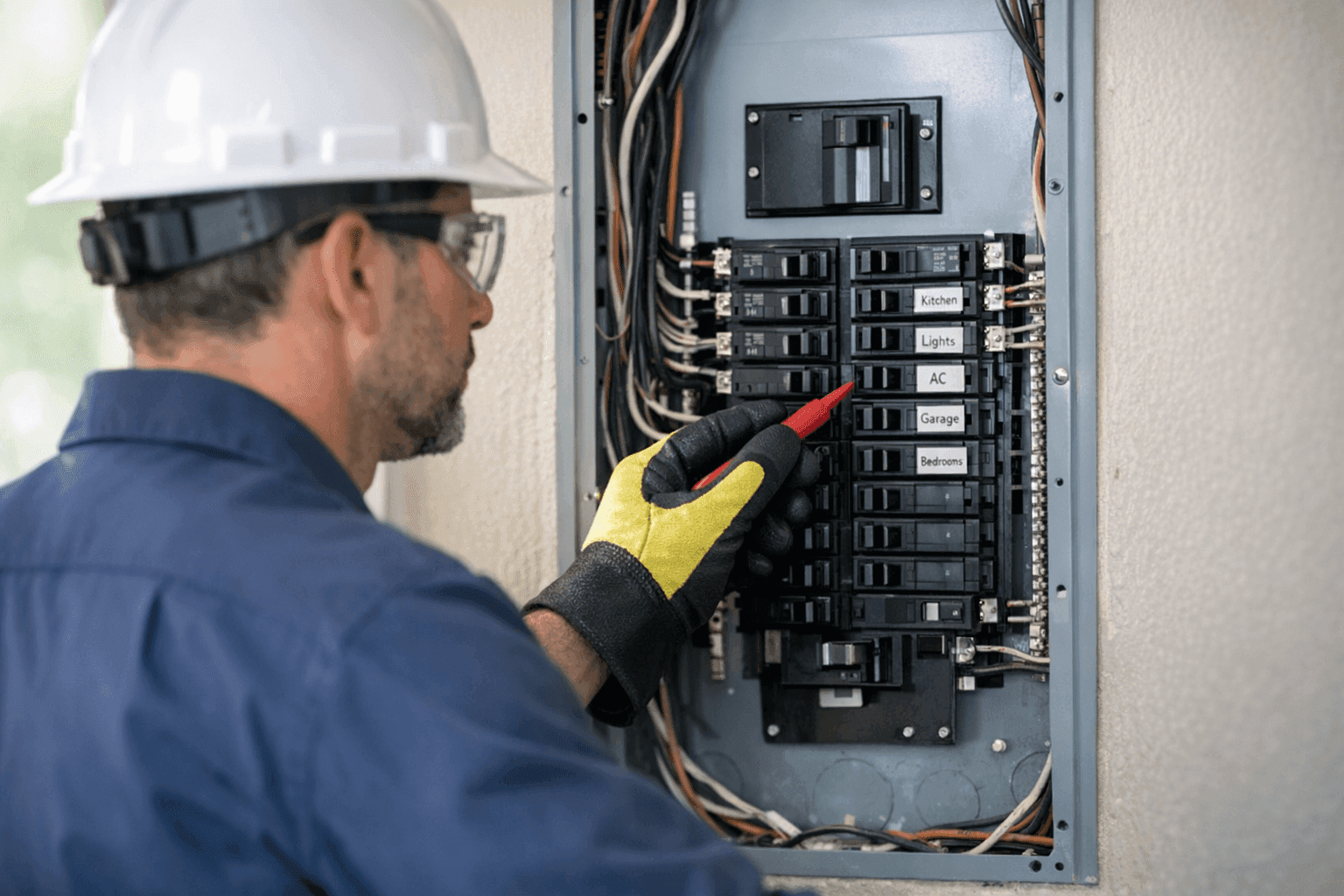
Electric panels are the silent sentinels of your home or business. Most days, you don’t even notice them. But if something goes wrong, they become the center of attention—and fast. Keeping your panel safe isn’t just a box to check. It’s a way to protect everything, and everyone, under your roof.
At LintPro Electric, we know that electrical panels aren’t just hardware. They’re the heartbeat of your building’s electrical system. That’s why every property owner—residential or commercial—should understand the basics, spot trouble early, and know when to call an electrician.
Why Electrical Panel Safety Matters
Your electrical panel is like the brain of your property’s wiring. If it’s working right, everything hums along. If it’s not, you risk power loss, shock, or even fire. According to the National Fire Protection Association (NFPA), electrical faults are a leading cause of structure fires. That’s why safety starts at your panel.
Keep It Clear: Accessibility is Key 🚪
Ever tried to find your panel in a pinch—maybe during a blackout? It should be easy to reach, with at least three feet of clear space in front. Don’t pile boxes, coats, or holiday decorations in the way. If fire crews or electricians need to act fast, every second counts.
- Never block the panel with furniture or shelving
- Avoid storing flammable items nearby
- Make sure the panel door opens fully and easily
Quick Panel Safety Checklist
Not sure if your panel is safe? Start here:
- Is the panel cover secure and undamaged?
- Are breakers labeled clearly?
- Do you see rust, scorching, or melted plastic?
- Any buzzing, crackling, or burning smells?
If you answered “yes” to any of the last three, it’s time to call a pro.
Inspecting Your Electrical Panel—What to Look For
Routine checks—done safely—can help you spot issues before they become disasters.
- Visual scan: Look for signs of water leaks, rust, or corrosion.
- Listen: Any strange sounds? Crackling, buzzing, or popping aren’t normal.
- Touch: Is the panel hot to the touch? That’s a red flag.
- Label check: Are all breakers labeled? More on this below.
Always keep your hands dry, wear rubber-soled shoes, and never open the panel’s dead front (the metal cover inside). Leave that to a licensed electrician.
Labeling and Documentation: Your Roadmap in a Crisis
Imagine a sudden blackout. Would you know which breaker controls your kitchen? Proper labels are more than a convenience—they’re a safety tool.
- Label each breaker with its room or appliance (e.g., “Kitchen Outlets,” “AC Unit”)
- Use a permanent marker or pre-printed labels
- Keep a printed circuit directory near the panel
- Update labels after renovations or rewiring
Accurate labeling helps first responders, electricians, and even you during emergencies or repairs.
Signs It’s Time to Call an Electrician
Panels don’t last forever. If you spot any of these, don’t wait:
- Frequent breaker trips or blown fuses
- Flickering or dimming lights throughout the building
- A burning smell near the panel
- Visible scorch marks or melted plastic
- Breakers that won’t reset or feel loose
For urgent issues, don’t delay. Contact a licensed electrician for Safety Checks or Electrical Safety Inspections.
When to Upgrade Your Electrical Panel
Old panels are like worn-out shoes—they might still function, but they’re a risk. Upgrade if:
- Your panel is over 25–30 years old
- You still have fuses instead of breakers
- You’re adding high-demand appliances (EV chargers, HVAC, etc.)
- Lights dim when you run major appliances
- The panel feels warm or overloaded
Modern panels support today’s technology and offer better protection from overloads or surges.
The Professional Touch: What Licensed Electricians Do
When you call LintPro Electric, our team doesn’t just glance at your panel. We:
- Inspect for code compliance (following NEC, NFPA 70)
- Test breaker function and load
- Check for overheating, corrosion, faulty wiring
- Verify proper labeling and documentation
- Assess capacity for future upgrades
We’re fully licensed and trained for all aspects of panels and breakers. That means you get peace of mind, from inspection to installation and emergency service.
DIY or Leave It to the Pros?
Resetting a tripped breaker is one thing. But opening the panel, replacing breakers, or rewiring? That’s a job for a licensed electrician. High-voltage currents can cause injury or worse in seconds. Electrical panel work is governed by strict codes for a reason—your safety.
Emergency Situations: When Every Second Counts 🚨
If you smell burning, see smoke, or hear loud popping from your panel, don’t wait. Turn off the main breaker if it’s safe, evacuate, and call emergency services. Then, contact an electrician. Fast action can save lives and property.
Preventing Trouble: Routine Maintenance and Safety Checks
- Schedule annual electrical safety inspections
- Test your breakers monthly (flip them off/on)
- Keep the area dry and free of pests
- Upgrade surge protection for sensitive electronics
- Replace outdated panels or breakers
Regular maintenance isn’t just a task—it’s your best defense against costly, dangerous failures.
Common Mistakes That Can Cost You
- Covering the panel with furniture or decor
- Ignoring frequent breaker trips
- Skipping professional inspections
- Using extension cords as a permanent fix
- DIY repairs without proper training
Don’t gamble with electrical safety. What seems minor can quickly become major.
Code Compliance: Why It Matters
The National Electrical Code (NEC) and local building codes exist to keep you and your property safe. Panels must be installed, maintained, and upgraded according to these standards. Ignoring code can void insurance, cause failed home sales, and—most importantly—put lives at risk.
Timeline & Disruption: What to Expect with Panel Work
Most panel inspections take less than an hour. Upgrades or replacements usually run half a day to a full day, depending on complexity. Yes, there will be a period with the power off. Our team works efficiently to minimize downtime and restore your routine quickly.
Equipment & Materials: What Pros Use
Licensed electricians use:
- Voltage testers and multimeters
- High-quality breakers and panels (UL-listed)
- Insulated tools and safety gear
- Proper labeling materials
Cutting corners with cheap or off-brand parts is never worth the risk.
Seasonal Considerations: Staying Safe Year-Round
- After heavy storms or flooding, check for water intrusion at your panel
- In hot weather, make sure the panel isn’t overheating
- Before winter, schedule a safety check—especially if using space heaters or holiday lights
Proactive care keeps your system running safely, no matter the season.
Frequently Asked Questions
Q: Is it normal for a panel to make noise?
A: No. Humming, buzzing, or crackling means something’s wrong. Call an electrician.
Q: How often should I have my panel inspected?
A: At least once every three years for homes, annually for businesses—or any time you notice problems.
Q: Can I label the breakers myself?
A: Yes, but always double-check with an electrician if you’re unsure which breaker controls what.
Your Next Step Toward a Safer Property
Electrical panel safety isn’t just about avoiding inconvenience—it’s about protecting your family, your employees, and your investment. For Panels & Breakers support, inspections, and upgrades, LintPro Electric is the electrician company you can count on.
Call LintPro Electric now — or reach us anytime at 844-484-8656 .