Electrical Panel Upgrades: When and Why You Need One
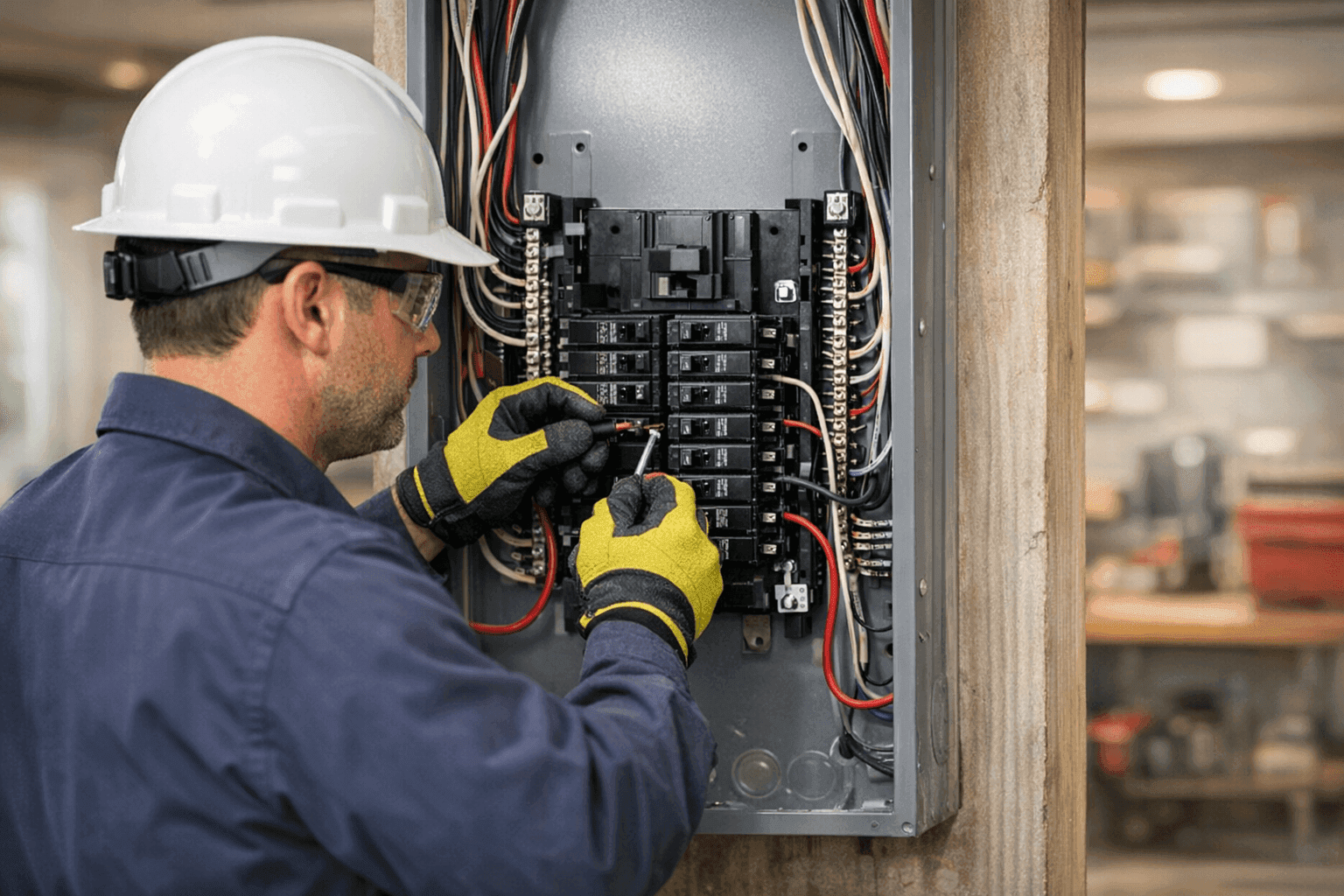
Is your home’s heart beating fast enough? The electrical panel is the nerve center of your property’s power, quietly running everything from your fridge to your laptop. But as we plug in more and more—charging electric cars, streaming movies, running smart gadgets—older panels can start to groan under the pressure.
At LintPro Electric, we’ve seen it all. When panels fall behind, risks go up: flickering lights, tripped breakers, even fire hazards. Whether you’re a homeowner or running a business, understanding when and why to upgrade is more than smart—it’s essential.
The Electrical Panel: Your Home’s Power Traffic Controller
Think of your panel as an air traffic controller. It directs electricity safely to every room, device, and appliance. But just like airports need upgrades to handle more flights, your panel might need one to keep up with modern living.
Old panels weren’t designed for today’s loads. Adding a new appliance or setting up a home office? That extra draw can overwhelm dated systems. The result: overloaded circuits, nuisance tripping, or worse.
Signs You Need an Upgrade ⚡
How do you know your electrical panel is waving a white flag? Watch for these warning signs:
- Lights that dim or flicker when big appliances kick on.
- Breakers that trip often or won’t reset.
- Outlets that feel warm or look discolored.
- You use lots of extension cords or power strips.
- Installing new high-demand devices (EV chargers, HVAC, hot tubs).
- The panel is older than 25 years or still uses fuses.
If any of these sound familiar, it’s time to call an electrician—not just for convenience, but for safety.
Quick Safety Checklist: Is Your Panel Up to Code?
Safety codes change. Your panel should keep up. Ask yourself:
- Is your panel labeled and easy to access?
- Are there any signs of rust, corrosion, or buzzing sounds?
- Do you see any double-tapped breakers (two wires under one screw)?
- Is the main breaker easily reachable in an emergency?
If you’re unsure, the National Fire Protection Association (NFPA) and the Electrical Safety Foundation International (ESFI) both recommend regular inspections. An outdated panel isn’t just an inconvenience—it can void insurance or fail an inspection if you sell your property.
Why Upgrading Matters: More Than Just Convenience
Upgrading your panel isn’t about keeping up with the Joneses. It’s about:
- Fire Prevention: Old panels can overheat, arc, and spark.
- Equipment Protection: Sensitive electronics need stable power.
- Insurance Compliance: Insurers may deny claims on homes with obsolete panels.
- Peace of Mind: Know your family or business is protected.
Flickering Lights and Tripped Breakers: Not Just Annoying
If your lights blink when the microwave runs, your panel is trying to tell you something. Tripped breakers are the panel’s way of saying “enough!”—but if it happens often, the issue is likely capacity, not a faulty appliance.
Ignoring these early warnings can lead to bigger problems, from burnt outlets to electrical fires. The U.S. Consumer Product Safety Commission (CPSC) notes that outdated wiring and panels are a leading cause of home electrical fires.
New Appliances, Old Panel? A Recipe for Trouble
Modern kitchens, EV chargers, home spas—these demand more power. A panel from the 1980s wasn’t designed for them. Before installing anything new, have an electrician check your panel’s capacity. Upgrading prevents overloaded circuits and ensures your investment is protected.
What Happens During an Electrical Panel Upgrade?
Curious about the process? Here’s what to expect:
- Assessment: A licensed electrician inspects your current system, calculates your power needs, and discusses your plans.
- Permitting: All upgrades require a permit and city inspection (following National Electrical Code standards).
- Shutdown: Power is turned off for safety.
- Removal and Install: The old panel is removed. A new, larger-capacity panel is installed, with updated breakers and labeling.
- Testing: Every circuit is tested. The panel is grounded, bonded, and brought up to code.
- Inspection: A city or county inspector approves the work before power is restored.
Most upgrades take one day, but complex projects can stretch longer—especially if rewiring is needed.
Safety and Code Compliance: No Shortcuts
Upgrading your panel isn’t a DIY job. It takes training, knowledge, and adherence to strict codes. The National Electrical Code (NEC) sets the standards, and insurance companies expect compliance.
A licensed electrician ensures:
- Proper wire sizing and connections
- Correct breaker types for each circuit
- GFCI and AFCI protection where required
- Clear, accurate labeling for emergencies
At LintPro Electric, our team stays updated on the latest regulations, so you’re never left guessing.
Insurance, Warranties, and Your Peace of Mind
Here’s a fact many don’t know: Insurance companies can deny claims for electrical fires in homes with outdated or unsafe panels. Appliance manufacturers may void warranties if the power supply isn’t stable.
Upgrading your panel protects your investment and keeps you in good standing with insurers and manufacturers alike.
The Cost of Waiting: Why Delaying Can Be Expensive
Some homeowners put off upgrades due to cost. But the price of waiting can be much higher:
- Emergency repairs after a panel failure
- Damage to appliances and electronics
- Insurance premium hikes or denied claims
- Downtime for businesses
A proactive upgrade is an investment, not just an expense.
DIY vs. Professional Panel Upgrades
It’s tempting to tackle home projects yourself. But panels are not for amateurs. Mistakes can cause shocks, fires, or even void your homeowner’s insurance.
Always hire a licensed electrician. They’ll pull the right permits, follow code, and guarantee safe, reliable power. For Panels & Breakers, it’s worth the call.
Timeline and Disruption: What to Expect
Most panel upgrades take about one business day. Power will be off during the work, so plan accordingly:
- Save your work on computers.
- Unplug sensitive electronics.
- Arrange for alternative power if needed (especially for essential medical equipment).
Your electrician will coordinate permits and inspections for a smooth process.
Prevention and Maintenance: Keep Your System Strong
Once your new panel is in, don’t forget about routine maintenance:
- Schedule annual electrical safety inspections.
- Test breakers regularly.
- Keep the area around your panel clear for easy access.
Consider surge protection to guard against power spikes. Ask your electrician about options for your home or business.
Common Mistakes to Avoid
- Ignoring small warning signs (warm outlets, tripped breakers)
- Overloading circuits with too many devices
- Attempting DIY repairs or upgrades
- Neglecting routine inspections
A little vigilance goes a long way.
Frequently Asked Questions
How often should I upgrade my electrical panel?
Most panels last 25–40 years, but upgrades may be needed sooner with increased power demands or after major renovations.
What size panel do I need?
It depends on your property and usage. Most homes need at least 200 amps. Businesses or homes with EV chargers may require more.
Can I add new circuits to my old panel?
Only if there’s capacity—and it’s up to code. An electrician can advise what’s safe.
When It’s an Emergency
If you smell burning, see sparks, or your panel is hot to the touch, turn off the main breaker and call for help immediately. Don’t wait. Your safety comes first.
LintPro Electric: Your Partner for Reliable Power
From Low Voltage Systems near you to advanced Electrical System Installation, LintPro Electric is ready to help. We handle everything from routine repairs to complete panel upgrades for homes and businesses.
Whether you need a quick check or a full upgrade, our electricians deliver service you can count on. Want to talk about your panel—or any other electrical concern? We’re here, day or night.
Call LintPro Electric now — or reach us anytime at 844-484-8656 .