Electrical Safety for DIYers: What Not to Touch
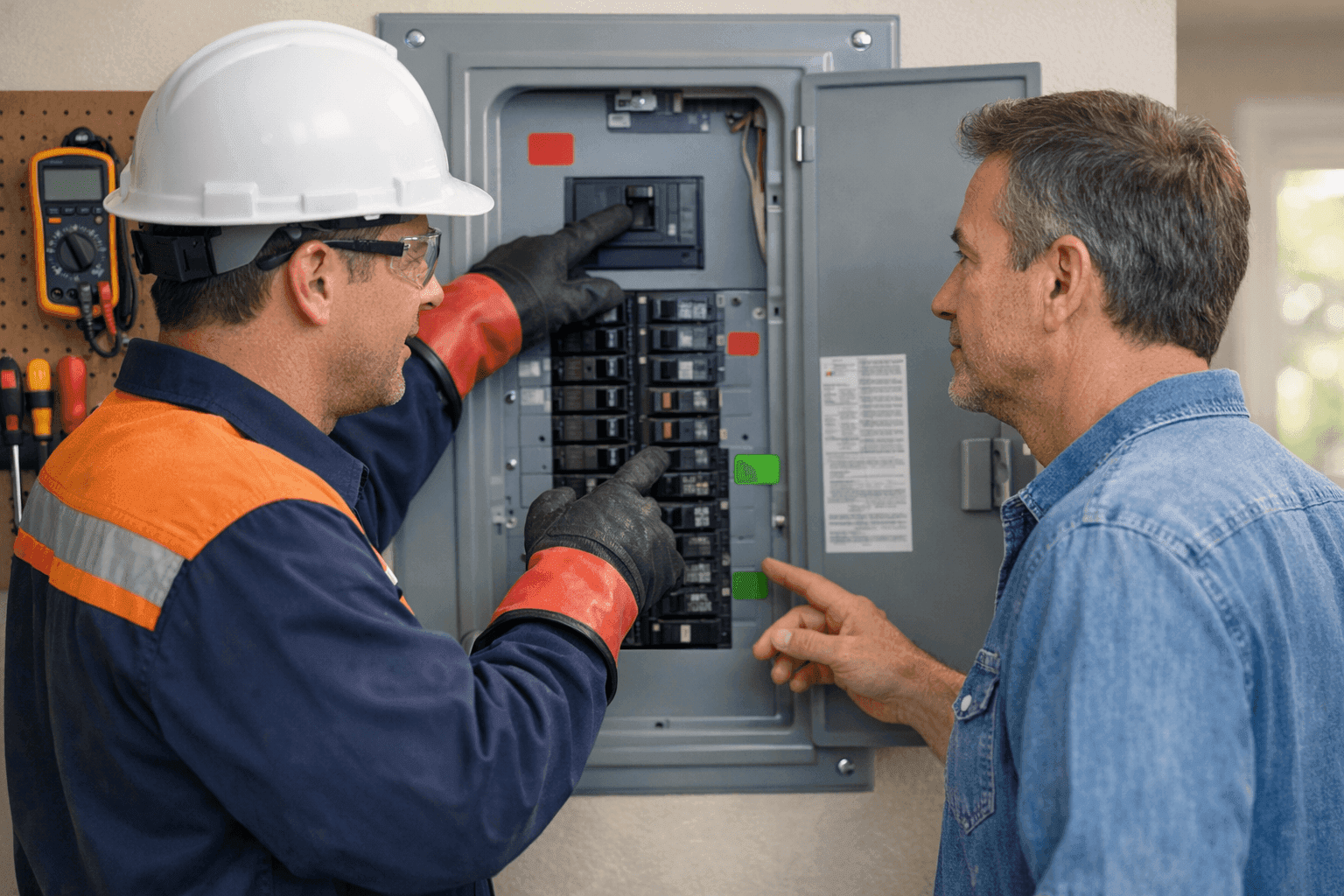
Thinking of DIY Electrical Work? Read This First
We get it. The light flickers, an outlet sparks, or you just want to swap in that new fixture. Grabbing a screwdriver feels easier than waiting for an appointment. But when it comes to electricity, even small mistakes have big consequences.
At LintPro Electric, we help homeowners and businesses keep their wiring—and their loved ones—safe. Before you take things into your own hands, here’s what every DIYer needs to know.
The Main Dangers: What Should Never Be Touched
Not all electrical jobs are created equal. Some are safe for a confident DIYer, but others should never be attempted without a licensed electrician.
Three electrical hazards you should never mess with:
- Panels and Breaker Boxes: These are the “heart” of your home’s electrical system. One wrong move inside, and you risk arc flashes, burns, or worse.
- Live Wires: Electricity doesn’t stop just because you can’t see it. Even a wire you think is off can be deadly.
- Old or Unknown Wiring: Homes built before the 1980s often hide dangerous surprises—crumbling insulation, aluminum wiring, or mystery circuits.
When in doubt, don’t touch. Some jobs are simply not worth the risk.
DIY vs. Call a Pro: Where’s the Line?
Changing a lightbulb? Go for it. Replacing a fixture or outlet cover—maybe, with care. But:
- Installing new circuits
- Upgrading panels
- Rewiring rooms
- Anything near water (bathrooms, kitchens, pools)
These are jobs for someone trained and certified. If it’s more than a simple swap, pause and call for help.
Personal Protective Equipment (PPE): Gear Up, Stay Safe ⚡
Working with electricity demands respect. Always wear:
- Insulated gloves rated for electrical work
- Safety goggles (protect those eyes!)
- Rubber-soled shoes
- Avoid metal ladders and jewelry
You wouldn’t mow the lawn barefoot. Don’t handle wiring without the right protection.
Always Shut Off Power—But Don’t Assume It’s Off
The most basic rule: Turn off the power. Flip the breaker before doing anything. But even with the breaker off, double-check with a voltage tester. Some circuits are mislabeled, or power can “backfeed” from another source.
If you’re unsure which breaker controls the circuit, or can’t identify all wires, leave it to a professional.
Code Compliance: It’s More Than a Suggestion
Electrical codes exist to keep people safe. They’re based on decades of real-world injuries and fires. The National Electrical Code (NEC) sets strict standards for:
- Wire types and sizes
- Outlet placement
- GFCI and AFCI protection
- Grounding and bonding
DIY mistakes might not show up right away—but they can cause failed inspections, insurance problems, or hidden fire hazards. If you’re not 100% sure your work is legal, get it checked.
Quick Safety Checklist for DIYers
Before you touch anything, ask yourself:
- Do I know exactly what this circuit does?
- Is the power off—and have I tested it?
- Am I wearing proper PPE?
- Is this task allowed by code for a homeowner?
- Do I have the right tools?
- Could a mistake here put my family (or tenants) at risk?
If you answer “no” to any of these, stop and call an electrician.
Red Flags: Signs You Need Professional Help
Sometimes, the warning signs are obvious. Sometimes, they’re subtle. Here’s when to call LintPro Electric right away:
- Repeated tripped breakers or blown fuses
- Flickering lights (not just a bulb issue)
- Warm or discolored outlets/switches
- Buzzing, sizzling, or burning smells
- Rodents or water damage near wiring
- Shocks from switches or appliances
These are signals of deeper problems, not just annoyances.
Common DIY Mistakes That Lead to Trouble
Even careful DIYers can fall into these traps:
- Mislabeling breaker panels
- Using the wrong wire gauge
- Forgetting grounding connections
- Overloading circuits with too many devices
- Hiding junction boxes behind drywall
What seems like a shortcut now can become a nightmare later.
What Pros Do When They Arrive
A licensed electrician starts with a full safety check. We use specialized testers, review your panel, and look for hidden issues. Our team follows the latest code updates, uses professional-grade PPE, and never cuts corners.
We can handle everything from safety checks to electrical safety inspections and repairs. That means peace of mind for you—no guesswork, no surprises.
Prevention and Maintenance: Staying Ahead of Problems
The best way to avoid shocks, fires, or outages? Regular maintenance. Schedule annual inspections, especially for:
- Older homes (built before 1980)
- Homes with recent renovations or new appliances
- Rental properties or commercial buildings
A quick visit can spot issues before they become emergencies.
When It’s an Emergency: Don’t Wait
If you see sparks, smell burning, or lose power to critical systems (medical equipment, refrigeration, heating), call for emergency service right away. Don’t try to fix it yourself. Lives and property are at stake.
Timeline and Disruption: What to Expect
DIY jobs can drag on for days (or weeks) if things go wrong. Professional repairs are faster and more reliable. We work clean, keep disruptions minimal, and explain every step so you’re never in the dark.
Electrical Safety Through the Seasons
Storms, heat, and cold all affect your wiring. After a major weather event, always check for:
- Downed power lines outside
- Water leaks near panels or outlets
- Flickering or dimming lights
Seasonal checkups help prevent surprise outages.
The Cost of Getting It Wrong
Electrical mistakes can cost more than money. Fires, injuries, or failed inspections are real risks. Insurance may not cover DIY errors. Save time, stress, and risk by calling in the right help from the start.
FAQ: Your Electrical Safety Questions Answered
Can I replace a light switch myself? Sometimes. If you’re confident, the circuit is off, and you know the wiring layout. But older homes or three-way switches can be tricky.
Is it safe to work on outlets in the kitchen or bath? Only if you know about GFCI protection and local code. Water adds a whole new layer of risk.
How do I know if my home is properly grounded? If in doubt, schedule a professional inspection. Proper grounding is essential for safety.
Why Choose LintPro Electric?
We bring decades of experience, up-to-date code knowledge, and a commitment to your safety. Whether you need routine maintenance, upgrades, or urgent help, our team is ready 24/7. Looking for an electrician you can trust? We’re here to help—day or night.
Call LintPro Electric now — or reach us anytime at 844-484-8656 .