Electrical Safety Tips Every Business Owner Should Know
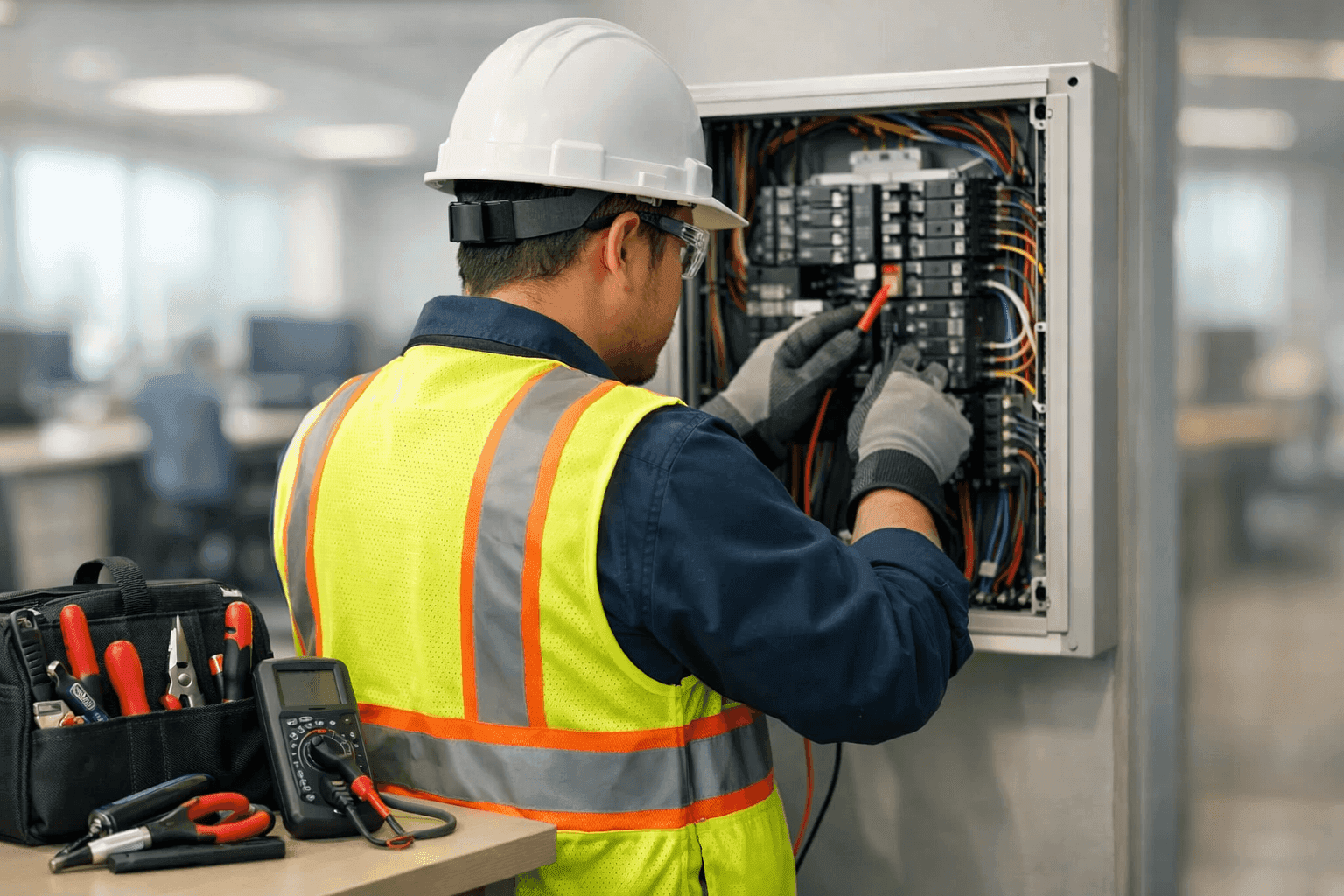
Every business runs on electricity—even if it’s just the lights, computers, or a single espresso maker humming away in the break room. But behind every flick of a switch, there’s a real risk. Small mistakes can lead to big problems. Fires. Equipment failures. Costly shutdowns. At LintPro Electric, we understand the unique challenges business owners face and know how to keep the lights on safely.
No matter your industry—retail, industrial, or office space—electrical safety isn’t just a box to check. It’s the backbone of your daily operations. Let’s look at the essentials every business owner should know to protect people, property, and peace of mind.
Key Electrical Hazards in Commercial Spaces ⚡
Electrical hazards are silent, but their consequences are loud. Offices, retail shops, and warehouses all face different risks.
- Overloaded Circuits: Too many devices plugged in? Circuit breakers trip for a reason. Overloading can spark fires or fry equipment.
- Worn-Out Wiring: Old wires are like frayed shoelaces—one bad pull and the whole thing snaps. Aging insulation or DIY repairs create hidden dangers.
- Water and Electricity: Kitchens, restrooms, and outdoor outlets are high-risk zones. Even a small leak can turn an outlet into a hazard.
- Improper Use of Extension Cords: Temporary fixes become “forever” solutions, but cords under rugs or across walkways are trip and fire hazards.
- Faulty Equipment: Malfunctioning machines or lighting can send shocks or overheat.
In industrial settings, risks climb higher: exposed conductors, high-voltage systems, and heavy machinery mean more than a tripped breaker—they mean real danger.
Employee Training and Safe Practices 🧑🏫
Think of training as your safety net. It’s not just about what your team knows, but how they act when it matters.
- Basic Awareness: Teach staff where breaker panels are, how to spot frayed wires, and the right way to unplug equipment.
- Clear Signage: Label panels, emergency shut-offs, and high-voltage areas. A few seconds saved in a crisis can make all the difference.
- Personal Protective Equipment: In industrial or maintenance settings, gloves and insulated tools are a must.
- Reporting Hazards: Create a culture where reporting loose wires or flickering lights is encouraged, not ignored.
Regular refreshers—once a year or when new equipment arrives—keep everyone sharp.
Importance of Regular Safety Checks
Think of your electrical system like a car. You wouldn’t skip oil changes for years. Regular checks keep your business running smoothly.
- Monthly Visual Checks: Walk through and look for signs of trouble—burn marks, strange smells, or buzzing outlets.
- Annual Professional Inspections: Hire a licensed electrician for a deep dive. Issues like overheating panels or hidden water damage aren’t always obvious, but they’re dangerous.
- After Major Changes: Renovations, new machinery, or updated lighting? Have your system inspected to ensure it can handle the load.
Routine Safety Checks and Electrical Safety Inspections are more than a to-do list—they’re your insurance policy against disaster.
Electrical Risks in Offices, Retail, and Industrial Settings
Every environment has its quirks.
- Offices: Power strips under desks, computers daisy-chained together, and coffee makers sharing outlets. Watch for overloaded circuits and tangled cords.
- Retail: Lighting displays, point-of-sale equipment, and decorative fixtures. Ensure that extension cords aren’t permanent solutions and that outdoor signs are weatherproofed.
- Industrial: High-voltage systems, machine wiring, and heavy-duty outlets. Here, lockout/tagout procedures and clearly labeled breaker panels are crucial.
No matter the space, regular maintenance and professional oversight make a world of difference.
How to Spot Trouble Early
Catching issues early can be the difference between a quick fix and a major shutdown.
- Flickering or dimming lights
- Frequent tripped breakers or blown fuses
- Hot or discolored outlets and switches
- Sparking or buzzing noises from equipment
- Burning smells—never ignore these
If you notice any of these warning signs, don’t wait. Call a licensed electrician. It’s always safer to check twice than risk an emergency.
What to Do in an Electrical Emergency 🚨
When things go wrong, panic is the enemy. Here’s how to keep your cool:
- Shut Off Power: Know where your main breaker is. Shut it off if it’s safe to do so.
- Evacuate if Needed: If there’s smoke, fire, or exposed wires, clear the area immediately.
- Never Use Water: Water and electricity never mix. If a fire starts, use a Class C fire extinguisher.
- Call the Pros: Once everyone is safe, call emergency services and your electrician.
Preparation is key. Keep emergency numbers visible and educate your staff on procedures.
Maintaining Compliance with Standards
Staying compliant isn’t just about avoiding fines—it’s about keeping people safe. The National Electrical Code (NEC) and Occupational Safety and Health Administration (OSHA) set the bar for workplace safety.
- Documentation: Keep records of all inspections, repairs, and upgrades.
- Permits and Certificates: Always obtain the right permits for electrical work.
- Up-to-Date Systems: As codes evolve, so should your wiring, panels, and devices.
A licensed electrician company ensures your business meets all current requirements, giving you confidence when inspectors come calling.
Quick Safety Checklist for Business Owners
A solid routine prevents most problems. Here’s a simple checklist you can follow:
- Inspect visible wiring and cords monthly
- Test smoke and carbon monoxide detectors
- Replace damaged outlets or switches promptly
- Avoid overloading outlets and circuits
- Schedule annual electrical safety inspections
- Keep breaker panels accessible at all times
- Ensure emergency lighting and exit signs work
Small habits, big payoffs.
DIY vs. Call a Pro
It’s tempting to grab a screwdriver and “just fix it.” But business electrical systems are complex. One wrong move can endanger lives and void insurance policies.
- DIY: Limited to changing bulbs or resetting breakers.
- Call a Pro: For wiring, circuit changes, new installations, troubleshooting, or anything behind a panel.
When in doubt, reach out to a professional electrician—especially for Low Voltage Systems near you or high-voltage work.
What Professionals Do On Arrival
Licensed electricians don’t just fix the obvious—they look for root causes.
- Inspect panels, wiring, and connected devices
- Use thermal imaging to spot overheating
- Test outlets and circuits for proper function
- Advise on upgrades or code compliance
This thorough approach keeps your system healthy and your business humming.
Prevention & Maintenance: The Lifeline of Safety
Think of maintenance as your shield. Regular checkups, timely repairs, and smart upgrades catch problems before they grow.
- Replace outdated panels and breakers
- Install surge protection for sensitive equipment
- Upgrade to energy-efficient lighting and appliances
- Maintain machine wiring and control systems
A little prevention saves a lot of money—and worry.
Costs & Time Factors for Electrical Safety
Worried about downtime or repair bills? Routine maintenance is almost always less expensive than emergency repairs or fire damage. Most inspections take just a few hours and can be scheduled to minimize disruption.
Repairs vary in cost, but ignoring issues always leads to bigger bills down the line.
When It’s an Emergency: Recognizing Urgency
Not every issue can wait. If you experience the following, call for emergency service:
- Sparking or arcing from outlets or panels
- Smell of burning plastic or insulation
- Repeated breaker trips after reset
- Power outages affecting critical systems
LintPro Electric offers 24-hour service for urgent needs.
Signs Your Electrical System Needs an Upgrade
Business growth means more devices, more load. Watch for:
- Frequent electrical “brownouts”
- Equipment running sluggishly or shutting off
- Panel feels warm or makes odd noises
A system upgrade may be due—especially if your wiring is over 20 years old.
Timeline & Disruption: What to Expect
Most routine inspections and minor repairs can be completed in one visit. Larger projects, like rewiring or panel upgrades, may require several days but can often be staged to avoid peak business hours.
Good planning keeps your operation on track.
Materials & Equipment: Invest in Quality
Use UL-listed or CSA-approved products. Cheap cables or off-brand panels may save pennies now but cost thousands later in repairs or lost productivity.
Let a qualified electrician handle installations for peace of mind.
FAQ: Common Electrical Safety Concerns
Q: How often should I schedule electrical safety inspections?
A: At least annually, or after major changes to your facility.
Q: Can old wiring cause fires?
A: Yes, outdated or damaged wiring is a leading cause of commercial fires.
Q: Do I need surge protection?
A: For sensitive equipment, yes—especially in offices and retail.
Q: What documentation should I keep?
A: Inspection reports, certificates, and records of repairs or upgrades.
Seasonal Considerations for Electrical Safety
- Winter: Heaters, holiday lighting, and wet conditions increase risks.
- Summer: Air conditioning and outdoor events put extra load on circuits.
- Storms: Backup generators keep you running, but they need maintenance too.
Plan ahead to stay safe all year.
Why Licensed Professionals Matter
Electrical safety is never a gamble. Skilled electricians understand the codes, the risks, and the best solutions for your unique needs. Whether you need Commercial Services or routine Safety Checks, partnering with a qualified team keeps your business protected.
If you’re searching for an electrician contractor or want to learn more about Electrical Safety Inspections in the Charleston area, see our Electrician Services.
Electrical safety isn’t something to take lightly. Protect your business, your team, and your reputation with regular inspections, smart habits, and help from the professionals at LintPro Electric.
Call LintPro Electric now — or reach us anytime at 844-484-8656 .