Electrical System Maintenance for Businesses: Best Practices
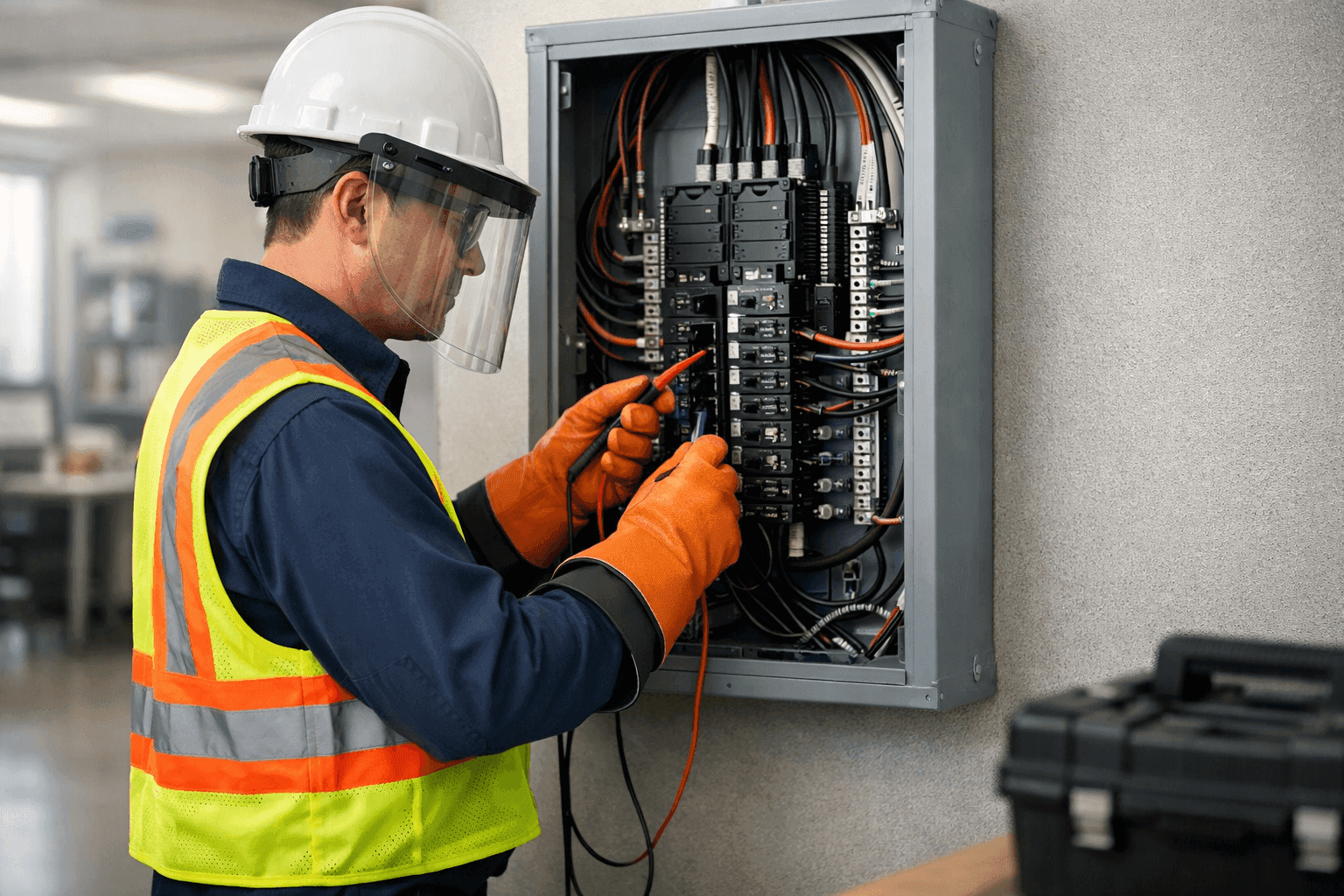
Every business relies on electricity, whether it’s a bustling restaurant, a quiet office, or a busy warehouse. But when lights flicker or breakers trip, daily operations grind to a halt—and that can mean lost revenue, frustrated staff, and unhappy customers.
LintPro Electric understands how critical a safe, reliable electrical system is. That's why we guide businesses through maintenance routines that prevent headaches and keep everything humming along.
Why Regular Electrical Maintenance Matters
Think of your building’s electrical system like the circulatory system in the human body. One blockage—or a minor fault—can cause a cascade of problems. Here’s why regular maintenance is not just a good idea, but essential:
- Downtime Prevention: Unplanned outages can cost thousands in lost productivity and sales.
- Code Compliance: Local and national codes require regular inspections and updates. The National Electrical Code (NEC) sets standards every business must follow.
- Insurance Requirements: Many insurers require proof of regular electrical safety checks before they’ll pay out for claims.
- Fire Risk Reduction: Faulty wiring is a leading cause of commercial fires, according to the National Fire Protection Association.
- Equipment Longevity: Well-maintained systems reduce wear-and-tear on machinery and electronics.
What’s Included in a Business Electrical Maintenance Visit
A professional electrician's maintenance visit is more than a quick once-over. Here’s what you should expect:
- Visual Checks: Inspecting for obvious wear, discoloration, or overheating.
- Panel & Breaker Testing: Making sure breakers trip as intended, checking for corrosion or loose connections.
- Outlet & Switch Testing: Ensuring outlets are properly grounded and switches operate safely.
- Lighting & Emergency Systems: Verifying exit signs, emergency lighting, and main lighting circuits.
- Low Voltage Systems: Examining phone, data cabling, and intercoms for performance and safety.
- Equipment & Appliance Inspection: Checking for correct load, proper wiring, and signs of trouble.
- Surge Protection & Backup Generators: Assessing protection devices and generator readiness.
- Safety Devices: Testing smoke and carbon monoxide detectors, GFCIs, and AFCIs.
Early Warning Signs: What to Watch For
Don’t wait for a full outage before calling in the pros. Watch for these warning signs:
- Flickering or dimming lights
- Sparking outlets or switches
- Burning smells near electrical panels
- Warm or discolored wall plates
- Frequent breaker trips
- Unusual buzzing or humming sounds
If you spot any of these, contact an electrician immediately.
The Hidden Cost of Neglecting Maintenance
It’s tempting to put off inspections when everything “seems” fine. But like a leak under the sink, unseen electrical issues grow silently. Over time, neglected systems can:
- Cause costly equipment damage
- Lead to expensive emergency repairs
- Result in failed safety audits or code violations
- Increase insurance premiums—or void coverage
Building a Maintenance Schedule That Works
Every building is different, but most commercial properties should have:
- Annual Full Inspections: A thorough, room-by-room check of all systems.
- Quarterly Visual Checks: Shorter walk-throughs to catch emerging problems.
- Post-Renovation Inspections: Any time you add new wiring, equipment, or remodel.
Special environments—like restaurants or manufacturing plants—may need more frequent checks.
Documentation: Maintenance Logs and Inspection Reports
A good maintenance routine isn’t just about the work itself. Documentation matters. Keep:
- Date-stamped inspection reports
- Lists of any repairs or upgrades
- Photos of problem areas (before/after)
- Certificates for code compliance
Well-kept records help with insurance claims, safety audits, and property sales. They also show your business is committed to safety.
Choosing the Right Electrician for Your Business
Not all electricians have the same skills or experience with commercial properties. When choosing a provider, look for:
- Proven experience with businesses like yours
- Licensed, insured professionals
- Transparent, detailed estimates
- Documented safety and inspection processes
- Availability for 24-hour or emergency service
LintPro Electric offers a full range of commercial services and safety checks designed for both small offices and large facilities.
What to Expect When the Electrician Arrives
Expect a clear process:
- Walkthrough & Questions: The electrician will ask about past issues or changes.
- Visual Inspection: Looking for signs of wear, damage, or code violations.
- Testing: Using meters and tools to check circuits, outlets, and panels.
- Action Plan: Explaining any findings and next steps, with clear timelines.
No two buildings are the same, but professionalism and clear communication should always come standard.
DIY vs. Professional Maintenance: Where to Draw the Line
Some simple checks you can do in-house:
- Test smoke detectors monthly
- Check for tripped breakers
- Look for obvious wear or damage
But for anything beyond the basics, call a qualified electrician. Attempting repairs on your own can put you—and your business—at risk.
When It’s an Emergency
Electrical emergencies don’t wait for business hours. Call for immediate help if you experience:
- Power loss to critical systems
- Sparking panels or outlets
- Burning smells or smoke
- Water leaks near electrical equipment
Fast action can prevent serious injury or property loss.
Seasonal Considerations: Adapting Maintenance to the Weather
- Winter: Heaters and holiday lighting increase electrical load.
- Summer: Air conditioning and pool equipment can stress circuits.
- Storm Season: Check surge protectors and backup generators.
Plan inspections before these high-demand periods to avoid surprises.
Common Mistakes Business Owners Make
- Ignoring minor issues until they escalate
- Skipping routine inspections to save money
- Hiring unlicensed or inexperienced electricians
- Failing to update maintenance logs
- Overloading circuits with new equipment
Sometimes, what seems like a shortcut can end up being the long way around.
Frequently Asked Questions
How often should I schedule maintenance?
Most businesses benefit from annual full inspections and quarterly check-ups. High-use environments may need more frequent visits.
Are maintenance visits disruptive?
A professional electrician works quickly and with minimal disruption. Most routine inspections are finished in a few hours.
What documentation should I keep?
Keep detailed logs of inspections, repairs, upgrades, and compliance certificates. These are vital for insurance and safety audits.
Materials and Equipment: What the Pros Use
Modern electricians bring advanced tools, from infrared thermometers to circuit analyzers. These allow them to find hidden problems before they lead to major failures. Proper equipment means safer, more reliable results.
The LintPro Electric Difference
At LintPro Electric, our team follows documented processes and stays up-to-date on national and local codes. Whether you need Low Voltage Systems near you, safety checks, or full electrical system design, we’re ready to help.
If your business is in the area and searching for reliable Commercial Services, our electrician company is ready to assist with clear reports and dedicated support.
Call LintPro Electric now — or reach us anytime at 844-484-8656 .