Electrical System Upgrades for Older Businesses
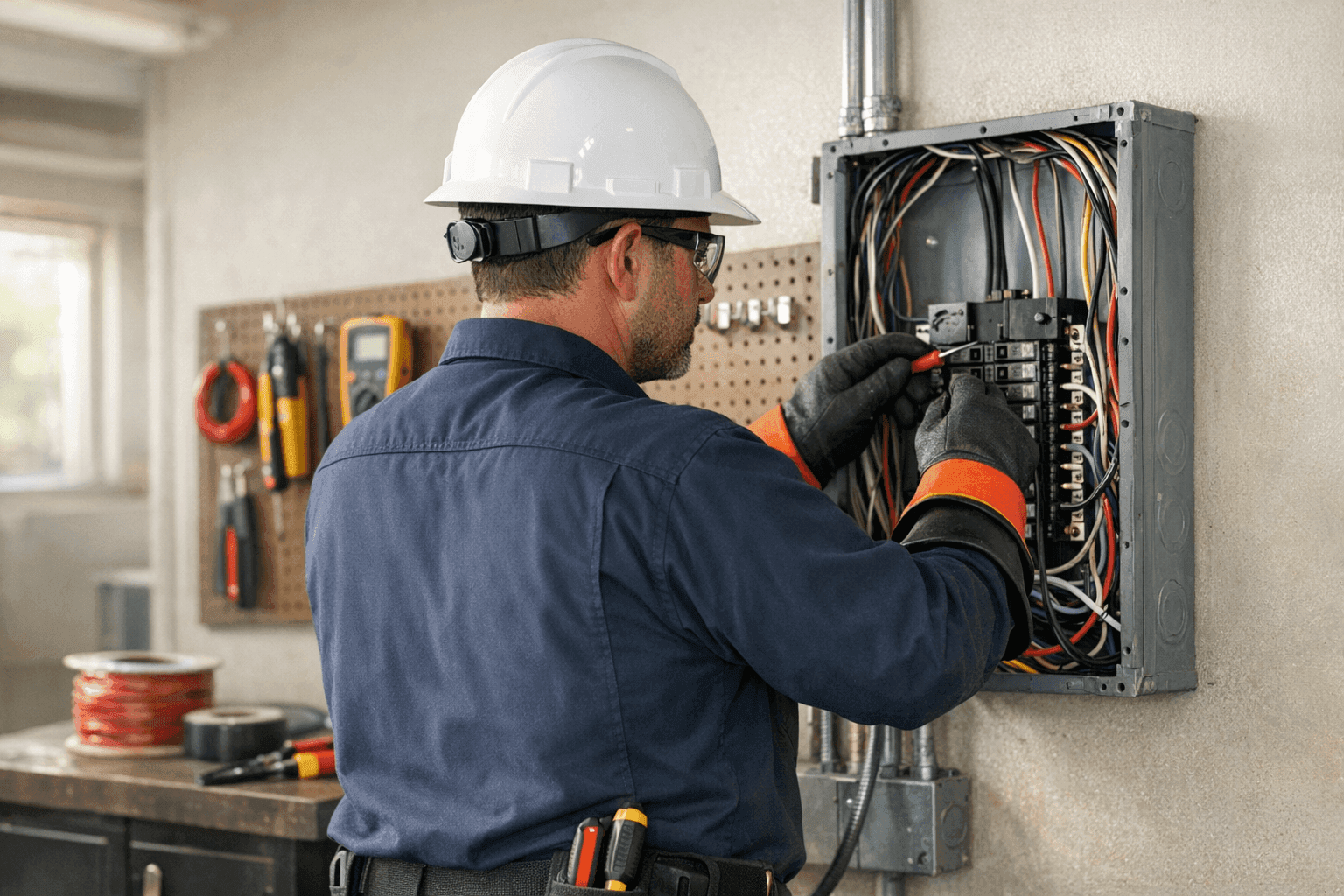
Why Older Businesses Need Electrical Upgrades
Picture an old building, full of charm—and hidden hazards. Decades-old wiring groans under the weight of modern demands. Flickering lights, tripped breakers, outlets that spark. These are more than annoyances. They’re warning signs. Upgrading your electrical system isn’t just about convenience. It’s about safety, reliability, and keeping your operations running.
At LintPro Electric, we’ve seen it all. We understand how much is at stake when an older business faces electrical issues. Our experience with business retrofits means we know how to keep your workspace safe, compliant, and up to speed.
The Tell-Tale Signs: Is Your Business Due for an Upgrade?
How do you know when it’s time? Watch for:
- Circuit breakers that trip often
- Lights that flicker or dim unexpectedly
- Old or brittle wiring insulation
- Outlets that feel warm or show scorch marks
- Not enough outlets for your needs
- Humming panels or buzzing switches
If you’re seeing any of these, don’t wait for a bigger problem. These are your system’s way of waving a red flag.
Common Upgrade Needs in Older Commercial Buildings
Most business retrofits boil down to a handful of key upgrades:
- Panels & Breakers: Old fuse boxes can’t handle today’s electrical loads. Modern panels mean safer, more reliable power.
- Wiring & Circuits: Aging wires can fray, crack, or even spark fires. Rewiring keeps everything secure and efficient.
- Outlets & Switches: More devices mean more demand. Upgrading adds capacity and safety features like GFCIs.
- Lighting: Old fixtures waste energy and deliver poor quality light. LED upgrades brighten spaces and cut costs.
- Low Voltage Systems: Data cabling, phone lines, and internet need modern infrastructure to support your business.
- Surge Protection: Protect sensitive equipment with whole-building solutions.
First Step: Safety Assessment
Before any work begins, a thorough safety check is vital. Our electricians start with a detailed inspection—like a detective piecing together a case. We check wiring, panels, outlets, and grounding. This means testing, opening up panels, even thermal imaging to spot hidden heat. We follow the National Electrical Code (NEC) and OSHA guidelines, so nothing slips through the cracks. 🕵️♂️
Building a Plan That Works for You
No two businesses are the same. A restaurant’s upgrade needs differ from a warehouse or office. We listen to your concerns, study your building’s blueprints, and factor in your future plans. Do you need more outlets for workstations? Upgraded lighting for display areas? Emergency power for critical equipment? We create a roadmap that fits your needs, budget, and schedule.
Balancing Work and Upgrades: Minimizing Downtime
Upgrades shouldn’t grind your business to a halt. We know your time is money. That’s why we work nights, weekends, or in phases—whatever keeps your doors open. Clear communication means you always know what to expect. We can isolate circuits, schedule shutdowns, and make sure you’re never left in the dark. ⚡
The Role of Code and Insurance Compliance
Cutting corners here can cost you dearly. Outdated systems aren’t just unsafe—they can void your insurance, invite fines, and even lead to business closure. We stay up to date with NEC changes and local codes. After the job, we provide certificates and documentation for your records and insurers. (See NFPA 70: National Electrical Code for more on compliance.)
Cost Factors and Budgeting for an Upgrade
Every upgrade is unique. Costs depend on building age, size, and the scope of work. Some tips to control costs:
- Bundle upgrades—like wiring and lighting—to save on labor.
- Prioritize safety-related fixes first.
- Plan for future needs, not just today’s problems.
- Ask for a detailed quote and timeline.
Sometimes, phased work lets you spread out expenses without sacrificing safety.
What to Expect When the Electrician Arrives
Our team arrives ready. We’ll walk the property with you, review concerns, and map out next steps. You’ll see us testing circuits, opening panels, and checking outlets. We’ll explain what we find in plain language—no tech-speak. Then, we get to work, keeping the space safe and tidy as we go.
DIY vs. Professional Upgrades
Some jobs—like changing a lightbulb—are simple. But panel upgrades, rewiring, and code compliance? That’s where you need a licensed electrician. Mistakes can mean fire, injury, or legal trouble. Leave the high-stakes work to those trained and certified for commercial jobs.
Keeping Up With Maintenance After the Upgrade
Think of your new electrical system like a car. It runs best with regular care. Schedule annual safety checks, look out for signs of trouble, and keep records of all work. Well-maintained systems last longer, reduce surprise costs, and keep everyone safe. For ongoing peace of mind, check out our maintenance services here.
Emergency Situations: When Waiting Isn’t an Option
Smelling burning plastic? Seeing smoke or sparks? Power out with no clear reason? Don’t wait. Shut off the power at the main panel and call us now. Electrical emergencies get priority treatment, day or night.
Adapting to Modern Needs: Tech, EVs, and More
Today’s businesses demand more—think EV chargers, advanced security, and high-speed data cabling. Upgrades are a chance to future-proof your building. We help you plan for tomorrow, not just patch today’s problems. If you need specialized wiring, surge protection, or home automation for your business, we handle that too.
Common Mistakes to Avoid During an Upgrade
- Hiring unlicensed help. (It’s illegal and risky.)
- Skipping permits or inspections.
- Overloading new circuits or panels.
- Ignoring future expansion.
- Failing to clearly label panels and outlets.
Avoid these traps to save time, money, and headaches.
How Upgrades Impact Insurance and Liability
Modern electrical systems can lower your insurance rates and reduce risk. Documented upgrades show insurers you take safety seriously. In many cases, insurance companies require regular safety inspections as a condition of coverage. We provide the paperwork you need for smooth renewals.
Real-World Timeline: How Long Does an Upgrade Take?
Every project is different. A simple panel swap? Maybe a day. Whole-building rewiring? Several days to a couple of weeks, depending on size and access. We’ll give you a realistic schedule—and keep you informed every step of the way.
Planning Ahead: When to Schedule Your Upgrade
The best time is before you have an emergency. Off-hours, holidays, or planned slow periods are ideal. If you’re expanding, remodeling, or adding equipment, that’s the perfect moment to upgrade.
If you’re searching for an electrician company with deep experience in business retrofits, LintPro Electric is ready to help.
Let’s Bring Your Business Up to Code—Safely
Don’t let outdated wiring hold your business back. Protect your investment, your people, and your peace of mind. For panel upgrades, rewiring, lighting, or wiring and circuits—we’re here, 24/7.
Call LintPro Electric now — or reach us anytime at 844-484-8656 .