Electrical Upgrades for Safe Pool & Spa Installations
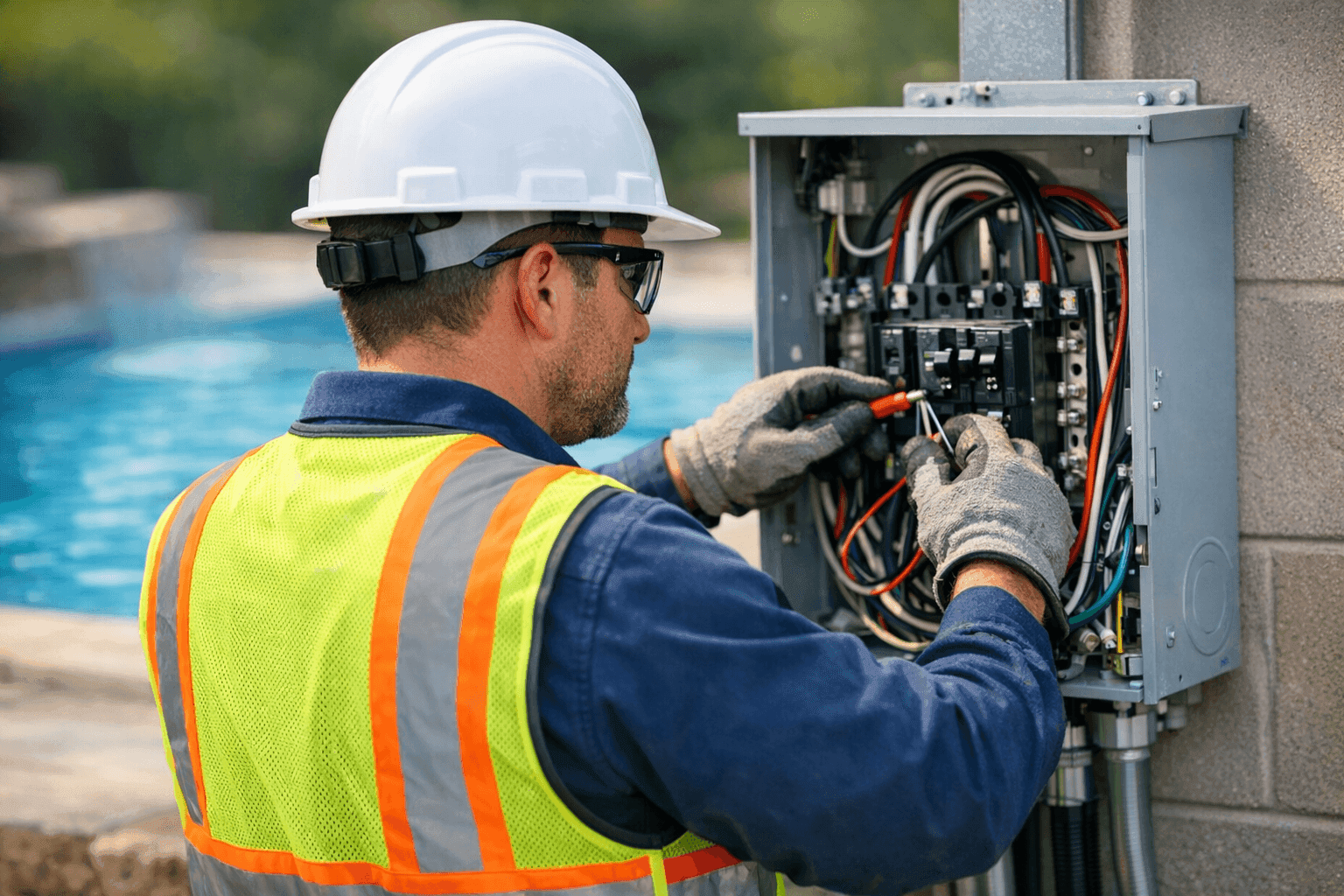
The Electrifying Truth: Pools and Spas Demand More Than Water
That dream pool or spa in your backyard isn’t just a lovely spot to relax. It’s a mix of water, people, and electricity—a cocktail that demands extra caution. Each year, the National Fire Protection Association (NFPA) and the National Electrical Code (NEC) update rules for one reason: to keep swimmers and soakers safe.
Ignoring these rules is like swimming with sharks. The risks are silent but real. LintPro Electric works with homeowners and businesses to make sure your fun never turns dangerous.
Quick Safety Checklist: The Must-Haves
Before the first splash, review these essentials:
- GFCI (Ground Fault Circuit Interrupter) Protection: Instantly cuts power if a problem’s detected.
- Bonding and Grounding: Keeps stray voltage away from swimmers.
- Weatherproof Equipment: Rain, splashes, and humidity can cause damage—unless you’re prepared.
- Proper Outlets & Switches: Especially rated for wet, outdoor use.
- Correct Wiring: Designed for outdoor and high-moisture environments.
- Routine Inspections: Because what’s safe today might not be safe tomorrow.
Missing anything? Your pool or spa might not be as safe as you think.
Understanding Safety Codes: The Rules That Save Lives ⚡
Codes aren’t just paperwork. They’re life jackets for your electrical system. The NEC (Article 680) spells out exactly how pools and spas must be wired. Local codes may go even further. Don’t cut corners—inspectors never do.
Key code points:
- GFCI protection required for all outlets within 20 feet of water.
- All metal parts (ladders, handrails, pool lights) must be bonded.
- Conduit and enclosures must be rated for outdoor, wet locations.
Reference: National Electrical Code (NEC) 2023 edition.
Installation Steps: Building a Safe Power System
Wiring a pool or spa is a step-by-step process—like following a recipe where one wrong ingredient spells disaster.
Typical steps include:
- Site Evaluation: Identify potential hazards.
- Panel Upgrades: If your system’s old, it may need more capacity.
- Trenching & Conduit: Bury wires deep and away from water lines.
- Install GFCI and Weatherproof Outlets: Use only UL-listed, outdoor-rated devices.
- Bonding and Grounding: Connect all metallic parts.
- Testing: Every connection, every outlet, every switch.
LintPro Electric’s team knows each step by heart. It’s what keeps you safe.
GFCI, Bonding, and Weatherproofing: The “Big Three”
Think of GFCIs like lifeguards for your wires. They sense danger and act fast. Bonding is the invisible net under your feet, catching stray electricity before it finds you. Weatherproofing is the armor—the shield that keeps rain, splash, and sun from attacking your system.
When in doubt, ask:
- Is every outlet near the water GFCI-protected?
- Are all metal parts bonded?
- Is every enclosure weather-tight?
Upgrading Existing Installations: Don’t Let Old Wiring Ruin the Fun
Pools and spas age. So does their wiring. What passed inspection 10 years ago might be unsafe now.
Warning signs:
- Lights flicker or don’t turn on.
- Outlets feel warm.
- Breakers trip more than once.
- Corrosion or rust visible on panels or switches.
Upgrading isn’t just about new wires. It’s about adding GFCI, replacing old outlets, and sometimes re-routing lines to meet modern code.
Need help? Check our Pool & Spa Electrical service page for what’s involved.
Routine Maintenance: Keeping Your Pool & Spa Shock-Free 🧰
Just like you skim leaves and check chlorine, your electrical system needs love.
Maintenance tips:
- Test GFCI outlets monthly.
- Inspect panels and breakers for rust.
- Check all accessible wiring for cracks or damage.
- Schedule yearly safety inspections with a licensed electrician.
The Electrical Safety Foundation International (ESFI) recommends annual checks for all pool and spa wiring.
DIY vs. Call a Pro: Knowing When to Pick Up the Phone
Replacing a bulb? Maybe DIY is safe. Rewiring a pool light? That’s a job for someone who knows the code, the risks, and the tools. Electricity and water are a dangerous mix for amateurs.
If you’re ever in doubt, call an electrician familiar with wet-environment safety. It’s not just about the wires—it’s about lives.
What Electricians Do On Arrival: A Peek Behind the Scenes
You call. We arrive. Here’s what happens next:
- Visual Inspection: Panels, outlets, and all visible wiring.
- Test All GFCIs and Breakers: Make sure they trip and reset correctly.
- Check Bonding and Grounding: Using specialized meters.
- Moisture Check: Look for signs of water intrusion.
- Safety Report: Clear, jargon-free, and honest.
Sometimes, the fix is simple. Other times, it means a bigger upgrade. Either way, you get the facts.
Seasonal Checks: Why Spring and Fall Matter
Every season brings its own challenges. Spring thaws can expose damaged wires. Fall storms test your weatherproofing.
Before opening your pool each season:
- Test all outlets and switches.
- Inspect for animal nests or debris in panels.
- Check for visible rust or water damage.
Regular seasonal checks keep the fun flowing and the shocks away.
Common Mistakes We See (and How to Avoid Them)
- Using indoor-rated outlets or switches outdoors.
- Skipping the bonding step.
- Overloading circuits with too many lights or pumps.
- Letting leaves, bugs, or water get into electrical boxes.
- Forgetting to test GFCIs.
A little prevention goes a long way.
Signs of Trouble: When to Shut It Down
- You feel a tingle or shock in the water.
- Breakers keep tripping.
- You smell burning or see scorch marks.
- Lights flicker, buzz, or don’t work.
If anything feels off, get out of the water and cut power at the main panel. Then call an electrician immediately.
Timeline and Disruption: What to Expect During Upgrades
Most upgrades take 1–3 days, depending on the complexity. Some jobs need trenching or panel work. Others are quicker, like swapping outlets or adding GFCI breakers.
Yes, there will be noise. Maybe some dust. But a safe, sparkling pool is worth it.
Materials & Equipment: The Unsung Heroes
- Weatherproof boxes and covers
- UL-listed wire and conduit
- GFCI breakers and outlets
- Bonding clamps and wire
- Outdoor-rated switches
Quality materials make all the difference. Cheap hardware is a shortcut to disaster.
The LintPro Advantage: Experience in Wet Environments
LintPro Electric’s team understands the hidden dangers of water and electricity. We’ve seen it all—from backyard spas to hotel pools. Our licensed electricians use Low Voltage Systems near you and high-voltage expertise to design, install, and maintain safe electrical systems for every pool and spa.
If you’re in the Huntington area, our electrician services are always ready to help—rain or shine.
FAQ: Your Pool & Spa Electrical Questions
Q: How often should I test my GFCI outlets?
A: At least once a month. Just press the “Test” and “Reset” buttons.
Q: Can I use regular extension cords for pool equipment?
A: Never. Only permanent, properly rated wiring is safe.
Q: What’s the difference between bonding and grounding?
A: Bonding connects all metal parts so electricity can’t build up. Grounding sends stray electricity safely into the earth.
Ready for a Safer Pool or Spa?
Electrical safety is more than a checklist—it’s peace of mind. If you’re planning a new installation, upgrading old wiring, or just want a professional eye on your pool or spa, LintPro Electric is here to help.
Call LintPro Electric now — or reach us anytime at 844-484-8656 .