GFCI Outlets: What They Are and Why You Need Them
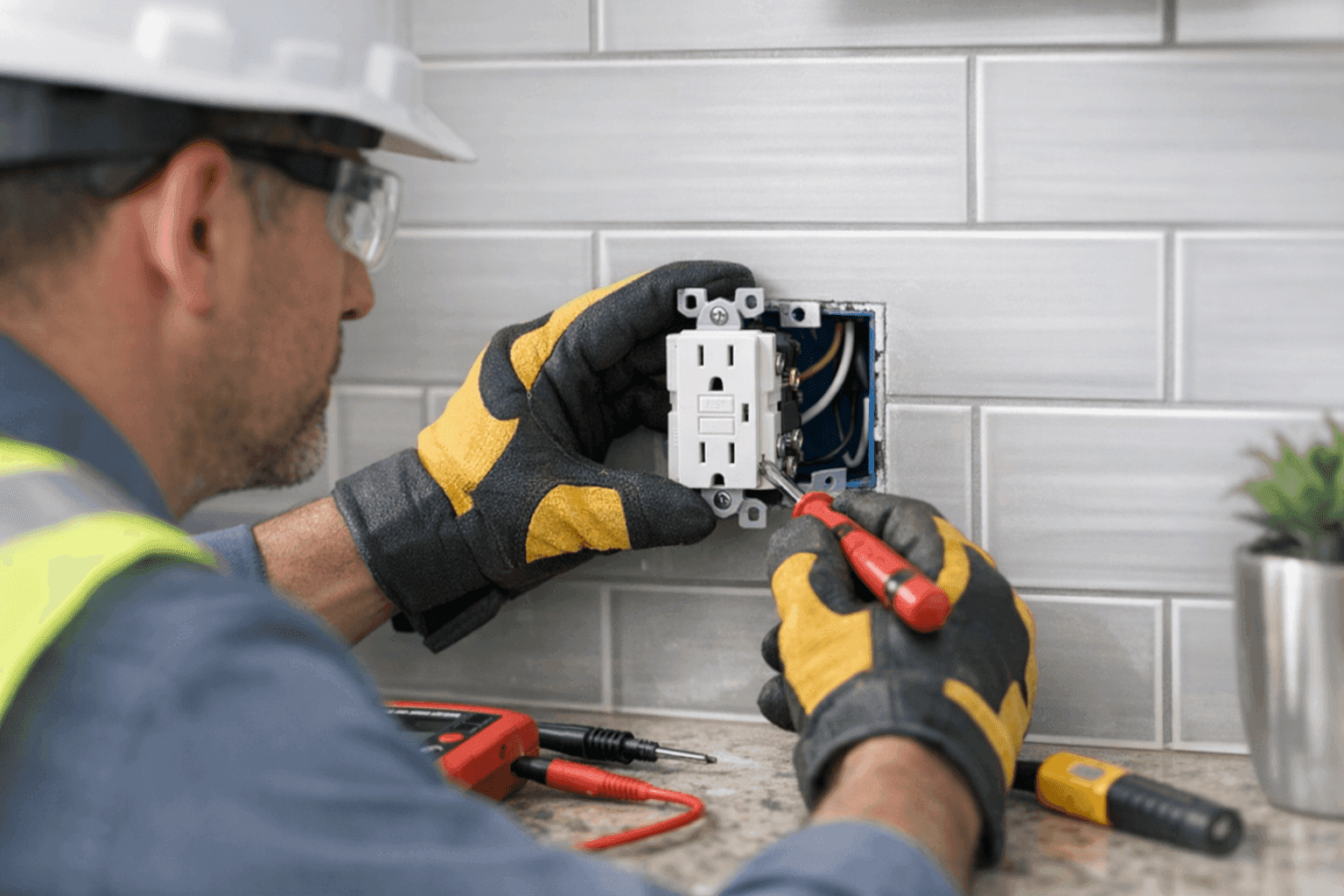
Is your home or business truly safe from electrical accidents? The answer often hides behind a simple wall plate. At LintPro Electric, we see the difference a single upgrade can make—especially when it comes to GFCI outlets. These aren’t just another gadget; they’re a frontline defense for you, your family, and your property.
Electrical hazards don’t send warnings. But certified electricians do. Let’s talk about what GFCI outlets are, how they keep you safe, and why upgrading isn’t just about following code—it’s about peace of mind.
What Is a GFCI Outlet?
Imagine standing barefoot in the kitchen, making coffee. Suddenly, a spill. The toaster’s plugged in nearby. Danger? Not if your outlet is a GFCI.
GFCI stands for Ground Fault Circuit Interrupter. It’s a special type of outlet that instantly shuts off power if it detects even a tiny imbalance in the electrical current—like when electricity tries to take a shortcut through water (or you). That split-second reaction can prevent serious shocks, burns, or worse.
Why GFCIs Are Required—And Where
You’ll find GFCIs required by national and local electrical codes (like the National Electrical Code, NEC) in places with higher risk:
- Kitchens
- Bathrooms
- Laundry rooms
- Garages
- Outdoor outlets
- Basements
- Wet bars
- Utility sinks
- Pool and spa areas
If an outlet is within six feet of a water source, code says it needs GFCI protection. And for good reason.
How GFCI Outlets Work ⚡
Think of a GFCI like a lifeguard for your wiring. When everything’s normal, electricity flows in a loop from hot to neutral. If something goes wrong—say, you drop a hair dryer in the sink—the current suddenly changes. The GFCI senses this in milliseconds and cuts the power before harm can happen.
No waiting. No warnings. Just instant safety.
How To Tell If You Have GFCI Protection
Look for outlets with “Test” and “Reset” buttons—usually black and red. That’s your GFCI at work.
But not every GFCI is obvious. Sometimes, a single GFCI outlet protects others “downstream” on the same circuit. If you’re not sure, it’s time for a safety check.
How To Test a GFCI Outlet
Testing takes seconds. Make it a habit every month:
- Plug in a small lamp or nightlight.
- Press the “Test” button. The light should go off.
- Press “Reset.” The light should come back on.
If nothing happens, the outlet may be faulty or unprotected. That’s your cue to call an electrician.
Step-by-Step: Installing a GFCI Outlet
While some handy homeowners try DIY, working with electricity isn’t like fixing a leaky faucet. One wrong move can cause shocks, fires, or code violations. Here’s what the pros do:
- Turn off power at the breaker.
- Verify no voltage at the outlet with a tester.
- Remove old outlet and inspect wiring.
- Connect wires to the proper GFCI terminals (line and load).
- Secure outlet and restore power.
- Test for proper function.
It sounds simple—until you’re in a crowded panel or dealing with old, brittle wires. For most, it’s best left to a licensed electrician.
Common Mistakes Homeowners Make
- Swapping out old outlets without checking wiring.
- Forgetting to shut off power.
- Miswiring line/load terminals (leading to no protection).
- Installing GFCIs somewhere they’re not needed, but skipping areas where code requires them.
A certified electrician knows the code and ensures every outlet is safe and legal.
Why Upgrading to GFCI Matters
Still using old two-prong or unprotected outlets? You’re not just ignoring code—you’re risking lives. Shocks, burns, and electrical fires are real dangers. According to the Electrical Safety Foundation International (ESFI), ground faults cause hundreds of injuries and deaths every year. Most are preventable.
Upgrading isn’t just about passing inspection. It’s about protecting your family, your team, and your investment.
What Happens If You Don’t Upgrade?
Without GFCI outlets, even a drop of water can turn a regular day into an emergency. A child with wet hands, a splash on the counter, outdoor rain—these are the moments when GFCIs save lives.
Ignoring the upgrade also affects your insurance, resale value, and compliance. In some cities, missing GFCIs can even delay property sales.
When To Call an Electrician
If your outlets are old, unmarked, or you’re unsure about your home’s safety, it’s best to call for a professional inspection. At LintPro Electric, certified electricians are trained to spot hidden hazards, update wiring, and install GFCIs to code.
For businesses, safety isn’t just a good idea—it’s a requirement. Routine Safety Checks can prevent downtime and costly accidents.
Electricians Don’t Just Install—They Protect
A licensed electrician does more than swap outlets. They ensure every connection is safe, test the entire system, and provide paperwork for insurance or inspections. Plus, they know the latest code requirements, so you stay legal and protected.
Signs You Need a GFCI Upgrade
- Outlets near water don’t have “Test” or “Reset” buttons.
- You notice frequent tripping or buzzing at outlets.
- Outlets feel warm or show discoloration.
- Your property is more than 20 years old.
Don’t wait for an accident. If you see these signs, schedule a Installations.
GFCI Protection for Businesses
Workshops, restaurants, gyms, and offices—each has unique risks. Businesses must comply with codes for customer and staff safety. GFCI outlets are part of every smart facility’s safety plan, alongside other essentials like surge protection and routine maintenance.
Timeline, Disruption, and Costs
Most GFCI upgrades take less than an hour per outlet. For a whole home or business, it’s usually just a day. Disruption is minimal—no need to tear up walls or pause your life.
Costs depend on the number of outlets and wiring condition. The price of safety is small compared to the cost of an emergency.
Keeping Your Home and Business Safe Year-Round
Seasonal storms, heavy rains, and winter thaw all increase electrical risks. Make GFCI testing part of your spring and fall checklist. It’s as important as changing smoke detector batteries.
If you’re in the area, our electrician specialists in Fargo can inspect, update, or install new GFCI outlets quickly and safely.
Simple Tips for Everyday Electrical Safety
- Always dry hands before plugging in appliances.
- Don’t overload outlets or use damaged cords.
- Test GFCI outlets monthly.
- Schedule electrical inspections every few years—especially in older properties.
Final Thoughts
GFCI outlets aren’t just a box to check—they’re a lifesaver hiding in plain sight. Whether you’re building new, renovating, or just want peace of mind, make this small upgrade and sleep easier tonight.
Call LintPro Electric now — or reach us anytime at 844-484-8656 .