High-Voltage Wiring: Safety Essentials for Property Owners
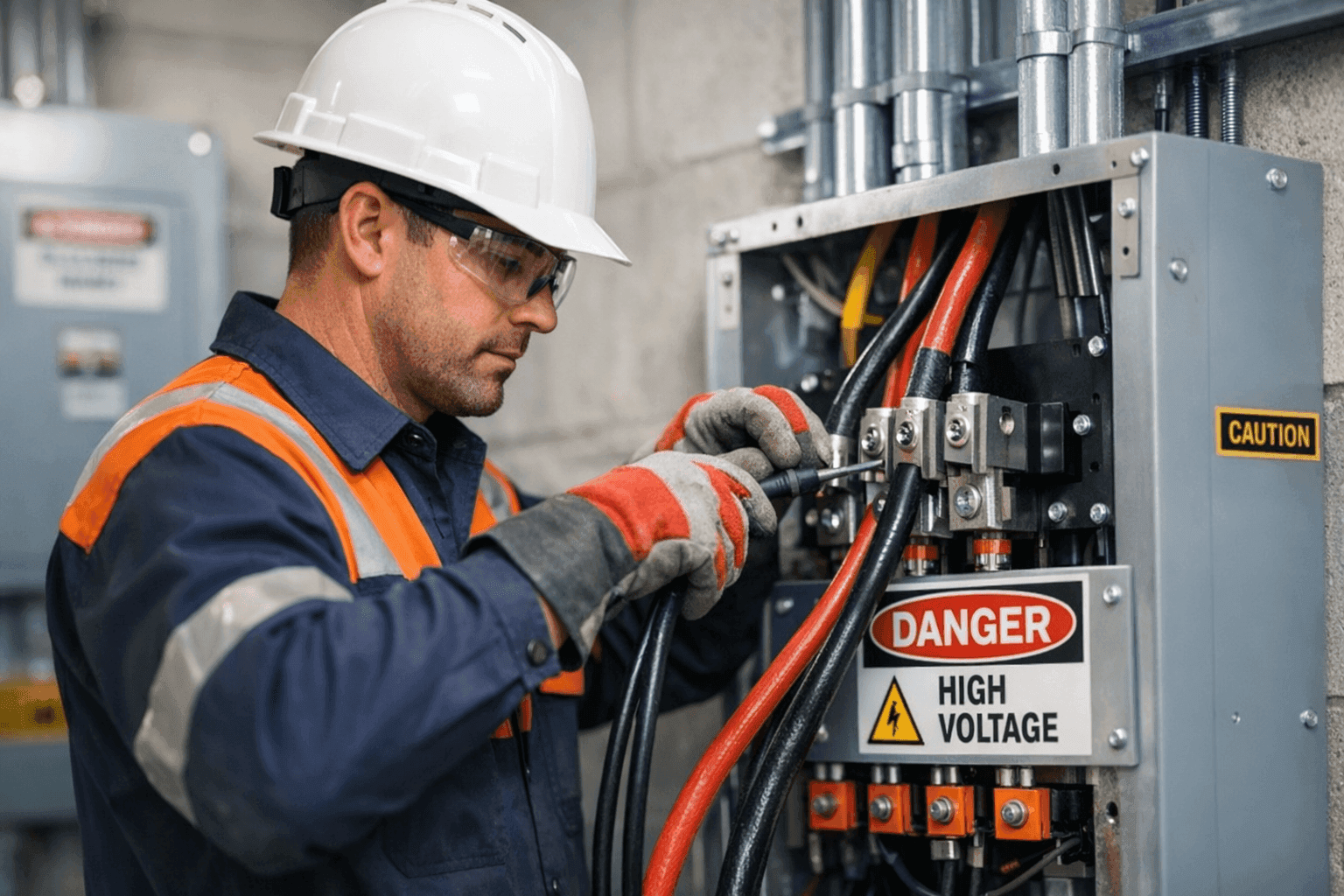
Are you a property owner faced with confusing wires and humming panels? Maybe you’re upgrading your HVAC, adding a new appliance, or running a business with heavy-duty equipment. High-voltage wiring is the invisible backbone of modern homes and commercial spaces—a vital system, but one where a single misstep can have real consequences.
At LintPro Electric, we know the stakes. We’re here to help property owners—whether you manage a busy office, own a growing warehouse, or care for your family home—understand the essentials of high-voltage wiring. Safety isn’t just a box to check; it’s the difference between peace of mind and disaster.
What Is High-Voltage Wiring? The Hidden Power in Your Walls
High-voltage wiring refers to circuits carrying electrical power above typical household levels. In North America, that’s anything over 120/240 volts. Think of it like a river: low voltage is a calm creek, safe to step across with boots and care. High voltage is a surging current—powerful enough to run HVAC systems, commercial machinery, elevators, or massive kitchen appliances, but dangerous if you slip.
Where do you find high-voltage wiring?
- Commercial buildings (manufacturing, offices, warehouses)
- HVAC units (heating, ventilation, air conditioning)
- Industrial machinery and pumps
- Large kitchen appliances (ovens, dryers)
- EV chargers and backup generators
High-voltage circuits are everywhere you rely on big power.
Safety Risks: Why High-Voltage Wiring Demands Respect ⚡
Electricity doesn’t forgive mistakes. High-voltage wiring brings serious hazards:
- Shock or Electrocution: Even a brief touch can cause severe burns, heart arrhythmias, or worse.
- Arc Flash: A sudden, explosive burst of heat and energy. It can melt metal in a flash and cause life-altering injuries.
- Fire Hazard: Faulty wiring or overloaded circuits can ignite insulation, framing, even entire buildings.
- Equipment Damage: Incorrect installation can fry expensive appliances or machinery.
No one wants to face these risks. That’s why the right electrician makes all the difference.
Electrical Codes: The Rules Everyone Must Follow
Electrical codes aren’t just red tape. They’re the law and the playbook for safety. In the U.S., the National Electrical Code (NEC) sets the bar for high-voltage wiring. Your city or county may add stricter rules on top.
Key code requirements:
- Proper insulation and wire gauge: Each appliance or circuit has strict standards.
- Breaker sizing: Overcurrent protection must match the demands of the equipment.
- Grounding and bonding: To safely channel stray electricity away from people and sensitive gear.
- Special enclosures: High-voltage panels and junction boxes must be tamper-resistant.
Always ask your electrician about code compliance. Permits and inspections aren’t optional—they’re your first line of defense.
High-Voltage Installation: Step-by-Step by a Pro
Ever watched a chef prepare a complicated meal? High-voltage installation is just as precise. Here’s what a licensed electrician does:
- Assessment: Survey the site. Determine power loads, distances, panel capacity.
- Design: Map out wiring routes, choose proper cables, plan for future expansion.
- Permitting: File all paperwork and coordinate city inspections.
- Shutoff: Power down at the main panel. Safety first, always.
- Wire Pulling: Run high-voltage cables through approved conduits—keeping them away from water, heat, and foot traffic.
- Connections: Attach wires to breakers, outlets, switches, or equipment with specialized tools.
- Testing: Use calibrated meters to check voltage, continuity, and grounding.
- Inspection: City or county officials verify every detail.
- Final Power-Up: Only after everything is 100% safe.
Shortcuts have no place in this process.
Quick Safety Checklist for Property Owners
Don’t touch what you don’t know. But you can keep an eye out for trouble:
- Tripped breakers or blown fuses—especially if it happens often.
- Burn marks or a hot smell near outlets or panels.
- Buzzing or crackling sounds from walls or equipment.
- Flickering lights tied to major appliances.
If you spot these, pause. Unplug affected devices. Call an electrician immediately.
DIY vs. Professional: When to Step Back
It’s tempting to watch a video, buy a toolkit, and try to handle that “one simple wire.” But high-voltage isn’t a weekend project. The risks are real, and the consequences can be permanent.
Only a licensed electrician should:
- Alter high-voltage panels
- Run new high-voltage circuits
- Replace breakers or large appliances
- Repair wiring after any fire, flood, or rodent damage
Some simple tasks, like changing a light bulb or resetting a breaker, are safe for most property owners. Anything more? Call a professional.
What Happens When the Pros Arrive
When you call LintPro Electric for high-voltage work, here’s what you can expect:
- Clear identification: Our team arrives in uniform, credentials ready.
- Site safety setup: Barriers, warning signs, and lockout/tagout before touching a wire.
- Diagnosis: Using specialized meters and thermal cameras, we pinpoint issues without guesswork.
- Full transparency: We explain findings, options, and costs before work begins.
- Strict adherence to code: We follow both NEC and local rules to the letter.
- Documentation: All installations and repairs come with code-required paperwork.
We treat your property like it’s our own.
Choosing the Right Electrician for High-Voltage Jobs
Not every electrician is qualified for high-voltage work. Look for:
- Licenses and certifications: Journeyman or master credentials. Ask about specialized training in high-voltage systems.
- Insurance: Protects you and your property.
- Experience: Years handling commercial and residential high-voltage installations.
- Safety protocols: Ask about their approach to PPE, lockout/tagout, and code compliance.
- References: A reputable electrician company won’t hesitate to share them.
LintPro Electric’s team meets—and exceeds—these standards.
Regular Inspections: Prevention Beats Repair 🔎
Think of inspections like dental checkups for your building. Catching problems early saves money, stress, and potential disaster.
- Annual checkups: Especially for older buildings or busy commercial spaces.
- After major storms: Water and lightning can stress wiring.
- Before buying or selling property: Don’t inherit hidden problems.
- After any renovations: New walls or equipment can strain old circuits.
Our electrical safety inspections ensure your system is up to code and ready for anything.
Costs and Time: What to Expect
High-voltage projects aren’t one-size-fits-all. Costs depend on:
- Distance: Longer wire runs mean more material and labor.
- Complexity: Adding a new HVAC circuit is simpler than rewiring a factory floor.
- Access: Finished walls take more time to open and close up safely.
- Permitting: Some cities move faster than others.
A simple upgrade may take a day. A major commercial installation can stretch over weeks. We provide clear, upfront estimates so there are no surprises.
When Is It an Emergency?
Certain signs mean you can’t wait:
- Smoke, sparks, or flames from outlets or panels
- Repeated breaker trips that reset but keep failing
- Sudden loss of power to critical equipment (HVAC, refrigerators, security systems)
- Flooded electrical panels after storms or plumbing leaks
If you’re in Lees Summit and need an emergency electrician services, don’t wait—call immediately.
Seasonal Considerations: Weather and Wiring
Extreme weather tests your wiring. Summer storms, winter freezes, and spring floods can all cause:
- Water intrusion in panels or conduits
- Expansion and contraction of old wires, leading to loose connections
- Power surges from lightning or grid instability
Schedule preventive checks as the seasons change. Small steps now can prevent major headaches later.
Common High-Voltage Mistakes (And How to Avoid Them) 🚧
- Mixing low and high voltage: Never share conduits or boxes. It’s forbidden by code.
- Improper wire sizing: Undersized wires overheat, oversized wires waste money.
- Skipping permits: Unpermitted work can void insurance and lead to fines.
- DIY repairs: Even handy owners can miss hidden hazards.
Stay safe. Let a professional handle the big stuff.
Signs Your High-Voltage Wiring Needs Attention
- Dimming or surging lights when large appliances start up
- Breaker panels that feel warm to the touch
- Outlets or switches that buzz
- Equipment that fails unexpectedly
Don’t ignore the warning signs. The sooner you act, the safer your property will be.
Frequently Asked Questions
Q: How do I know if my building uses high-voltage wiring?
A: Most commercial buildings and homes with large HVAC, EV chargers, or commercial-grade appliances do. If you’re unsure, ask your electrician.
Q: Is high-voltage wiring dangerous to touch?
A: Yes. Even when “off,” it can hold residual energy. Never attempt repairs yourself.
Q: How often should high-voltage systems be inspected?
A: At least once a year, or after any major changes or incidents.
Q: Can I add an EV charger myself?
A: Never. It requires a dedicated circuit and must meet strict code requirements.
The LintPro Electric Difference
High-voltage wiring is high-stakes work. You need a team that brings both skill and care to every job, whether it’s installations or commercial services. Our specialists are known for their attention to detail, up-to-date training, and strict commitment to safety.
Your property deserves nothing less.
Call LintPro Electric now — or reach us anytime at 844-484-8656 .