Home Automation Upgrades: Wiring and Safety Essentials
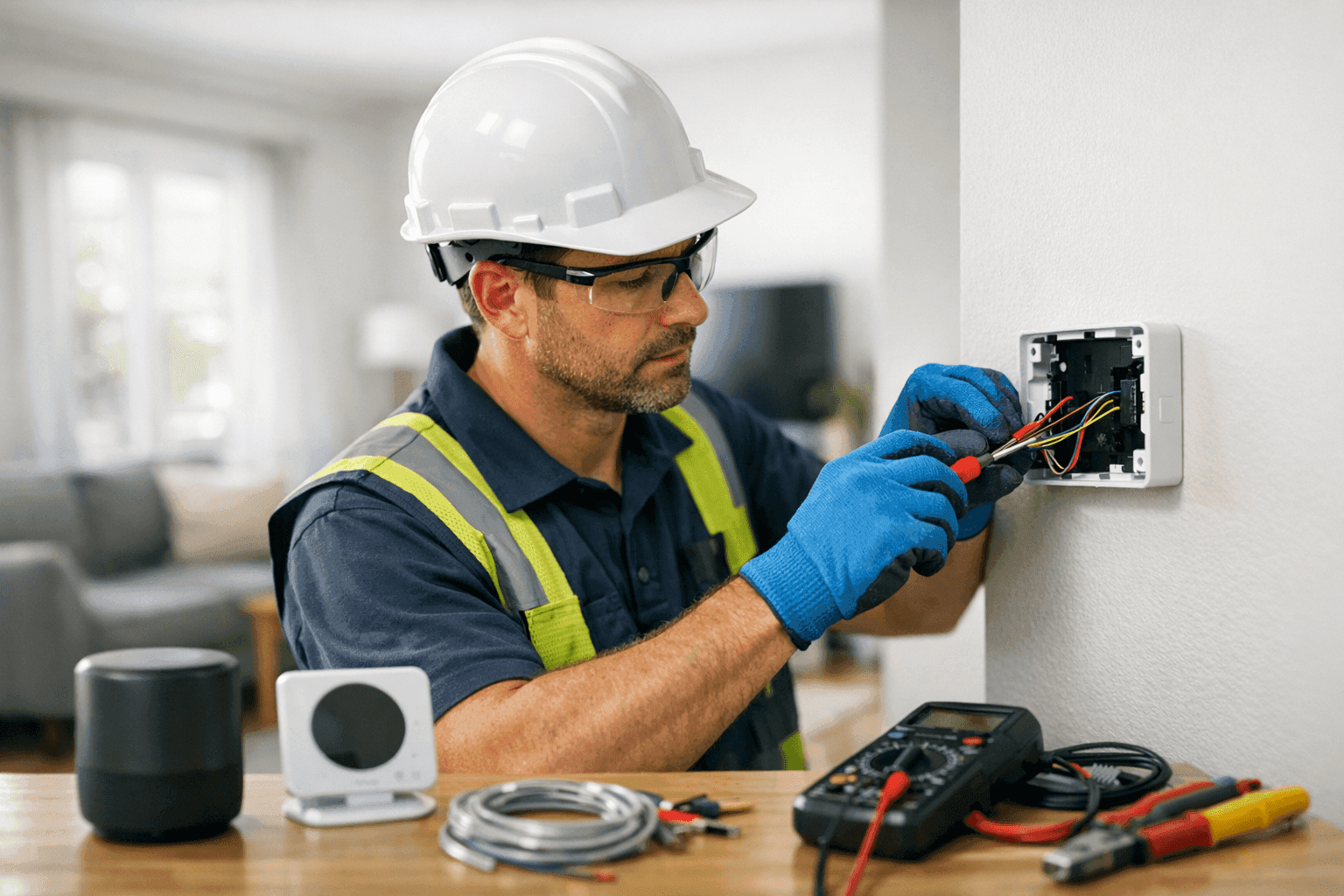
Upgrading your home with smart automation can feel a bit like swapping out the engine on a moving train. You want the lights, the locks, the music—everything—working together smoothly and safely. But beneath the convenience, there’s a tangle of wiring and safety considerations most homeowners never see.
At LintPro Electric, we’ve seen firsthand how the smallest wiring oversight can trip up even the most promising project. Let’s walk through what you need to know before you bring your home into the future.
What Wiring Does Home Automation Need?
A smart home isn’t just about gadgets and apps; it all starts with the right wiring. Here’s what to keep in mind:
- Low Voltage Systems: Think doorbells, security sensors, and data cabling. These run on less juice but need careful installation to keep signals strong and reliable.
- High Voltage Wiring: Larger systems—like automated lights, EV chargers, or pool controls—depend on safe, code-compliant high-voltage wiring.
- Automation Hubs: The “brain” of your smart home. These need central placement and stable connections.
- Device Compatibility: Not all devices play nice together. Wiring should support both current devices and future upgrades.
Without the right backbone, even the smartest system will stumble.
Safety First: The Non-Negotiable Essentials ⚡
Electricity is invisible and unforgiving. Before you start, ask yourself:
- Are all circuits grounded and up to code?
- Do you have ground-fault circuit interrupters (GFCIs) where needed?
- Is there surge protection for sensitive automation gear?
- Have you checked for aluminum wiring or outdated panels?
The National Electrical Code (NEC) and the Electrical Safety Foundation International (ESFI) both stress the importance of regular electrical safety inspections—especially before upgrades.
DIY or Call an Electrician?
It’s tempting to go the do-it-yourself route, especially with so many “smart” gadgets boasting plug-and-play installation. But when it comes to wiring and electrical safety, shortcuts can have lasting consequences.
A certified electrician doesn’t just connect wires; they ensure every connection meets code, every panel is up to the task, and every device works together safely. If you’re searching for reliable Low Voltage Systems near you, don’t risk it—get a pro involved.
What Happens When We Arrive?
Our electricians start with a walk-through, looking for potential trouble spots. We:
- Inspect panels, breakers, and wiring paths
- Test outlets and switches for safe operation
- Assess compatibility with new automation gear
- Identify any hidden hazards (like aging wires behind the walls)
You get a clear plan—no surprises, just solutions.
Integrating Old Wiring with New Smart Tech
Old homes have character, but that “vintage” wiring can complicate automation. Here’s how we handle the blend:
- Wiring Upgrades: Replacing cloth-insulated or knob-and-tube wiring
- Adapters and Converters: Ensuring safe connections between old and new systems
- Bypassing Limitations: Sometimes, wireless options are best for tricky spots
It’s like giving your home a new nervous system without losing its heart.
Future-Proofing: Wiring with Tomorrow in Mind 🔌
Smart homes keep evolving. Plan for:
- Extra Conduits: Empty conduits make future upgrades easier
- Flexible Network Cabling: Cat6 or fiber for faster data down the road
- Dedicated Circuits: For heavy loads like EV chargers or backup generators
Invest now, and your home will be ready for whatever tomorrow brings.
Building Codes: Why They Matter
Local and national codes protect you from unseen dangers. Always check:
- Are your new circuits labeled and mapped?
- Does everything meet NEC and local amendments?
- Are permits pulled for major upgrades?
Following code isn’t just the law—it’s peace of mind.
Quick Safety Checklist for Homeowners
Before you flip the switch:
- Test smoke and carbon monoxide detectors
- Install surge protection—don’t skip it
- Use tamper-resistant outlets, especially if kids are around
- Schedule regular electrical safety inspections
One missed step can spell disaster. Don’t leave it to chance.
Common Mistakes (and How to Avoid Them)
We’ve seen it all. Here’s what trips up most upgrades:
- Overloading circuits with too many smart devices
- Daisy-chaining power strips
- Ignoring voltage compatibility
- Mixing up neutral and ground wires
If you’re unsure, pause and call an electrician.
Signs of Trouble: When Systems Need a Pro
Watch for:
- Flickering lights when automation kicks in
- Warm outlets or switches
- Tripped breakers after adding new devices
- Wi-Fi dropouts linked to power issues
If you notice any of these, get a professional assessment right away.
Timeline and Disruption: What to Expect
Wiring upgrades can take anywhere from a few hours to several days, depending on your home’s age and the complexity of your automation dreams. We keep disruption to a minimum, but be prepared for:
- Short power outages during panel work
- Some wall access for new wiring
- Testing and troubleshooting before sign-off
Good planning means less hassle—and more peace of mind.
Materials and Equipment: What’s Involved
A modern automation upgrade could require:
- Low and high voltage cables
- Smart hubs and bridges
- Certified surge protectors
- New outlets, switches, and panels
- Reliable backup generators
All gear should carry UL certification or meet CSA standards.
Emergency? When to Act Fast
If you smell burning, see sparks, or lose power to key systems, call for emergency service—don’t wait. Electrical issues escalate quickly.
For non-emergencies, schedule a safety check or maintenance visit to keep things running smoothly.
Prevention and Maintenance: Staying Safe Long-Term
Upgrading isn’t a “set it and forget it” deal. Keep your system in top shape by:
- Scheduling annual inspections
- Testing GFCIs monthly
- Replacing device batteries on schedule
- Updating firmware on automation hubs
A little attention now saves headaches later.
Costs and Time Factors: Planning Ahead
Smart home upgrades are an investment. Costs vary by:
- Home size and age
- Complexity of automation
- Materials chosen (wiring, devices, panels)
- Labor for safe installation
We always provide clear estimates up front—no surprises.
Seasonal Considerations: Timing Your Upgrade
Spring and fall are prime times for electrical work—mild weather means fewer delays. If you’re adding outdoor lighting or pool automation, plan ahead so you’re ready for summer fun.
FAQ: Your Home Automation Questions Answered
Q: Can I mix wired and wireless automation systems?
Yes, with proper planning. Wired systems are more reliable for heavy loads; wireless can fill in gaps.
Q: Do I need to upgrade my electrical panel?
Often, yes—especially in older homes or when adding high-demand devices like EV chargers.
Q: Who can I call for certified electrician services near me?
LintPro Electric covers all your Installations needs with certified, safety-minded professionals.
Making your home smarter is exciting—but only if it’s done right. Don’t let hidden wiring issues or skipped safety steps turn an upgrade into a headache. Our licensed electricians at LintPro Electric are here to make every automation project seamless, safe, and future-ready.
Call LintPro Electric now — or reach us anytime at 844-484-8656 .