How to Childproof Your Home’s Electrical System
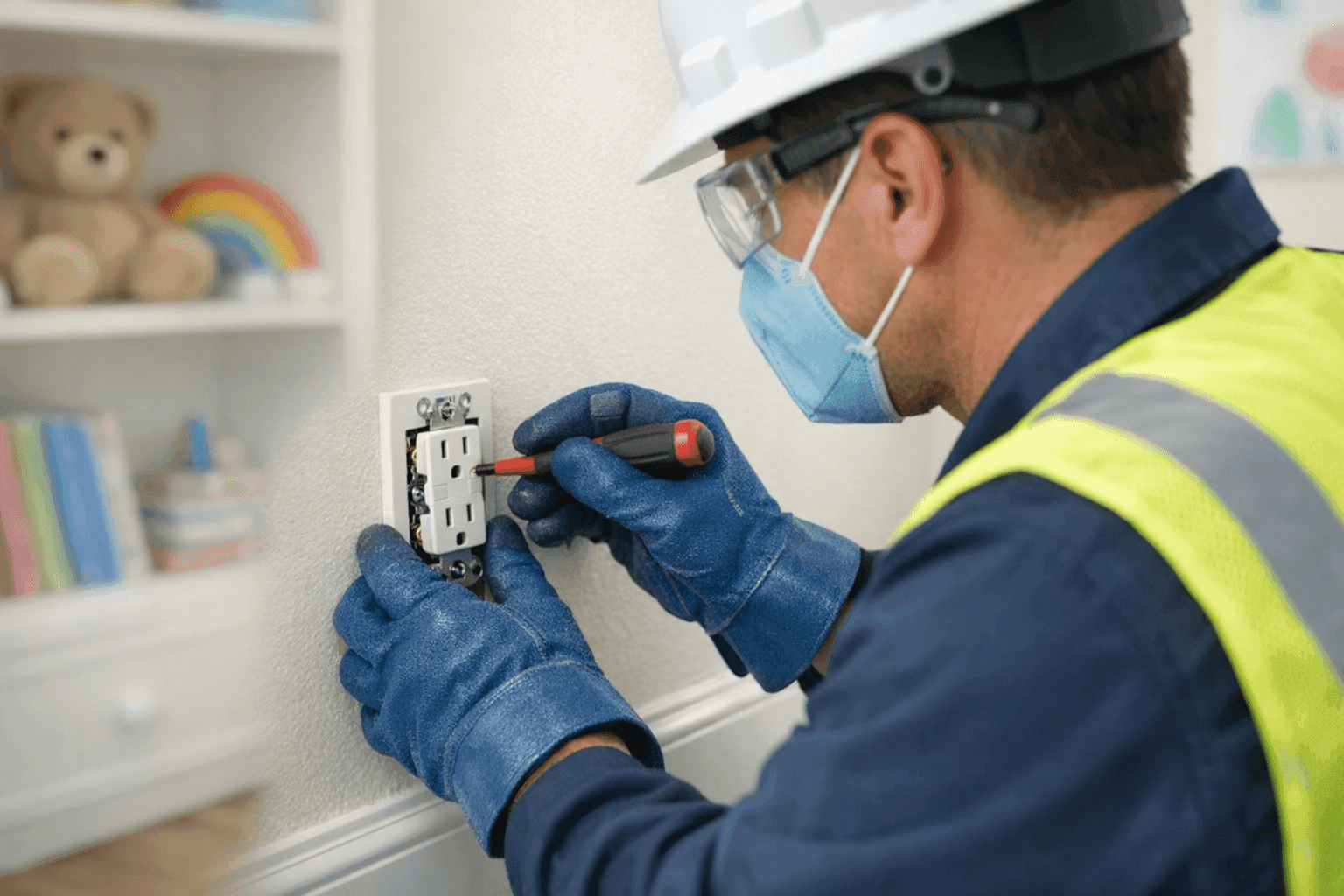
Is there anything more important than your child’s safety? As parents and caregivers, we’re hardwired to spot danger. But some threats—like the silent risks in your home’s wiring—aren’t so obvious. Curiosity is a child’s superpower. But when it meets electricity, it can spell real trouble.
At LintPro Electric, we've seen how a split-second mistake around outlets or cords can lead to injury. Let’s break down childproofing your home’s electrical system—step by step, without the jargon.
Why Are Electrical Hazards So Dangerous for Kids? ⚡
Children see the world as a playground. Outlets look like fascinating faces. Cords are tug-of-war ropes. That toaster on the counter? Another mystery to solve.
But the U.S. Consumer Product Safety Commission warns that thousands of children suffer electrical injuries every year—most from common household items. Fingers, toys, and coins all find their way into places they shouldn’t.
The main trouble spots:
- Loose or uncovered outlets
- Dangling or frayed cords
- Plugged-in appliances within reach
- Power strips behind furniture
- Outdated wiring
Recognizing these is the first step in preventing accidents.
Quick Electrical Safety Checklist for Families
Not sure where to start? Walk through your home and look for:
- Exposed or unused electrical outlets
- Cords that cross walkways or dangle from tables
- Appliances plugged in at child height
- Power strips on the floor
- Extension cords in daily use
- Switches and panels without covers
- Missing or broken outlet plates
If you spot any of these, it’s time for a safety upgrade.
Installing Childproof Devices: Simple Fixes with Big Impact
The right tools can turn hazards into harmless background noise.
Tamper-Resistant (TR) Outlets
TR outlets are now required by the National Electrical Code (NEC) in new homes. They have spring-loaded shutters that block foreign objects. Only a real plug will open them.
Upgrade tip: If your home is older, swap standard outlets for TR models. It’s a straightforward job for a licensed electrician.
Outlet Covers and Plates
Plastic sliding covers are a quick fix. They snap over existing outlets and keep little fingers out. Choose covers that are hard for small hands to remove but easy for adults.
- Box-style covers for high-traffic or frequently used outlets
- Screw-on plates for outlets rarely used
Cord Management: Out of Sight, Out of Mind
Children tug on anything within reach. Use cord shorteners or winders to keep loose cords neat. Secure long cords behind furniture or inside cord concealers. Never run cords under rugs—heat can build up and spark fire.
Appliance Locks and Plug Guards
For high-risk areas like kitchens and bathrooms, use appliance locks. Plug guards make it tough for little ones to pull plugs from outlets.
Teaching Kids About Electrical Safety—Without the Lectures
Even the best childproofing can’t replace good habits. Talk with your kids about electricity using stories or real-life examples. Explain that outlets are not for toys or fingers.
Tips for parents:
- Use simple language: "Electricity can give a big hurt."
- Show what’s safe to touch (switches, with dry hands) and what’s not.
- Teach older children to never use appliances near water.
- Practice what you preach—unplug appliances when not in use and keep cords tidy.
DIY or Call an Electrician? Knowing Your Limits
Some fixes are safe for handy homeowners—like snapping in outlet covers or using cord wraps. But when it comes to wiring upgrades, new outlet installation, or any work inside the wall, it’s best to call a licensed electrician.
Why? Electrical systems are like the circulatory system of your home. One wrong move can cause hidden damage or increase fire risk.
What to Expect When a Professional Arrives
When you call LintPro Electric, here’s what happens:
- Inspection: We evaluate all outlets, switches, and visible wiring.
- Testing: Using professional meters, we test for hidden faults and loose connections.
- Upgrades: We’ll recommend tamper-resistant outlets, AFCI/GFCI devices, and panel adjustments as needed.
- Clean Work: Our team ensures there’s no mess left behind—just peace of mind.
We’re licensed and experienced in both residential services and safety checks. Your family’s comfort is our priority.
Prevention & Maintenance: Making Safety a Habit
Childproofing isn’t a one-time job. As kids grow, their curiosity evolves. Set reminders to check cord covers, outlet plates, and the placement of appliances every season.
- Inspect all safety devices monthly
- Replace worn or broken covers immediately
- Rearrange furniture to block outlet access where possible
Outlets & Switches: Upgrades That Matter
Modern homes need modern protection. Upgrading outlets and switches isn’t glamorous, but it’s vital. Tamper-resistant outlets, GFCI/AFCI protection, and smart switches keep curious hands safe.
If you’re curious about what’s involved, our Outlets & Switches page explains the process and options.
When Is It an Emergency? Red Flags to Watch For
Certain warning signs mean you should call for help right away:
- Sparking or buzzing outlets
- Burning smell from outlets or switches
- Outlets that are hot to the touch
- Repeated tripping breakers
- Exposed wires
Don’t wait—unplug everything from the affected outlet and reach out immediately.
Childproofing Costs and Time: What to Expect
Most basic childproofing (outlet covers, cord wraps) can be done in a single afternoon. Upgrading to tamper-resistant outlets takes a few hours for a typical home, depending on how many need replacing.
Professional labor varies—ask for an estimate up front. At LintPro Electric, we provide clear, honest pricing for every job.
Common Mistakes That Put Kids at Risk
Even well-meaning families sometimes make these errors:
- Relying on cheap, easy-to-remove outlet plugs
- Leaving appliances plugged in at child height
- Using extension cords as permanent solutions
- Ignoring frayed or pinched cords
- Skipping regular inspections
A little vigilance goes a long way.
Seasonal Considerations: Changing Safety Needs
Winter brings space heaters and holiday lights. Summer means fans and pool pumps. Each season brings new electrical risks.
- Winter: Keep heaters out of reach and cords off the floor.
- Summer: Protect outdoor outlets and pool equipment.
- Holidays: Use certified lights and avoid overloading outlets.
Frequently Asked Questions About Childproofing Electrical Systems
Do I need to upgrade every outlet?
Focus on areas within reach of children—especially bedrooms, playrooms, and living rooms.
Are tamper-resistant outlets worth it?
Absolutely. They’re recommended by the NEC and are a reliable, long-term solution.
How often should I check my childproofing devices?
At least once per month, and always after moving furniture or finishing renovations.
Should I consider a full home safety inspection?
If your home is older or you’ve never had a professional inspection, yes. It’s the only way to catch hidden hazards.
Professional Upgrades: Peace of Mind for the Whole Family
For families in every stage, calling a licensed electrician is the safest move. From upgrading your panel to designing a safer electrical system, our team at LintPro Electric brings skill and attention to detail—not just quick fixes.
For residents needing an electrician company in Bozeman, our team understands local homes and the unique needs of growing families.
Final Thoughts: Safe Kids, Peaceful Homes
Childproofing your home’s electrical system doesn’t have to be overwhelming. With a mix of practical tools, good habits, and professional support, you can create a safer space for every member of your family.
Call LintPro Electric now — or reach us anytime at 844-484-8656 .