How to Choose and Install Appliances Safely
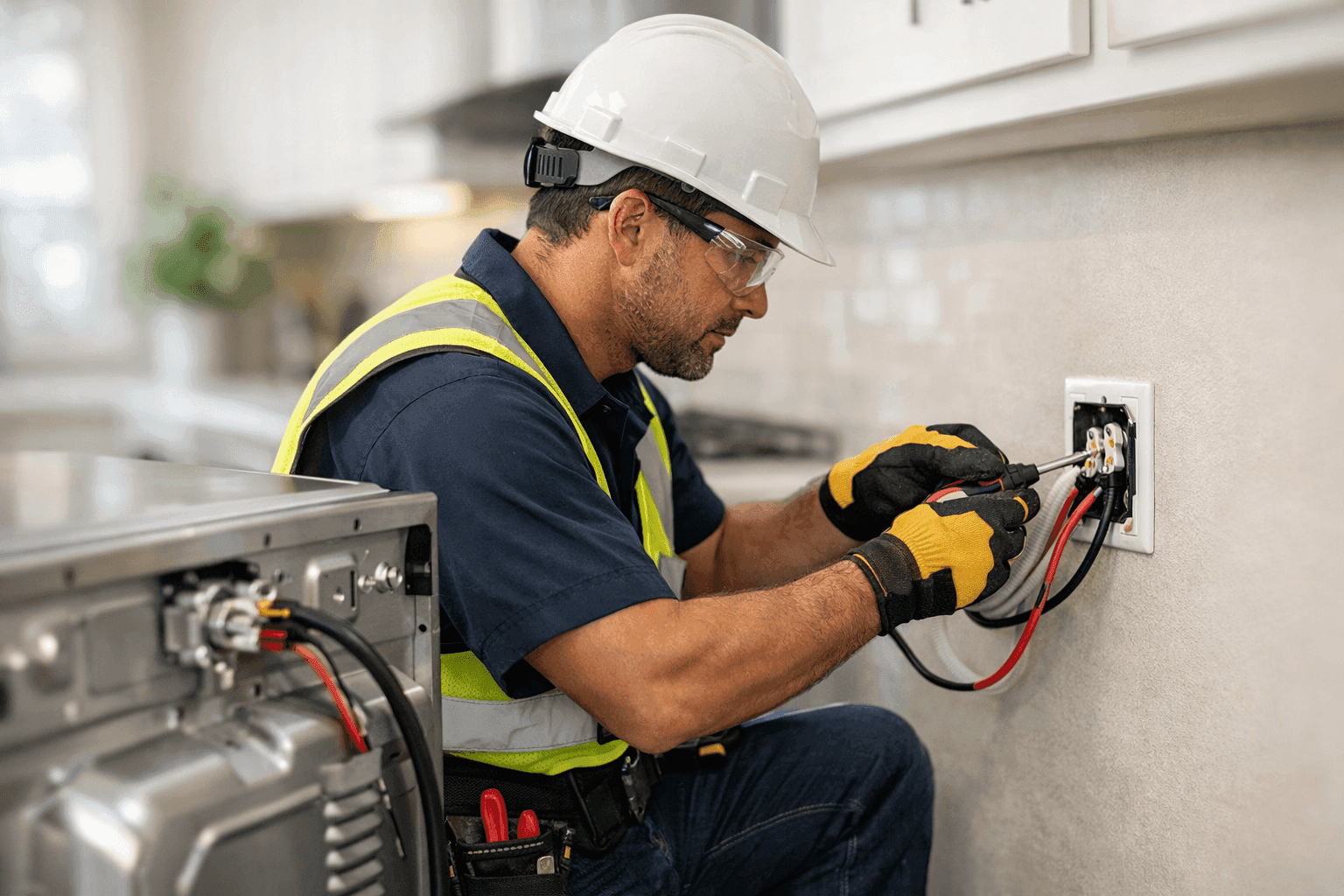
Choosing and installing new appliances can feel exciting—until you realize just how much rides on getting it right. One wrong connection and you could be facing flickering lights, tripped breakers, or even a safety hazard. At LintPro Electric, we’ve helped countless homeowners and businesses enjoy their upgrades pain-free. Here’s how to keep your installation smooth, safe, and up to code.
Why Safe Appliance Installation Matters
Imagine plugging in a new stove, only to watch sparks fly or smell something burning. Appliance mishaps aren’t just inconvenient—they can lead to damaged equipment, higher bills, or even fire. The right wiring, outlets, and setup protect your investment and your family. That’s why our electricians take every step seriously, treating your home or business as if it were their own.
Quick Safety Checklist Before You Start ⚡
- Is the appliance listed by a recognized testing lab (like UL or CSA)?
- Does your panel have enough capacity for the new load?
- Are your outlets properly grounded?
- Do you know if a dedicated circuit is required?
- Are you following manufacturer instructions and local codes?
- Is ventilation adequate for heat-producing appliances?
If you answer “no” or “I’m not sure” to any of these, pause. It’s better to double-check than to double back.
Dedicated Circuits: The Unsung Heroes
Think of your electrical panel as a busy train station. Each appliance needs its own track—especially high-powered ones like ovens, dryers, and some refrigerators. A dedicated circuit ensures your new gear isn’t sharing power with others, cutting the risk of overloads or nuisance tripping. Not sure what’s required? Residential code (NEC 210.52) spells out which appliances need their own line. For commercial kitchens or shops, requirements can be even stricter.
Choosing the Right Outlet and Wiring
Not all outlets are equal. Heavy-duty appliances often need 240V outlets or special plug shapes. Using the wrong type is like trying to fit a square peg in a round hole—at best, it won’t work; at worst, it’s dangerous. And the wiring behind the wall? That matters too. Undersized wire can overheat and fail. LintPro Electric’s wiring and circuits service makes sure everything matches your appliance’s needs.
Ventilation and Location: Don’t Box Yourself In
Some appliances, like dryers and ovens, give off heat or moisture. Without good airflow, you risk mold, overheating, or fire. Make sure your appliance’s location allows for space around vents. Follow the manufacturer’s clearance guidelines, and never block exhausts with cabinets or clutter.
Step-by-Step: Safe Appliance Installation
- Read the Manual: Even pros consult the instructions. Every model has quirks.
- Check Power Off: Always turn off power at the breaker before working on electrical connections.
- Inspect Old Wiring: Look for signs of wear, corrosion, or improper repairs.
- Match Connections: Use wiring diagrams to ensure correct polarity and grounding.
- Secure Fixtures: Mount appliances firmly so they don’t tip or shift.
- Test Everything: Turn power back on and check operation, including safety features.
- Final Inspection: Many installations require a safety inspection or code compliance check—especially for major appliances.
Common Mistakes to Avoid
- Skipping the grounding wire (essential for shock protection)
- Using extension cords for permanent appliances
- Overloading circuits with multiple large devices
- Failing to check for hidden water or gas lines during installation
- Ignoring clearance requirements for heat-producing equipment
These missteps can turn a simple upgrade into a headache—or worse, a hazard.
When to Call an Electrician vs. DIY
Replacing a toaster? Go ahead. Installing a wall oven or rewiring for a new dryer? That’s a job for a licensed electrician. If you’re not sure what your panel can handle, or if you need to run new wiring, it’s time to call in help. LintPro Electric’s certified team handles everything from installations to safety upgrades.
How the Pros Do It
When our electricians arrive, they review your electrical system, double-check code requirements, and walk through the job step by step. We never cut corners, and we always verify each connection before powering up. That’s how we help clients avoid costly mistakes and keep their homes and businesses safe.
Code Compliance: What You Need to Know
Local electrical codes are there for a reason. They set minimum safety standards for wiring, outlets, and circuits. For example, the National Electrical Code (NEC) requires GFCI outlets for kitchens and laundry rooms—these help protect against shock. Always check with your local building department or a qualified electrician to be sure you’re up to date.
Upgrades: Smart Appliances and Home Automation
Today’s smart appliances go beyond simple on/off switches. They can connect to your phone, manage energy use, and even alert you to problems. But they may need upgraded wiring, stronger Wi-Fi, or additional circuits. Planning for tomorrow’s tech means thinking ahead—not just plugging in and hoping for the best.
Signs of Trouble: When to Take Action
- Warm or discolored outlets
- Frequent breaker trips
- Buzzing, humming, or burning smells
- Appliance doesn’t start or shuts off unexpectedly
If you notice any of these, turn off power and call an electrician. Don’t wait for a small issue to become a big one.
Prevention and Maintenance
Once your appliance is installed, keep it running smoothly with regular checks:
- Inspect cords and plugs for damage
- Clean vents and filters
- Test safety features like GFCI outlets and shutoff switches
- Schedule periodic electrical safety inspections
A little maintenance goes a long way toward avoiding surprises.
Appliance Installation for Every Season
Moving into a new home? Renovating your kitchen? Or just replacing an old fridge before summer? Each season brings its own challenges—think holiday overloads in winter, or AC installs in summer. Plan ahead so your system isn’t stretched thin when you need it most.
Costs, Time, and What to Expect
Every project is unique. Installing a dishwasher might take an hour, while rewiring for a new range could take half a day. Costs depend on wiring needs, appliance type, and any code upgrades. Our team is happy to explain options, so you get the best fit for your budget and timeline.
Frequently Asked Questions
Do all appliances need dedicated circuits?
No, but many do—especially ovens, dryers, and some refrigerators.
Can I use an old outlet for a new appliance?
Only if it matches the required voltage, amperage, and grounding. Otherwise, it could be unsafe.
What if my breaker panel is full?
You may need a panel upgrade or sub-panel. An electrician can advise on your options.
Is it safe to use extension cords?
Never for permanent appliances. Extension cords are a short-term solution, not a substitute for proper wiring.
Why Choose Certified Installers?
Certified electricians follow safety standards laid out by the National Fire Protection Association (NFPA) and local codes. At LintPro Electric, our team is licensed, insured, and trained on the latest appliances and technologies. Plus, we support your manufacturer’s warranty—improper installation can void coverage.
If you’re searching for an electrician company with reliable Wiring & Circuits knowledge, LintPro Electric is ready to help.
Call LintPro Electric now — or reach us anytime at 844-484-8656 .