How to Choose the Right Outlets and Switches for Your Home
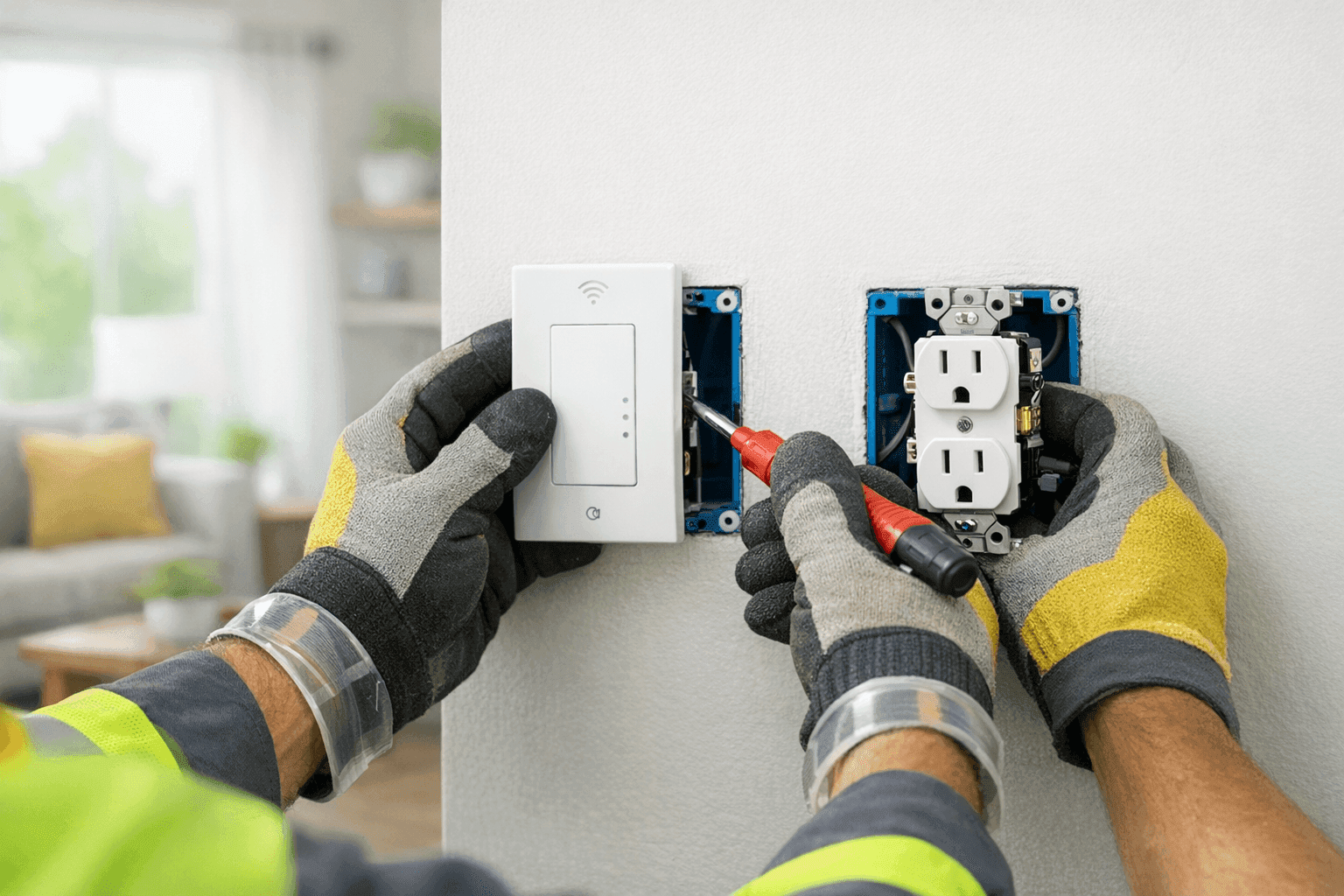
Is your home truly safe behind the walls? Outlets and switches are like the gatekeepers of your electrical system—small, but mighty. Choosing the right ones isn’t just about convenience or style. It’s about keeping your family safe, your appliances protected, and your daily life running smoothly.
At LintPro Electric, we know outlets and switches are an unsung hero in any home or business. The right choices can prevent fires, save energy, and even make life easier. Let’s break down what really matters when it comes to selecting these essential devices.
Why Outlet and Switch Selection Matters
Think of your electrical system as a river, and outlets and switches as the locks and dams that keep everything flowing safely. Pick the wrong ones, and you might end up with a flood—or worse.
- Safety: The wrong device can mean shock hazards or even fire. The right one keeps risks low.
- Usability: The right switch or outlet means no more hunting for adapters or tripping over extension cords.
- Longevity: Quality devices last longer, saving money on repairs and replacements.
Poor choices linger like a leaky faucet—annoying, wasteful, and potentially dangerous.
GFCI Outlets: Your First Line of Defense ⚡
Ground Fault Circuit Interrupter (GFCI) outlets are required by code in wet areas: bathrooms, kitchens, laundry rooms, garages, and outdoor spaces. They’re like lifeguards for your circuits—cutting power instantly if they sense a stray current.
Key points:
- Required by the National Electrical Code (NEC) in specific locations.
- Essential for protection against shocks where water is present.
- Easy to spot with their "Test" and "Reset" buttons.
Tip: If your older home doesn’t have GFCI outlets near sinks or outside, it’s time for an upgrade.
AFCI Outlets: Stopping Fires Before They Start
Arc Fault Circuit Interrupters (AFCIs) sniff out dangerous electrical arcs—tiny sparks that can start fires behind walls. AFCIs are especially important in bedrooms and living rooms.
What you need to know:
- Newer codes call for AFCI protection in many living spaces.
- AFCIs are required for most new residential circuits.
- Some outlets combine GFCI and AFCI for maximum protection.
Why it matters: According to the Electrical Safety Foundation International (ESFI), AFCIs help prevent half of all electrical fires. That’s peace of mind you can’t put a price on.
Tamper-Resistant Outlets: Keeping Kids Safer
If you have children or run a business with young visitors, tamper-resistant (TR) outlets are a must. They have built-in shutters that only open when both prongs of a plug are inserted at once—keeping little fingers safe.
Highlights:
- Required by code in new or renovated homes.
- Look for a "TR" mark on the outlet face.
- No more plastic outlet caps that get lost or chewed.
USB Outlets: Modern Convenience, Built In
Tired of hunting for USB chargers? Outlets with built-in USB ports are the answer. They’re perfect for kitchens, bedrooms, and offices—anywhere you charge phones or tablets.
Advantages:
- Charge devices directly, saving outlet space.
- Available in various configurations (USB-A, USB-C).
- Some models offer fast-charging capabilities.
Placement tip: Install USB outlets where you charge devices most—by nightstands, kitchen counters, or desks.
Smart Switches: Control at Your Fingertips
Smart switches bring lighting control into the 21st century. With Wi-Fi or Bluetooth connectivity, you can control lights and even appliances from your smartphone, voice assistant, or scheduled routines.
Benefits:
- Remote access: Turn lights on/off from anywhere.
- Energy savings: Automate lighting schedules.
- Security: Simulate occupancy when you’re away.
Use cases: Entryways, living rooms, and outdoor lighting are all great spots for smart switches.
Where to Place Outlets and Switches: Room-by-Room Guidelines
Every room has different needs. Here’s a quick breakdown:
Kitchens:
- GFCI outlets within 6 feet of sinks.
- Countertop outlets every 4 feet.
- Consider USB outlets near charging stations.
Bathrooms:
- GFCI outlets only.
- Place near vanities, but away from direct water sources.
Bedrooms & Living Rooms:
- AFCI outlets (per code).
- Tamper-resistant outlets if children are present.
- Smart switches near main entrances.
Home Offices:
- USB outlets for gadgets.
- Sufficient spacing for printers, computers, and lamps.
Garages & Outdoors:
- GFCI outlets only.
- Weatherproof covers for outdoor devices.
Reference: Always check the latest NEC requirements or work with a qualified electrician to ensure compliance.
Meeting Code Requirements: Safety Isn’t Optional
Electrical codes aren’t just red tape—they’re recipes for safety. Here’s why following them matters:
- Prevents shocks and fires.
- Ensures insurance coverage isn’t voided by non-compliance.
- Needed for real estate transactions and occupancy permits.
Pro tip: Codes change. What was safe 10 years ago may not be safe (or legal) now. Consult the NEC or your local authority.
Working with an Electrician: Safe Upgrades and Inspections
Upgrading outlets and switches isn’t always a DIY job. Here’s what a professional brings to the table:
- Identifies outdated, unsafe, or overloaded devices.
- Recommends the best outlets for each room and use.
- Ensures all work meets the latest code requirements.
- Performs safety checks on wiring, breakers, and connections.
When you work with LintPro Electric, you get peace of mind that your home’s electrical system is both safe and future-ready. For more on professional upgrades, see our Residential Services.
Common Mistakes When Upgrading Outlets and Switches
It’s easy to get overwhelmed. Here are pitfalls to avoid:
- Using the wrong type (e.g., non-GFCI in bathrooms).
- Overloading circuits by adding too many outlets.
- Ignoring code updates.
- Skipping tamper-resistant outlets in homes with kids.
Play it safe. If in doubt, call an electrician.
Quick Safety Checklist Before You Start
- Turn off power at the breaker—never trust a wall switch alone.
- Test outlets/switches with a voltage tester.
- Use only devices rated for your home’s voltage and amperage.
- Never mix old and new wiring without proper connectors.
- Check for signs of wear, burning, or loose connections.
Signs Your Outlets or Switches Need an Upgrade
Watch for these red flags:
- Outlets are warm, discolored, or have a burning smell.
- Plugs fall out easily.
- Crackling sounds when switching on.
- Frequent tripped breakers.
- No GFCI/AFCI protection in required areas.
Any of these signs? It’s time to call in a pro.
How Upgrades Improve Safety and Everyday Life
Modern outlets and switches do more than keep you safe. They:
- Reduce nuisance tripping and flickering.
- Protect sensitive electronics from power surges.
- Make homes more energy-efficient.
- Boost property value for resale.
FAQ: Outlets and Switches
Q: Can I mix old and new outlets?
A: You can, but it’s not recommended—especially with outdated two-prong outlets. Always update to grounded, code-compliant devices.
Q: How often should I have my outlets and switches checked?
A: At least every 5–10 years, or after major renovations.
Q: Are smart switches hard to install?
A: Some require neutral wires and Wi-Fi setup. Professional installation ensures compatibility and safety.
Timeline & Disruption: What to Expect
Most upgrades take a few hours to a full day, depending on home size and scope. You may need to shut off power to certain rooms, so plan ahead. For large projects, ask your electrician about phased work to minimize disruption.
Prevention & Maintenance: Staying Ahead of Trouble
- Schedule regular electrical safety inspections.
- Test GFCI outlets monthly (press "Test" then "Reset").
- Replace any device that’s cracked, loose, or shows signs of damage.
- Don’t overload outlets with power strips or adapters.
Routine checks keep small problems from becoming big headaches.
When to Call for Emergency Service
If you notice burning smells, sparking outlets, or sudden loss of power, don’t wait. Shut off the main breaker and call for emergency service. LintPro Electric offers 24-hour response for urgent electrical issues.
Local Expertise: LintPro Electric in Your Area
For residents and businesses seeking an electrician company who truly understands modern safety standards and installation best practices, LintPro Electric is here to help.
Ready for Safer, Smarter Outlets and Switches?
Choosing the right outlets and switches is a smart investment in your home’s safety and convenience. For tailored advice, safe upgrades, and professional inspections, reach out to LintPro Electric today.
Call LintPro Electric now — or reach us anytime at 844-484-8656 .