How to Plan and Install a Home Backup Generator
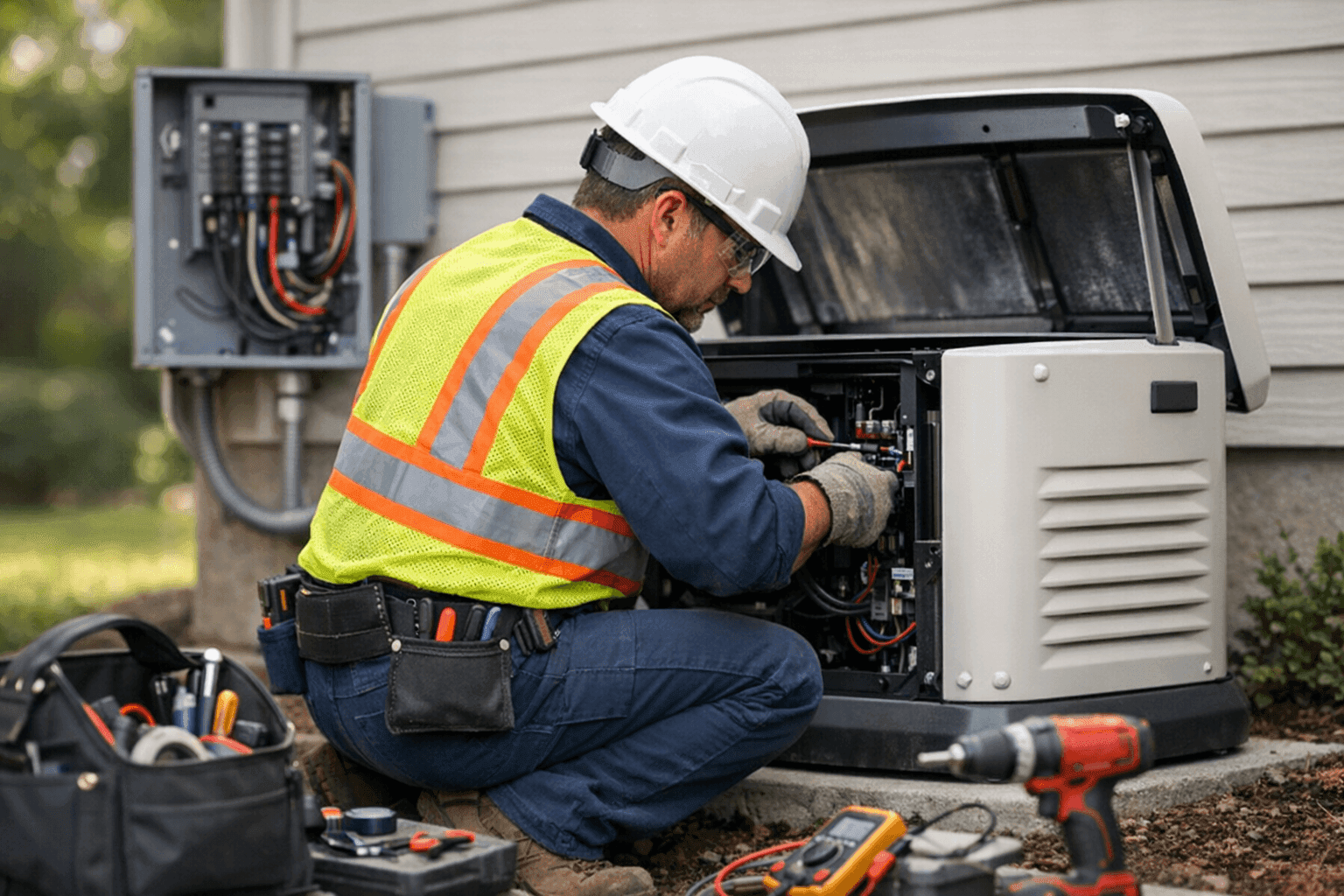
When the lights go out, life comes to a standstill. That hum of the fridge, the gentle whir of your heater, the glow from your kitchen—gone in an instant. Storms, grid failures, or rolling blackouts don’t wait for convenience. But with the right backup generator, your home or business never misses a beat.
At LintPro Electric, we know your peace of mind depends on power you can trust. Planning your backup generator isn’t just about choosing hardware. It’s about protecting everything that matters most—family, business, comfort, safety.
Why Backup Generators Matter
Imagine a stormy night. Power flickers, then vanishes. Without backup, you’re left in the dark, food spoiling, alarm systems down, and essential medical equipment silenced. For many, that’s more than an inconvenience—it’s a risk.
Backup generators step in like a safety net. They keep essentials running. Refrigerators, sump pumps, internet routers, and security systems stay on. For businesses, downtime means lost revenue and security risks. For homes, it’s about safety, comfort, and protecting what you value.
How to Choose the Right Size Generator
Selecting the right generator is like picking the right-sized boots. Too small, and you’ll be left cold and unprotected. Too big, and you’ll waste resources.
Here’s how to size it:
- List critical circuits: What must stay on? Think fridge, HVAC, lights, sump pump, and Wi-Fi.
- Add up wattage: Every device uses watts. Check labels or manuals.
- Factor in startup surges: Some appliances, like AC units, need more juice to start than to run.
- Allow for growth: Planning an addition? Electric vehicle? Choose a unit that can handle future needs.
The National Electrical Code (NEC) offers guidance on safe sizing—your electrician will reference this.
Selecting a Generator: Types and Features
Generators come in two main types:
- Portable generators: Good for limited needs and temporary setups. They require manual start and fuel handling.
- Standby generators: Permanently installed, automatic, and wired directly to your electrical panel. They kick in seconds after an outage.
Look for these features:
- Automatic transfer switch (ATS)
- Fuel type (natural gas, propane, diesel)
- Weatherproof housing
- Noise rating (especially in residential areas)
- Warranty and service support
Planning the Installation Location 🏡
Location matters—a lot. Your generator needs to breathe, stay dry, and remain safe from flooding. Place it:
- On a level, stable surface outside (never indoors or in garages)
- At least five feet from doors, windows, and vents (per manufacturer and local code)
- Where exhaust can flow freely away from living spaces
Always check local building codes and HOA rules before installing.
The Transfer Switch: Heart of Safe Operation
The transfer switch is your generator’s traffic cop. It switches your home’s circuits from street power to generator power safely. It prevents dangerous back-feeding into the utility grid, which can endanger line workers and neighbors.
Automatic transfer switches are standard for standby generators. Manual options exist for portables but require careful handling.
Permits and Code Compliance: No Corners Cut
Electrical work isn’t a guessing game. Permits are required in most places for generator installations. They ensure:
- Work meets current NEC standards
- Installations are inspected by local authorities
- Safety for your home, family, and first responders
LintPro Electric handles all necessary permits and keeps your project code-compliant from start to finish.
The Installation Process: Step by Step
Here’s what happens when you hire a licensed electrician:
- Site assessment: We inspect your panel, circuits, and available space.
- Sizing and selection: We match your needs to the right generator and transfer switch.
- Permitting: All paperwork filed with the local authority.
- Pad and wiring install: We pour a concrete pad (if needed) and run wiring from generator to transfer switch and main panel.
- Fuel connection: Licensed plumbers connect natural gas or propane lines.
- Testing: We simulate an outage and confirm everything works as it should.
- Training: We show you how to monitor and maintain your generator.
Curious about local code or the process? The National Fire Protection Association (NFPA 110) and NEC have detailed requirements for standby generator installations. Always insist your installation follows these.
Costs and Timeline: What to Expect
No two projects are alike. Here’s what factors in:
- Generator size and brand
- Distance to fuel source and electrical panel
- Local permitting fees
- Complexity of wiring and transfer switch installation
Typical home standby installations can take one to three days, depending on site conditions and weather. We’ll outline costs and timelines clearly before work begins.
Ongoing Generator Maintenance Matters ⚡
Like any engine, your generator needs regular care. Maintenance keeps it ready for the moment you need it.
- Run monthly self-tests (most modern units do this automatically)
- Check fuel, oil, and coolant levels
- Replace filters and spark plugs annually
- Clean debris from around the unit
LintPro Electric offers scheduled maintenance plans—so your generator always runs when it matters.
Code Compliance: Staying Safe and Legal
Ignoring codes is like driving without seatbelts. It’s risky, and it’s not worth it. NEC, NFPA, and local codes exist to prevent fires, carbon monoxide leaks, and other hazards.
- Only licensed electricians should connect your generator to your home’s panel
- Transfer switches must be properly rated for your system
- Never bypass safety devices or DIY high-voltage wiring
Looking for Low Voltage Systems near you? Our team is fully trained in all major code requirements for residential and commercial generator installations.
DIY vs. Hiring an Electrician
Can you DIY a generator install? In a word: no. Connecting backup power to your home’s panel without the right experience is dangerous. Risks include:
- Shock or electrocution
- Fire hazards
- Damage to your appliances
- Voiding your homeowner’s insurance
A licensed electrician ensures your investment is safe, legal, and long-lasting. LintPro Electric’s generator installers are fully certified and insured for your protection.
What Happens During a Power Outage
Here’s how a standby generator works:
- Outage detected: The system senses a loss of utility power.
- Generator starts: Within seconds, it fires up automatically.
- Transfer switch shifts load: Power flows seamlessly to your critical circuits.
- Power restored: When utility service returns, the system switches you back and shuts down the generator.
No scrambling in the dark, no extension cords snaking through your home. Just steady, reliable power.
Common Generator Mistakes to Avoid 🚫
- Choosing the wrong size for your needs
- Skipping permit and code requirements
- Placing the generator too close to windows or doors
- Forgetting routine maintenance
- Ignoring warning lights or error codes
A little planning—or the right electrician—avoids these pitfalls.
Seasonal and Emergency Considerations
Storm season or hurricane warnings? Test your generator now, before you need it. Keep spare fuel (if applicable) and clear debris or snow from around your unit.
If you rely on critical medical devices, let your electrician know. We’ll help you prioritize circuits and ensure seamless operation.
Signs Your Generator Needs Service
- Delayed or failed starts during monthly tests
- Unusual noises or vibrations
- Fuel or oil leaks
- Warning lights on the control panel
Don’t wait for the next outage—call us for timely repairs and maintenance.
Frequently Asked Questions
How long will my generator run?
Depends on fuel type and tank size. Most standby units run as long as you have fuel—days, not hours.
Will it power my whole house?
We can design systems for partial or whole-house coverage, depending on your needs and budget.
Is it noisy?
Modern units are quieter than a lawnmower. Placement and housing reduce noise further.
What about warranty support?
LintPro Electric works with leading brands and supports all manufacturer warranties.
Why Choose LintPro Electric for Your Backup Generator?
Our licensed installers are trained for residential and commercial projects. We handle everything—from Installations to Panels & Breakers—with precision and care. If you’re searching for a professional electrician company in Davie, our electrician team is ready to help.
Power outages are stressful. Planning your backup generator shouldn’t be. Let LintPro Electric keep your home or business running—rain or shine.
Call LintPro Electric now — or reach us anytime at 844-484-8656 .