How to Prepare for a Power Outage: Generator Solutions Explained
When the lights go out, life doesn’t just pause. The fridge keeps warming up. Security systems blink out. Families and businesses are left in the dark—sometimes quite literally. At LintPro Electric, we’ve seen firsthand how a well-prepared plan can make all the difference.
Power outages can strike in the middle of summer storms or winter’s icy grip. They turn quiet evenings into emergencies. That’s why it’s important to get ahead of the next blackout with the right backup generator solution. Let’s break down what you need to know—before you’re left scrambling for candles.
Why Do Power Outages Happen? Who’s Most at Risk?
No one is immune. Outages are as unpredictable as a summer thunderstorm. A squirrel can chew a line. A transformer might fail. High winds, ice, and lightning can snap power poles like matchsticks. Even routine maintenance or upgrades might leave your neighborhood in the dark.
Who’s most at risk? If you live in areas with frequent storms, heavy snow, or unreliable grids, you’re at the top of the list. But so are families who rely on medical equipment, businesses with perishable inventory, and anyone working from home. The risk is real—whether you’re running a small café or caring for kids and grandparents.
The Quick Safety Checklist Before a Blackout Hits ⚡
- Know where your flashlights and batteries are—don’t wait until the lights go out.
- Unplug sensitive electronics to avoid surges.
- If you use medical devices, make sure you have a backup plan.
- Have a list of emergency contacts handy, including your electrician.
- Check your generator’s fuel and oil levels if you have one.
Preparation isn’t just about comfort—it’s about safety and peace of mind.
Portable vs. Standby Generators: Which One Fits Your Needs?
Portable generators are like your trusty umbrella—easy to grab when rain clouds gather. They’re affordable, simple to move, and can power a few essentials. Plug in your fridge, some lights, maybe charge your phone. But they’re noisy, need manual setup, and require you to refuel them.
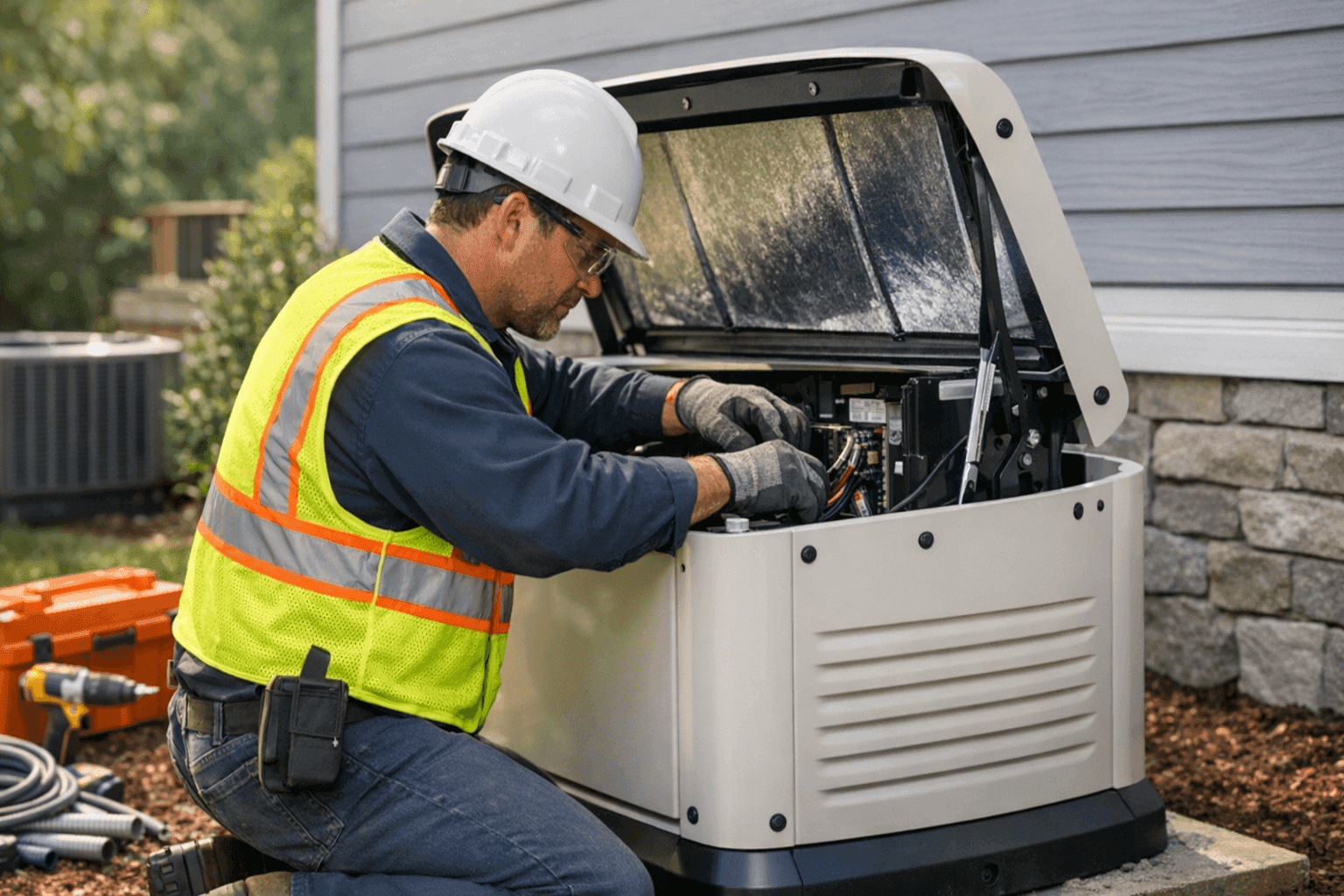
Standby generators, on the other hand, are like having a roof over your head. They’re permanently installed, ready to kick in automatically when the power drops. They can run your whole house or business, including HVAC, security systems, and major appliances. No scrambling in the dark.
Key Differences:
- Portable Generators:
- Good for short outages or a few devices.
- Manual start, portable, less expensive.
- Needs safe outdoor placement to avoid carbon monoxide.
- Standby Generators:
- Automatic, whole-home or business coverage.
- Permanently installed by a licensed electrician.
- More expensive, but much more convenient and safer.
Choosing between the two depends on your budget, needs, and whether you want to live with extension cords or seamless comfort.
Sizing Your Generator: Don’t Guess—Calculate
A generator that’s too small leaves you in the lurch. One that’s too big wastes money and fuel. The right size depends on what you want to keep running.
Start with a list:
- Essentials: fridge, freezer, sump pump, heat, medical devices.
- Nice-to-haves: lights, Wi-Fi, TV, garage door opener.
- Business needs: registers, coolers, security systems, computers.
Add up the wattage for each. The total tells you the minimum output you need. LintPro Electric always recommends a professional assessment. We size generators to match your home or business—no guesswork, no risk.
Fuel Types: What’s Right for You?
Generators are hungry machines. The fuel you choose matters for convenience, cost, and runtime.
- Gasoline: Easy to find, but not great for long-term storage. Best for portable models.
- Propane: Clean burning, easy to store, doesn’t degrade. Good for both portable and standby.
- Natural Gas: Direct connection, never runs out as long as supply is good. Ideal for standby generators.
- Diesel: Long shelf life, powerful, but less common in residential settings.
Think about what’s readily available, especially during a widespread outage. Propane and natural gas are popular for Backup Generators in many communities.
Installation Requirements: Safety Isn’t Optional
Installing a generator isn’t a weekend project. It’s not like assembling a bookshelf. Local electrical codes, fire regulations, and manufacturer guidelines must be followed to the letter.
For portable generators:
- Always operate outdoors, away from windows and doors.
- Use heavy-duty extension cords rated for the load.
- Never backfeed a generator into your home’s wiring—it’s illegal and deadly.
For standby generators:
- Requires a solid concrete pad, safe clearance, and professional electrical and gas connections.
- Must be installed by a licensed electrician to meet National Electrical Code (NEC) requirements.
- Includes a transfer switch to safely isolate your home from the grid during an outage.
LintPro Electric handles every detail, from permits to final inspections, for peace of mind.
Maintenance: Keep Your Generator Ready
Generators are like cars—they need regular care to be there when you need them.
- Start and run your generator monthly (even if you haven’t lost power).
- Change oil and filters as recommended by the manufacturer.
- Keep fuel fresh. Add stabilizer if storing gasoline.
- Inspect for leaks, corrosion, and rodent nests.
- Schedule annual professional inspections, especially for standby units.
The Electrical Safety Foundation International (ESFI) recommends routine checks to make sure your system is always ready.
Code Compliance: Why It’s More Than Paperwork
Electrical codes aren’t just red tape—they’re there to protect lives and property. Improper installation can lead to fires, carbon monoxide poisoning, or even electrocution.
- Only use UL-listed transfer switches and equipment.
- Follow all local zoning and permitting rules.
- Standby generators must be installed by a licensed electrician.
LintPro Electric stays up to date with all codes and regulations. We handle the paperwork so you can focus on what matters most.
When to Call a Professional (and Why DIY Can Be Risky)
You might be handy with a toolbox, but generator installation is a different beast. Mistakes can be costly—or dangerous.
Call a professional electrician if:
- You’re not sure about sizing, wiring, or fuel lines.
- You want a permanently installed standby generator.
- You have unique needs (medical devices, business continuity, sensitive electronics).
- You want code-compliant installation and inspections.
Our team at LintPro Electric delivers safe, reliable solutions—no guesswork required.
What to Expect: The Professional Generator Assessment
A professional assessment is like a roadmap. We walk through your property, review your power needs, and identify the right generator for you.
- Review critical loads (what MUST stay on).
- Calculate total wattage required.
- Evaluate fuel supply and storage.
- Check existing electrical panels and wiring.
- Discuss future-proofing (adding more loads later).
We’ll provide a detailed plan, timeline, and clear recommendation—no surprises.
Generator Costs and Timeframes: What’s Realistic?
Costs vary. Portable generators can start in the hundreds, while standby systems can reach several thousand dollars—including installation, permits, and materials.
- Portable generator: Lower up-front cost, but requires manual operation and fuel storage.
- Standby generator: Higher up-front, but increases property value, comfort, and safety.
Installation can take from one day to a week, depending on complexity, weather, and supply chain factors. We work quickly and efficiently, minimizing disruption.
Common Generator Mistakes (And How to Avoid Them) ⚠️
- Undersizing your generator—leaving you without enough power.
- Poor placement—risking carbon monoxide poisoning.
- Skipping maintenance—leading to failure when you need it most.
- DIY wiring—voiding warranties and risking fire or shock.
- Ignoring code requirements—leading to fines or insurance issues.
LintPro Electric helps you steer clear of these pitfalls.
Staying Safe During an Outage: Practical Tips
- Never run a generator inside your home, garage, or basement.
- Install carbon monoxide detectors in your home or business.
- Keep fuel safely stored and away from heat sources.
- Follow manufacturer instructions at every step.
- Check cords and connections for damage before each use.
Safety first, always.
Seasonal Considerations: Preparing for Storms and Heatwaves
Power outages don’t follow a calendar.
- In winter, keep pipes from freezing and heating systems running.
- In summer, protect food, cool your space, and keep business critical systems online.
- Schedule generator servicing before storm seasons, not after.
A little foresight now can save big headaches later.
Generator FAQs: Answers to Common Questions
How long can a generator run?
Depends on the fuel type and load. Portable generators: typically 8–12 hours per tank. Standby models: as long as there’s fuel.
Can I run my HVAC on a generator?
With proper sizing and installation, yes—especially with a standby model.
Will my insurance cover a generator?
Some policies offer coverage; check with your agent.
How do I know if my generator is big enough?
A professional assessment is the only way to be sure.
Get Ready—Stay Powered Up
You don’t have to wait for the next blackout to take action. Reliable generator solutions keep your home or business safe, comfortable, and running—no matter what the weather or grid throws your way.
Need help from an experienced electrician? Explore our Backup Generators or Residential Services pages for more information.
Call LintPro Electric now — or reach us anytime at 844-484-8656 .