How to Prepare for an Electrical System Upgrade
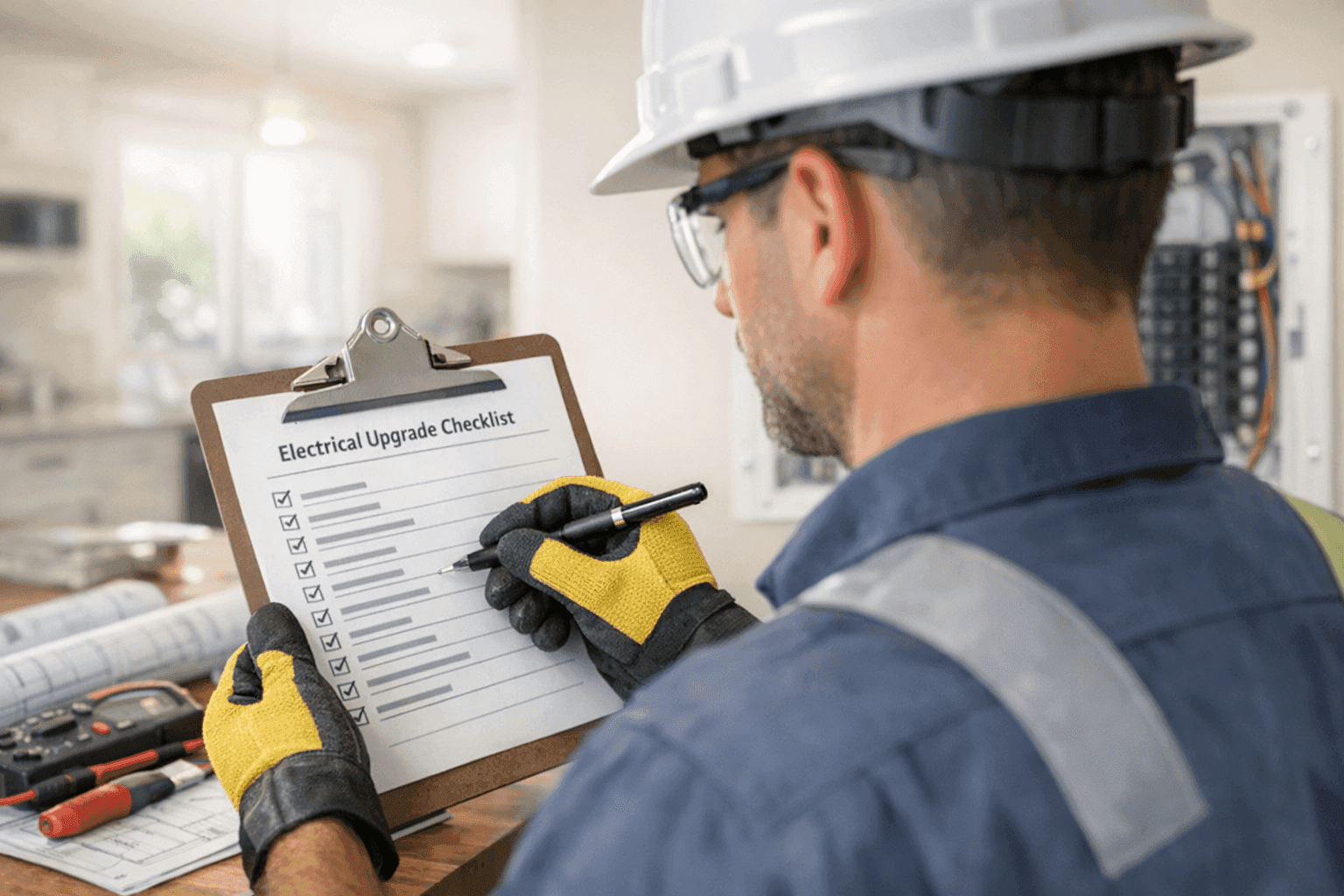
Upgrading your electrical system isn’t just another item on your to-do list. It’s a big step—one that can keep your family or business safer, more efficient, and ready for the future. Whether you’re adding high-tech appliances, planning for electric vehicles, or updating old wiring, preparation is key. At LintPro Electric, we know what’s at stake every time you flip a switch.
Let’s walk through what you should know before, during, and after your electrical upgrade. These steps will help you avoid common pitfalls and make sure the process is smooth, safe, and straightforward.
Why Upgrade? Recognizing the Need
Imagine your electrical system as the heart of your property. If it’s not pumping enough power, everything else struggles. Common signs you need an upgrade include:
- Flickering or dimming lights
- Frequent breaker trips
- Outdated panels or wiring (think: knob and tube, or aluminum wiring)
- Not enough outlets for your needs
- Planning for new equipment, EV chargers, or major renovations
If any of these sound familiar, it’s time to consult with a licensed electrician.
Step One: Clear Access to Work Areas 🛠️
Start by making sure all panels, outlets, and wiring routes are easy to reach. Move furniture, unplug appliances, and clear away stored items in basements, garages, or utility rooms. Easy access means safer, faster work for your electrician—and less risk to your belongings.
Tip: Mark any areas that are hard to move or contain delicate items. Let your electrician know ahead of time.
Step Two: Document Your Needs & Concerns
Before the first wire gets touched, write down your goals and questions:
- Are you adding high-powered appliances or an EV charger?
- Do you want more outlets or smarter lighting controls?
- Any rooms with special needs (like a home office or workshop)?
- Have you experienced recurring issues, like outlets that get warm or breakers that trip?
This “wish list” helps your electrician design a system that truly fits your life or business, not just meets code.
Step Three: Discuss the Plan with a Professional
Don’t go it alone. Electrical upgrades are like surgery for your home’s nervous system. Schedule a walkthrough with a pro who understands everything from Low Voltage Systems near you to complex machine wiring.
A good electrician will:
- Review your goals and inspect current wiring
- Explain options (including energy-saving upgrades)
- Provide a written estimate and clear timeline
- Flag any immediate safety risks
At LintPro Electric, we believe in transparency from the first handshake. We’ll answer your questions and outline the best path forward.
Step Four: Permits, Codes, and Paperwork
Electrical work isn’t just about wires—it’s about following the rules. Most major upgrades require permits and inspections. Your electrician will handle this, but it’s smart to know what’s involved:
- Local building code compliance (refer to the National Electrical Code for safety standards)
- Scheduling city inspections
- Documenting changes for insurance or resale
Ask for copies of all permits and inspection reports for your records.
What Happens Before the Upgrade Starts?
Preparation is half the battle. Here’s what to expect in the days leading up to your project:
- Site Visit: Your electrician assesses the job, confirms your goals, and checks the condition of wiring, panels, and breakers.
- Material Delivery: Expect some boxes—breakers, wire, outlets, panels—arriving ahead of the team.
- Shutoff Planning: Some or all power may need to be turned off. Plan for fridge, computer, or business downtime.
- Safety Reminders: Keep children and pets away from work areas.
During the Upgrade: What Will You See? ⚡
The work itself can look chaotic, but there’s a method to the madness. Here’s a quick breakdown:
- Old wiring and panels may be removed.
- New circuits, outlets, and breakers are installed.
- Surge protection or backup generators might be added.
- Electricians will test connections, label panels, and check for hazards.
You might hear drilling, see dust, and notice crews moving in and out. Most upgrades take a day or two for homes, longer for complex commercial projects.
Pro Tip: Ask your electrician about their cleanup process. A tidy site is a sign of respect for your space.
After the Work: Final Inspections and Testing
Once the last wire is in place, it’s time for testing. Your electrician will:
- Power up the new system
- Test every circuit, outlet, and safety device
- Make sure everything meets code
City inspectors may visit to give the final green light. Only after this should you start plugging in appliances or equipment.
Post-Upgrade Safety Checks 🔍
Safety doesn’t end when the electrician leaves. Here’s what you should do:
- Test smoke and carbon monoxide detectors (and replace batteries if needed)
- Ensure all GFCI and AFCI outlets work by pressing their test/reset buttons
- Check that all lights, outlets, and switches function as expected
- Note and report any odd smells, buzzing, or warm outlets
Keep an eye on things for the first week. If something feels off, call your electrician right away.
How to Maintain Your Upgraded System
A new electrical system is like a fresh start. Here’s how to keep it running smoothly:
- Schedule regular electrical safety inspections (recommended every 3–5 years for homes; more often for businesses)
- Don’t overload outlets or circuits
- Label your breaker panel clearly for quick reference
- Invest in surge protection for electronics
Refer to the National Fire Protection Association (NFPA) for best practices on electrical safety in residential and commercial settings.
Common Mistakes to Avoid
Avoid these pitfalls for a safer, smoother upgrade:
- Skipping permits or inspections
- Hiring unlicensed or uninsured electricians
- Ignoring old or damaged wiring
- Forgetting to plan for future needs (like EV charging or smart home upgrades)
A little planning goes a long way.
Frequently Asked Questions
How long will my power be out?
Most residential upgrades require a few hours of downtime. Commercial projects may take longer. Your electrician will provide a schedule.
Do I need to move out during the upgrade?
Usually not, unless a full rewiring is needed. Discuss with your electrician for large-scale work.
Will my insurance rates change?
Upgraded electrical systems can make your property safer—some insurers may even offer discounts. Check with your provider.
When Is It an Emergency?
Certain electrical problems can’t wait:
- Burning smells from outlets or panels
- Visible sparks or smoke
- Repeated breaker trips that don’t reset
If you experience any of these, contact emergency electrician services immediately. LintPro Electric offers 24-hour support for urgent situations.
What Sets LintPro Electric Apart
We’re not just another electrician company. Our team handles everything—from basic outlets and switches to full-scale Electrical System Installation—with care, clarity, and respect for your property. Our process is transparent from start to finish, and our upgrade specialists are always ready to answer your questions.
Ready to Start? Let’s Talk
Preparing for an electrical system upgrade doesn’t have to be stressful. With the right steps, you’ll keep your property safe, efficient, and future-proof. For professional advice, clear communication, and reliable electrical-system-installation, LintPro Electric is here to help.
Call LintPro Electric now — or reach us anytime at 844-484-8656 .