How to Prepare for a Professional Electrical Safety Check
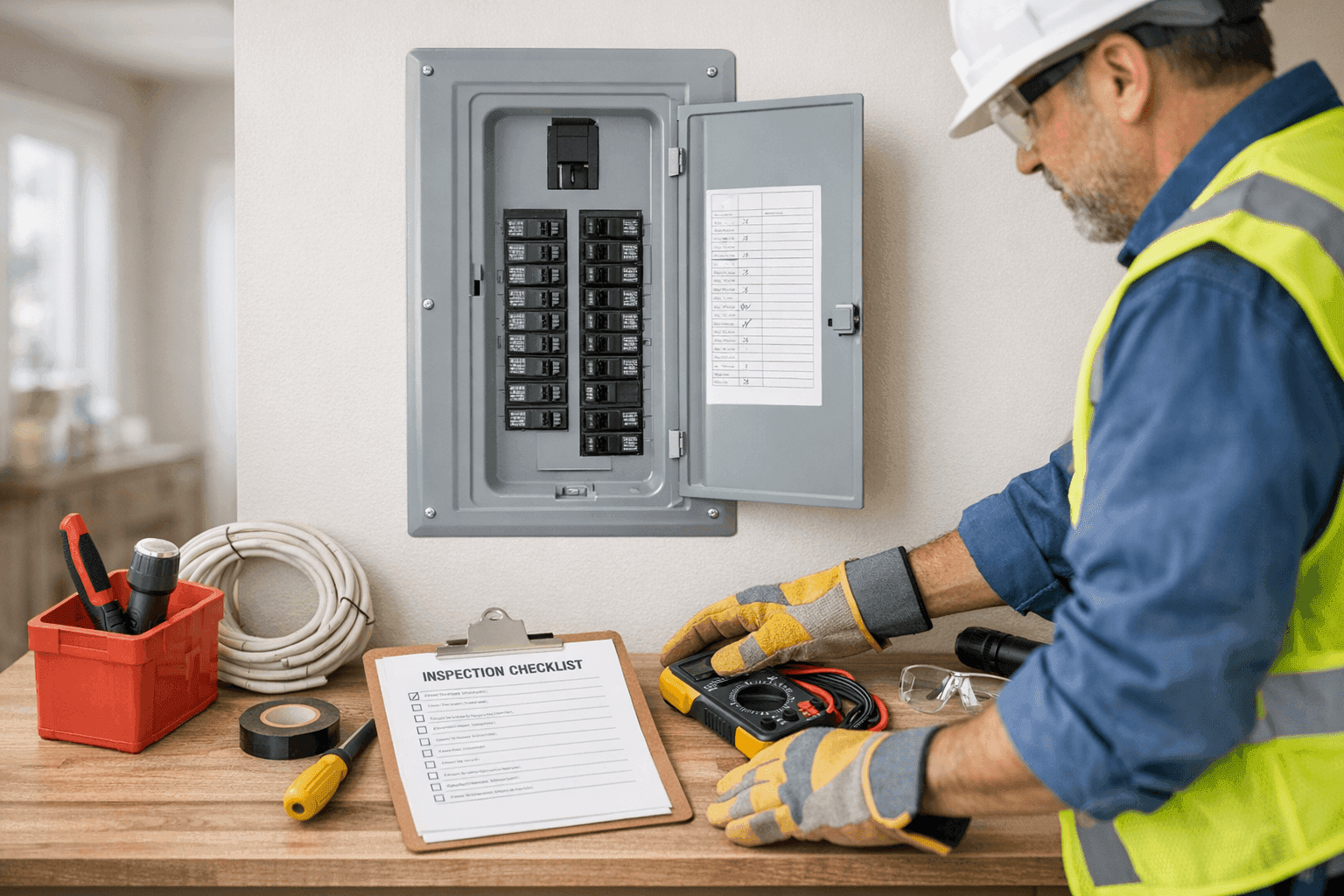
When was the last time you really thought about your electrical system? For most homeowners and business owners, it’s out of sight, out of mind—until something flickers, pops, or fails. But much like a car needs regular tune-ups, your property’s wiring needs a check-up too.
At LintPro Electric, we see firsthand how a little preparation before your professional electrical safety check can make the process faster, smoother, and more effective. It’s about keeping your family, employees, and investments safe—without the stress.
What Is an Electrical Safety Check? ⚡
An electrical safety check is a thorough assessment carried out by a licensed electrician. Think of it as a health exam for your electrical system. The electrician inspects wiring, panels, outlets, switches, and connected devices to ensure everything meets current safety codes and operates correctly.
This isn't just a quick peek behind the curtain. It's a systematic process, guided by standards like the National Electrical Code (NEC) and recommendations from the Electrical Safety Foundation International (ESFI). The goal? Spot risks before they spark trouble—and help you avoid costly repairs or dangerous accidents down the road.
How to Prepare Your Property
Preparation is half the battle. Here’s how to make the inspection easy for both you and your electrician:
- Clear access to electrical panels, circuit breakers, and major appliances. Move furniture, boxes, or anything blocking panels.
- Unlock rooms or cabinets where electrical equipment is stored.
- Secure pets in a separate room so the electrician can work safely and without distractions.
- Replace any burnt-out bulbs so all lighting circuits can be tested.
- If you have outdoor systems (pools, spas, generators), make sure gates are unlocked and paths are clear.
A little effort here saves time and helps your inspection go off without a hitch.
Documents and Questions to Gather
Having the right paperwork on hand helps your electrician work smarter:
- Past inspection reports and any repair invoices.
- Electrical diagrams or blueprints, if available.
- List of recent upgrades—like new appliances, EV chargers, or renovations.
- Notes on previous issues: flickering lights, tripped breakers, or buzzing outlets.
It’s also wise to jot down any questions you have. Examples:
- Are my smoke and carbon monoxide detectors up to date?
- Is my current wiring safe for today’s electronics?
- Should I consider surge protection or a panel upgrade?
These questions help tailor the inspection to your real concerns.
Steps to Take Before Your Electrician Arrives
A few last-minute checks can make a world of difference:
- Turn off sensitive electronics if you’re concerned about brief power interruptions during testing.
- Check the weather—if storms are expected, outdoor work may need to be rescheduled.
- Notify your building manager (for commercial sites) so everyone’s on the same page.
- Double-check appointment time and have your phone handy in case your electrician needs to reach you.
What to Expect During the Visit
Once your electrician arrives, the process is straightforward but thorough:
- Brief walk-through to discuss concerns or recent issues.
- Inspection of main service panel—checking for loose connections, corrosion, and code compliance.
- Testing outlets and switches for proper operation and grounding.
- Visual inspection of wiring, especially in high-moisture or high-traffic areas.
- Evaluation of safety devices—including GFCI, AFCI, smoke, and carbon monoxide detectors.
- Review of specialized systems: low voltage systems, generators, pool/spa wiring, or smart home devices, if applicable.
You may hear tools clicking or see your electrician using a multimeter or circuit tester. Don’t worry—these are standard, non-invasive checks.
Common Issues Found (and What They Mean)
During a safety check, common findings include:
- Outdated wiring (like knob-and-tube or aluminum) that may need upgrading
- Overloaded or double-tapped breakers—a sign it’s time to discuss panel upgrades
- Missing GFCI/AFCI protection in kitchens, bathrooms, and outdoor areas
- Improperly grounded outlets—a risk for electronics and safety
If these show up, don’t panic. Your electrician will explain what’s urgent and what can wait, based on both code and real-world risk.
Identifying Problem Areas
Be proactive. Before your inspection, walk your property and note:
- Warm or discolored outlets
- Flickering or buzzing light fixtures
- Frequently tripped breakers
- Loose switches or outlets
- Extension cords used as permanent wiring
Point these out during the inspection so nothing gets overlooked.
DIY vs. Call a Pro
Some things you can handle yourself—replacing bulbs, resetting a breaker, or keeping outlets clean. But for anything involving wiring, panels, or system upgrades, always call a licensed electrician.
Even seemingly simple fixes, like swapping outlets or adding a new ceiling fan, can hide deeper problems. Safety first.
When It’s an Emergency
If you smell burning, see sparks, or lose power unexpectedly, don’t wait for your scheduled check. Turn off the main breaker (if safe) and call for emergency service immediately.
LintPro Electric offers 24-hour service for exactly this reason. Peace of mind is never out of reach.
Timeline & Disruption: How Long Does It Take?
A typical electrical safety inspection takes 1–2 hours for a standard home, and 2–4 hours for a commercial property. More complex systems or larger buildings may take longer.
Expect minimal disruption—just some lights flickering during tests. For businesses, we recommend scheduling during off-peak hours.
Costs & What’s Included
Prices vary based on the size of your property and systems checked. Standard inspections usually cover panels, outlets, switches, safety devices, and visible wiring. Extras like low voltage systems, generators, or pool equipment may be additional.
Ask for a clear breakdown of what’s included so you’re never in the dark.
Understanding Your Inspection Report
After your check, you’ll receive a report outlining:
- Areas inspected
- Any code violations or safety hazards
- Recommended repairs or upgrades
- Maintenance advice
Don’t be shy—ask your electrician to walk you through the report and prioritize next steps. The goal is clarity, not confusion.
Post-Inspection Action Items
You’ve got your report—now what? Here’s your checklist:
- Schedule recommended repairs—especially for urgent safety hazards.
- Keep your inspection report in a safe place (helpful for insurance or resale).
- Set a reminder for your next safety check (every 3–5 years for most homes; more often for older or high-use properties).
- Follow up on non-urgent recommendations at your own pace.
Prevention & Maintenance Tips
Stay ahead of problems with a few simple habits:
- Test smoke and CO detectors monthly
- Don’t overload outlets or power strips
- Schedule regular maintenance for high-demand systems (like pool or spa wiring)
- Update appliances when they show signs of wear
Prevention is always easier—and cheaper—than emergency repairs.
Seasonal Considerations
Different seasons bring unique electrical challenges:
- Winter: Heaters and holiday lights add strain; check circuits for overloads.
- Spring/Summer: Pools, AC units, and outdoor lighting need attention.
- Storm season: Backup generators and surge protection become crucial.
Plan inspections around these cycles for best results.
Quick Electrical Safety Checklist
- [ ] Clear access to all panels and main outlets
- [ ] Gather electrical documents and past reports
- [ ] Note problem areas or recent issues
- [ ] Secure pets and unlock needed rooms
- [ ] Prep questions for your electrician
Check these off, and you’re ready to go.
Frequently Asked Questions
How often should I get a safety check?
Most homes: every 3–5 years. Businesses or older properties: more often. After major renovations or new equipment installs: always.
Will my power be off during the inspection?
Usually, only briefly—just enough to test circuits or safety devices.
What if my system fails inspection?
Your electrician will explain next steps. Repairs can often be scheduled promptly.
Why Choose LintPro Electric?
Our team brings years of hands-on experience to every inspection. We follow the latest NEC codes and use industry-leading tools. Whether it’s a simple outlet check or a full system review, our goal is to keep your property safe, efficient, and up to code.
If you’re searching for a trusted Electrical Safety Inspections in Sioux City, we’re here to help—no stress, just answers.
Next Steps: Book Your Safety Check Today
Ready to make your property safer? Whether it’s your home, business, or a unique setup, LintPro Electric is here for all your safety-checks and residential-services needs.
Call LintPro Electric now — or reach us anytime at 844-484-8656 .