How to Prevent Electrical Problems During Extreme Weather
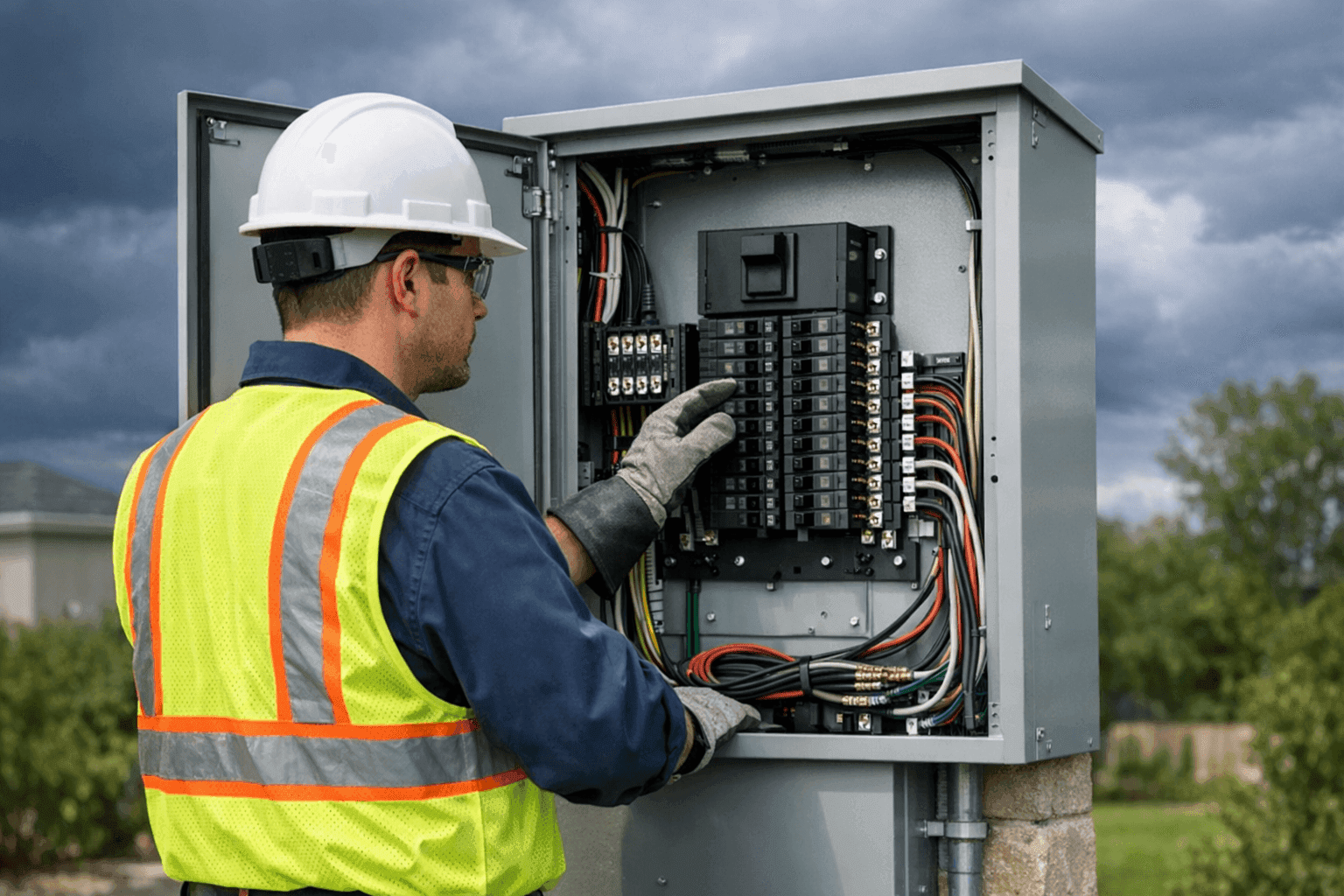
When the sky turns dark and the wind picks up, you can almost feel the tension in the wires above your head. Storms don’t just bring rain—they bring risk. Homes and businesses are left vulnerable to outages, surges, and even fire hazards.
At LintPro Electric, we know what it’s like to worry about the next big one. We’ve seen the chaos a single lightning strike or flood can cause. But with the right steps, you can protect your property, your equipment, and your peace of mind.
Weather on the Offense: Common Electrical Risks
Extreme weather is a wild card. It doesn’t care if you’re running a small shop or keeping a family safe at home. Here are the heavy hitters:
- Lightning: Sudden, powerful surges can fry circuits in a heartbeat.
- Floods: Water and electricity are a dangerous mix. Flooding can damage wiring, panels, and outlets.
- Ice storms: Heavy ice snaps wires, pulls down poles, and triggers outages.
- High winds: Flying debris and falling trees can rip through cables or bring down power lines.
Each brings its own brand of trouble. But the damage doesn’t have to be inevitable.
Pre-Storm Prep: Your Defensive Playbook ⚡
Think of prepping for a storm like putting on a raincoat. A little effort now means you stay dry later. Start with these steps:
- Install surge protection at the main panel and for sensitive electronics. This guards against sudden voltage spikes.
- Check your electrical panel for rust, loose breakers, or odd smells. Panels & breakers should be solid and up-to-date—see Panels & Breakers for more.
- Test GFCIs (Ground Fault Circuit Interrupters): Press the "test" button on outlets near water (kitchen, bath, outdoors). Replace any that don’t click off and reset.
- Move appliances and cords off the floor if flooding is possible.
- Trim trees near overhead lines to reduce the risk of falling branches.
And always keep a flashlight and fresh batteries handy. You don’t want to be searching by candlelight if the power goes out.
Quick Safety Checklist Before the Storm
A last-minute check can make all the difference:
- Unplug sensitive electronics (TVs, computers, chargers).
- Close all outdoor electrical boxes tightly.
- Double-check that sump pumps and backup generators are working.
- Review your emergency plan with family or staff.
- Know where your main electrical shutoff is.
If you’re not sure about any of these, a licensed electrician can walk you through it.
What to Do During the Storm
Stay inside. That’s rule number one. Avoid using corded phones or touching electrical panels. If you see sparks, smell burning, or hear buzzing from your panel, call for emergency electrical service immediately.
If water starts entering your home or business, do not step in standing water that may cover outlets or wires. Turn off the main power if it’s safe to do so—or call for help.
Emergency Response: What Pros Check First 🚨
When the weather clears and you call an electrician, here’s what happens next:
- Visual inspection: We look for signs of water damage, burn marks, or tripped breakers.
- Panel check: Testing for safe voltages, loose connections, and damaged breakers.
- Outlet and switch testing: Making sure everything is dry, functional, and safe.
- Wiring assessment: Especially in basements or crawl spaces, where flooding is most likely.
If there’s any doubt, we err on the side of caution. Safety comes first.
Post-Storm Electrical Checks
After the storm passes, don’t rush to plug everything back in. Here’s a step-by-step:
- Inspect all visible wiring and outlets for moisture, corrosion, or debris.
- Check your main panel—if any breakers won’t reset or seem loose, call an electrician.
- Test GFCI and AFCI outlets again.
- Run appliances one at a time to avoid overloading circuits.
If you have backup generators or battery systems, make sure they’re running smoothly before you need them again.
Prevention & Maintenance: Staying Ahead of the Storm
The best defense is a good offense. Regular maintenance—just like oil changes for your car—is key for electrical systems.
- Schedule annual electrical safety inspections.
- Upgrade outdated panels and breakers to modern standards.
- Replace worn or damaged wiring, especially in older buildings.
- Install surge protectors at all levels: whole-house, and at key outlets.
LintPro Electric offers maintenance services to keep your system storm-ready year-round.
Surge Protection: Your First Line of Defense
Just like a helmet protects your head, surge protection shields your devices from the worst. Whole-home or business surge protectors can save you thousands by preventing damage to computers, appliances, and sensitive equipment.
Ask for surge protection that meets UL 1449 standards and is installed at the main service panel. For extra safety, plug-in surge strips add another layer.
Panels & Breakers: The Nerve Center
Your panel is the brain of your electrical system. If it’s old, rusty, or overloaded, it’s asking for trouble. Newer breaker panels with AFCI and GFCI features provide greater protection from both fire and shock.
If you notice flickering lights, warm breakers, or frequent trips, it’s time for an upgrade. Don’t wait until the next storm exposes the weak links.
Signs of Trouble: What to Watch For 👀
- Burn marks or discoloration around outlets or switches
- Unusual buzzing or humming from the panel
- Breakers that won’t stay reset
- Flickering lights, especially during bad weather
- Outlets that feel warm to the touch
If you spot any of these, call an electrician. Don’t wait for a minor problem to become a major disaster.
DIY vs. Call a Pro: Where to Draw the Line
It’s tempting to flip breakers or replace outlets yourself. But electricity deserves respect. If you’re ever unsure, call a licensed electrician. We handle live wires, hidden damage, and code compliance so you don’t have to risk it.
Remember: Safety codes exist for a reason. The National Electrical Code (NEC) and National Fire Protection Association (NFPA) set the standards—and we follow them on every job.
Emergency? When It’s Time to Act Fast
If you see smoke, sparks, or exposed wires after a storm, get everyone out and call emergency services. Don’t try to fix serious electrical issues on your own. Lives and property are too important.
LintPro Electric offers 24/7 emergency response. We’re trained for storm damage, floods, and urgent repairs.
Seasonal Maintenance: Staying Prepared Year-Round
Spring brings floods. Summer’s got storms. Winter means ice and wind. No season is risk-free.
- Schedule pre-season checks before storm season starts.
- Test generators monthly.
- Inspect outdoor wiring and outlets after every major weather event.
- Replace batteries in smoke and carbon monoxide detectors twice a year.
Being proactive beats being reactive—every time.
Common Mistakes to Avoid
- Ignoring warning signs like buzzing, flickering, or burning smells.
- Overloading outlets with too many devices.
- Using extension cords as permanent wiring.
- Skipping regular maintenance and inspections.
A little vigilance keeps you out of trouble.
How Long Will Repairs Take? What’s the Downtime?
Simple fixes—like replacing a breaker—take just an hour. Major repairs, like panel upgrades after a flood, can take a day or more. The sooner you call, the faster you’re back up and running.
We always aim to minimize disruption for homes and businesses. Planning ahead means less time in the dark.
Materials, Equipment, and What Pros Bring
When LintPro Electric arrives, we bring more than tools. We bring experience. We use only code-approved materials, weatherproof enclosures for outdoor work, and state-of-the-art testing equipment to spot hidden hazards.
We install panels, surge protectors, and GFCIs that meet or exceed national standards. And we keep everything tidy—because safety and neatness go hand in hand.
FAQ: Weatherproofing Your Electrical System
Q: Do I really need a whole-house surge protector?
A: If you want to protect every circuit, absolutely. It’s the best way to guard against unpredictable spikes.
Q: How often should I schedule inspections?
A: Once a year is a good rule of thumb—or after any major storm or flood.
Q: Is it safe to reset a tripped breaker after a storm?
A: Only if you’re sure the area is dry and there’s no visible damage. When in doubt, call a pro.
Q: What’s the difference between a GFCI and an AFCI?
A: GFCIs protect against shock, especially near water. AFCIs guard against fire from arc faults.
Looking for an Electrician Company You Can Rely On?
Whether you need urgent repairs or want to get ahead of the next storm, our team is here to help. If you’re searching for reliable electrician company service, LintPro Electric is standing by—ready rain or shine.
Call LintPro Electric now — or reach us anytime at 844-484-8656 .