How to Prevent Power Surges During Thunderstorms
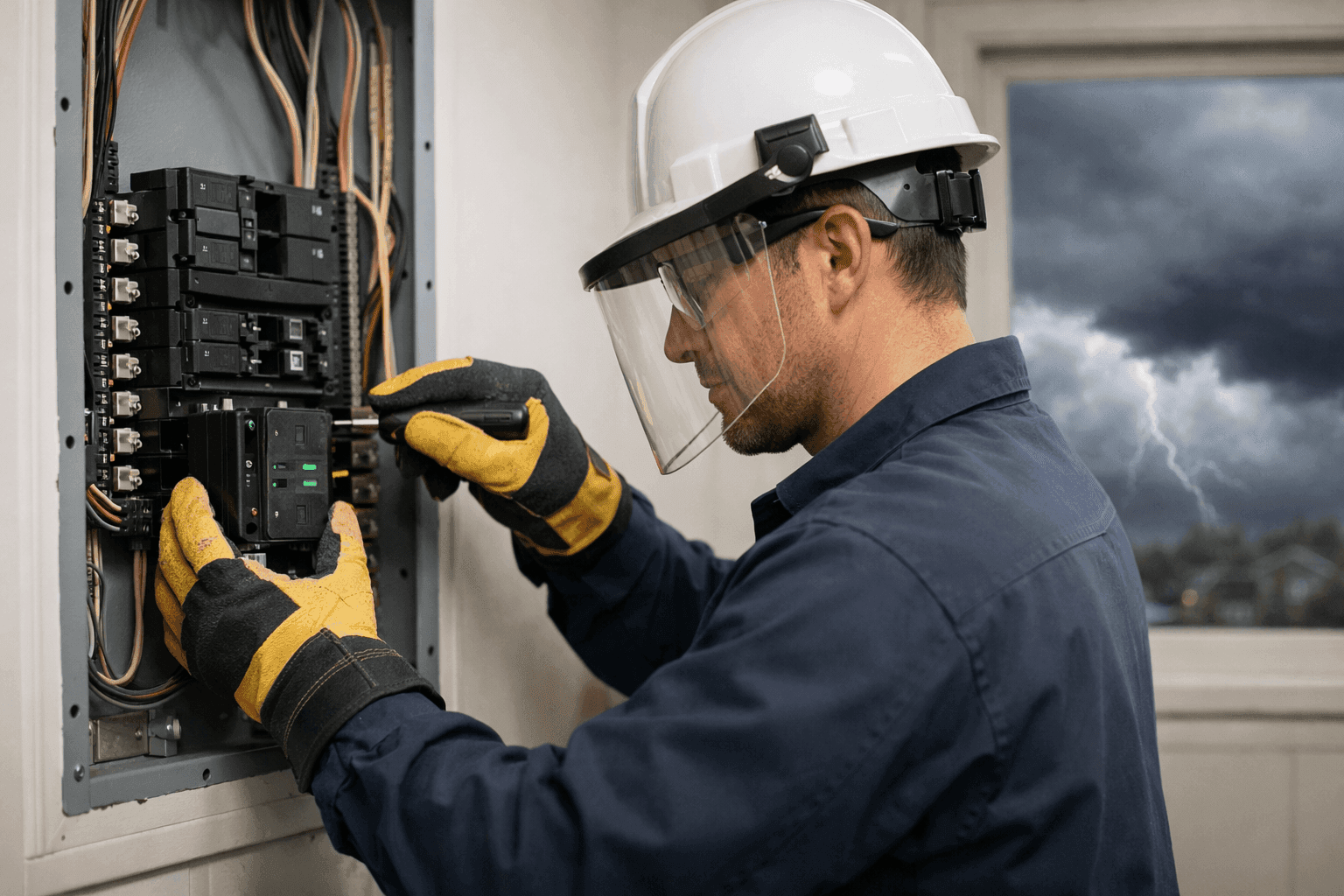
Thunderstorms roll in. The sky darkens. Rain lashes your windows. You hear the distant rumble—then, suddenly, a flash of lightning. At that very moment, your electronics and wiring are at risk.
At LintPro Electric, we’ve seen the fallout: fried computers, lost data, tripped breakers, and costly repairs. But you’re not powerless. With smart planning and the right electrician, you can weather any storm with confidence.
Why Thunderstorms Bring Surge Danger ⚡
Lightning is electricity unleashed. When it strikes near your property or hits a power line, a tidal wave of voltage can surge through wiring—seeking the quickest path to ground. Appliances and sensitive electronics are sitting ducks.
But it’s not just lightning. High winds can knock lines together. Nearby outages and utility grid switching during storms can also send unexpected surges rippling through your system.
Think of your wiring like a highway. A surge is a runaway truck careening out of control, smashing through everything in its path.
The Real-World Impact: What Can Go Wrong
- Computers and TVs blown out in an instant
- HVAC systems and appliances shut down or damaged
- Flickering lights, tripping circuit breakers, or even electrical fires
- Lost business productivity or ruined family memories
One strike is all it takes. Protecting your system is about more than just saving gear—it’s about safety and peace of mind.
Quick Safety Checklist: What To Do When a Storm Hits
When you see the clouds gathering, use this simple checklist:
- Unplug valuable electronics and sensitive devices
- Avoid using landline phones or wired internet during a storm
- Check surge protectors and battery backups for proper operation
- Keep flashlights and emergency numbers handy
If you’re unsure about your home or business’s defenses, it’s time to call an electrician.
DIY Steps: Easy Moves Before the Pros Arrive
Some protections are at your fingertips. Here’s how you can take charge:
- Unplug computers, gaming consoles, and TVs—not just turn them off
- Use high-quality plug-in surge protectors for key items (look for UL 1449 listing)
- Check that your electrical panel isn’t overloaded with too many devices
- Ensure all outdoor outlets are covered and GFCI-protected
These quick moves buy you time—but for lasting defense, professional help is essential.
Why Whole-House Surge Protection Is Worth It
A plug-in strip is a raincoat. Whole-house surge protection is a fortress.
Panel-mounted surge protectors intercept surges before they reach your circuits. They safeguard your entire wiring system—protecting lights, outlets, appliances, and even HVAC.
Benefits include:
- Saves money by reducing device replacement and repair costs
- Reduces risk of electrical fires
- Shields sensitive equipment from voltage spikes
- Adds value and safety to your property
At LintPro Electric, we install surge protection systems tailored to both residential and commercial needs—so you can relax, whatever the weather.
What Professional Electricians Look For
When a LintPro Electric technician arrives, here’s what you can expect:
- Inspection of your electrical panel, breakers, and grounding
- Assessment of current surge protection devices and their placement
- Recommendation for upgrades or repairs, if needed
- Installation of panel-mounted surge protectors and dedicated circuits
- Testing of your Low Voltage Systems near you for safe operation
We handle everything from panels and breakers to data cabling, ensuring your system is storm-ready.
Maintenance Matters: Keeping Your Defenses Strong
Surge protectors don’t last forever. After a major storm, or every few years, they should be checked—or replaced.
- Schedule regular maintenance for your electrical system
- Test surge protectors as directed by the manufacturer
- Keep your panel and grounding system clean and accessible
- Replace any device that shows signs of wear, damage, or failure
Just like changing smoke detector batteries, surge protection upkeep is essential.
Insurance and Electrical Code: What You Need to Know
Did you know? Many insurance policies require you to take reasonable steps to prevent electrical damage. Installing proper surge protection may even help you qualify for discounts.
The National Electrical Code (NEC 2023) now mandates surge protection for new or replaced services in residences. Local code enforcement may have additional requirements for commercial properties.
A professional electrician understands these evolving rules—and helps you stay compliant, safe, and covered.
Emergency? When to Call Right Away
If you notice:
- Burning smells from outlets or panel
- Sparking, buzzing, or hissing sounds
- Repeated tripped breakers or blown fuses
- Any sign of fire or smoke
Turn off the main breaker if safe to do so. Get everyone out. Then, call emergency services and your electrician.
Common Mistakes to Avoid
- Relying on old, worn-out plug-in strips alone
- Overloading outlets and extension cords
- Neglecting regular electrical inspections
- Ignoring warning signs like flickering lights or tripping breakers
Prevention is always easier—and cheaper—than repair.
Seasonal Surge Risks: Not Just Summer
While summer storms bring obvious risks, surges can strike any time:
- Ice storms and high winds in winter
- Grid switching during utility maintenance
- Construction or tree limbs falling on lines
Year-round surge protection is a smart investment for any home or business.
Signals You Need a Surge Protection Upgrade
- Electronics or appliances frequently fail or need replacing
- Breakers trip often during storms
- Home office or business equipment is critical to daily life
- You’ve added new high-tech or high-value systems (home theater, smart devices, EV chargers)
If any of these sound familiar, it’s time for an inspection.
How Long Does Installation Take? Will It Disrupt My Routine?
Most surge protection installations can be completed in a few hours. Power may be off briefly, but our team works efficiently and respectfully—minimizing any interruption to your day.
We’ll explain every step so you know what’s happening, and why.
What Equipment Is Used?
- Panel-mounted surge protectors
- Upgraded breakers and panels, if needed
- Grounding rods and wiring
- Quality plug-in surge protection strips for sensitive spots
All equipment meets UL and NEC standards for safety.
Frequently Asked Questions
Can I install a surge protector myself?
Some plug-in strips are DIY-friendly, but panel-mounted surge protectors should always be installed by a qualified electrician.
Does insurance cover surge damage?
It varies—check your policy and talk to your agent. Many require proof of preventive measures.
Are power strips and surge protectors the same?
No—a power strip just gives you more outlets. Only a surge protector absorbs and diverts excess voltage.
Why Choose LintPro Electric for Surge Protection?
We bring years of experience, technical know-how, and a dedication to safety. Our team has safeguarded homes and businesses through every kind of weather.
Looking for an electrician company that knows storm safety inside and out? LintPro Electric is your local partner in powerful protection.
Ready for the Next Storm?
Don’t leave your home or business exposed. With the right planning and professional surge protection, you can rest easy—even when thunder shakes the walls.
Call LintPro Electric now — or reach us anytime at 844-484-8656 .