How to Read Your Electrical Panel Labels and Documentation
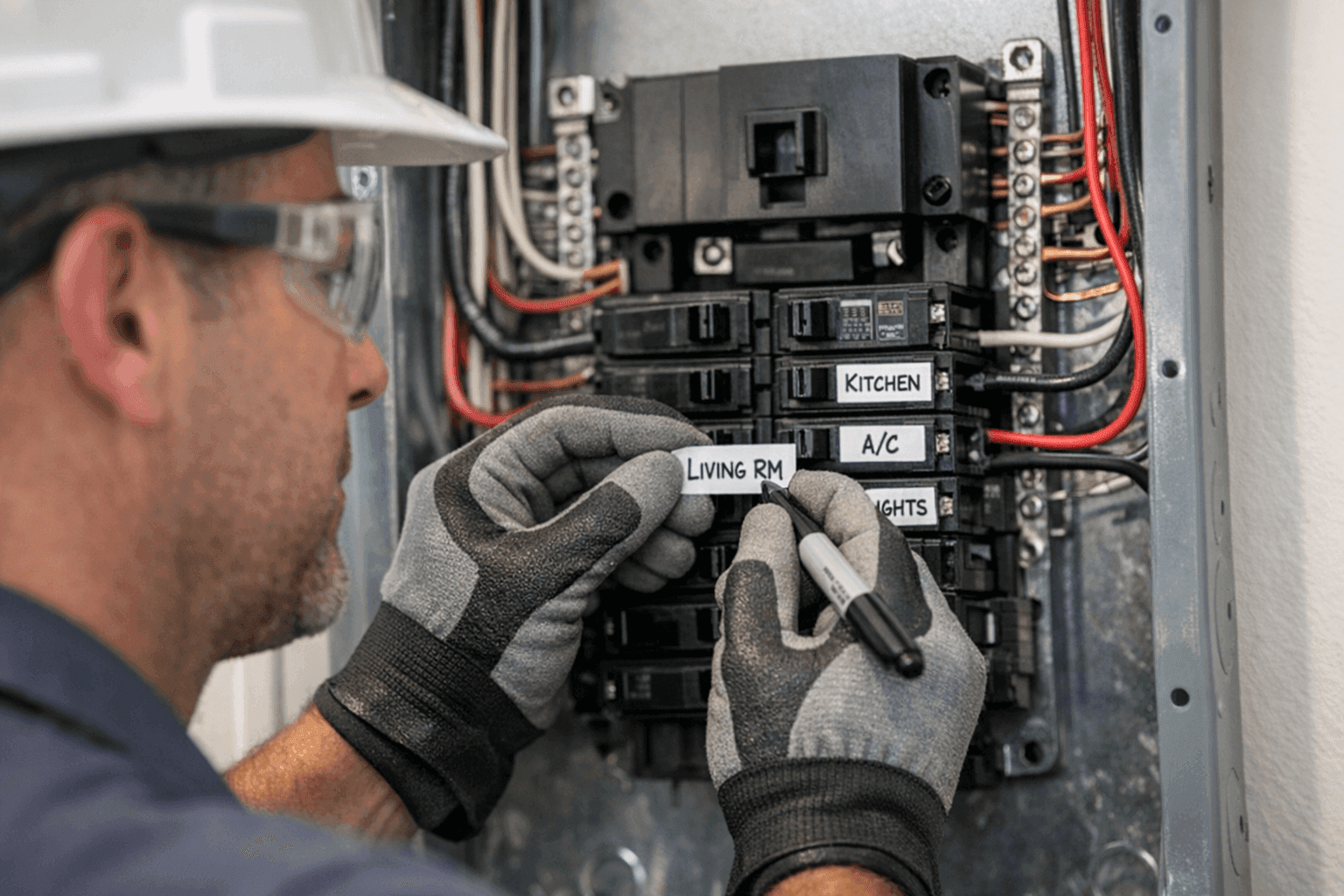
Have you ever opened your electrical panel and felt overwhelmed by faded handwriting or cryptic codes? You’re not alone. Most people rely on their panel when something goes wrong—power out in the kitchen, a breaker tripped in the garage. But if the labels are wrong or missing, you’re left guessing. That’s not just annoying. It’s dangerous.
At LintPro Electric, we’ve seen it all—sticky notes, marker scribbles, even labels in someone else’s handwriting from the 1980s. We know that clear, accurate labeling isn’t just a nice-to-have. It’s a core part of electrical safety, whether you’re a homeowner or running a business.
Why Accurate Electrical Panel Labeling Matters
Imagine your panel as the roadmap to your home or business’s electrical heart. If the labels are wrong, you could take a wrong turn—with real risks. Here’s why getting it right is so important:
- Safety first: Mislabeling can mean switching off the wrong circuit during repairs or emergencies, putting you at risk of shocks or electrical fires.
- Speed during emergencies: If you need to cut power fast—say, during a flood or wiring short—clear labels let you act instantly.
- Easier troubleshooting: Electricians and maintenance teams save time (and you save money) when circuits are easy to identify.
- Compliance: The National Electrical Code (NEC) requires clear, durable, and accurate labeling for all panel circuits (NFPA 70®).
Types of Electrical Panel Labels You’ll See 🏷️
Not all labels are created equal—or even meant for the same job. Here’s what you might spot inside your panel:
- Handwritten labels: Often found on old panels. Sometimes clear, sometimes not.
- Printed adhesive strips: Professional, easy to read, and long-lasting.
- Color-coded tags: Used by some electricians for quick visual cues (e.g., red for kitchen, blue for bedrooms).
- Numbered directories: A list inside the door matching each breaker or fuse with a room or appliance.
Whatever the style, the goal is the same: every breaker should clearly state what it controls. For business owners, that could mean “Server Room A/C” or “Lobby Lights.” For homeowners, you want “Oven,” “Washer,” or “Garage Door.”
How to Read Your Electrical Panel Labels
Standing in front of your panel can feel like reading a treasure map—if only the clues made sense. Here’s how to make sense of it all:
- Open the panel door and locate the label list or directory (usually a sticker or paper taped inside).
- Match each breaker to its label. Breakers are often numbered, so “Breaker 5: Kitchen Outlets” means flipping #5 should cut power to those outlets.
- Check for duplicates or blanks. If you see two “Living Room” labels or an unmarked breaker, that’s a red flag.
- Test if unsure: Safely flip the breaker (with electronics unplugged). See what turns off. Update the label if needed.
Keeping Documentation Current—Why It’s a Must
Think of your electrical panel as a living document. Every time you renovate, add a new appliance, or swap out circuits, your labels should change too. Here’s why staying up to date matters:
- Safety regulations evolve: Local codes and best practices may change. Staying current means staying compliant.
- Insurance: Some policies require proof of up-to-date electrical labeling after major work or claims.
- Resale value: Prospective buyers, inspectors, and appraisers all look at your panel. Clear, current documentation is a mark of responsible ownership.
How to Update Your Electrical Panel Labels
Ready to tidy things up? Here’s a practical approach:
- Turn off devices: For safety, unplug sensitive equipment before flipping breakers.
- Test each breaker: Turn one off at a time. Walk through your space and note what shuts down.
- Write clearly: Use a permanent marker or, better, printed adhesive labels.
- Be specific: “Bedroom 2 Outlets” is better than just “Bedroom.” For businesses, consider labeling by function (“Conference Room A/V”).
- Date your labels: Add the date of update for future reference.
Common Labeling Mistakes to Avoid
Even well-meaning DIYers can make mistakes. Watch out for:
- Vague terms: Avoid labels like “Miscellaneous” or “Spare.”
- Outdated info: Old renovations or rewiring can make labels wrong.
- Illegible writing: If it’s hard to read, it’s not helping anyone.
When to Call an Electrician for Labeling
DIY can work for small jobs, but if you have:
- Multiple blank or duplicate breakers
- Panels with high-voltage or complex circuits
- Unexplained tripping or buzzing
…it’s time to bring in a professional. Electricians have tools to trace circuits safely, identify hidden problems, and ensure everything meets code.
What LintPro Electricians Do When Labeling
When our team arrives, here’s the process:
- Safety check: First, we inspect for exposed wires or overheating.
- Circuit testing: We use circuit tracers (not guesswork), so every breaker is matched accurately.
- Code compliance: Labels and documentation follow NEC and local regulations.
- Durable labeling: We use fade-resistant, printed labels that last.
For those looking for Panels & Breakers or Maintenance services, our approach ensures future service calls are safe and efficient.
Electrical Panel Labels in Emergencies 🚨
In a crisis—fire, water leak, power surge—seconds count. Clear panel labels let you or first responders quickly isolate circuits. The last thing you want is to shut off the wrong breaker when every moment matters.
Panel Labeling for Businesses and Commercial Spaces
Businesses use more circuits, more equipment, and often have higher stakes. A mislabeled panel could take down security systems, lighting, or POS terminals. For commercial properties, professional labeling isn’t just smart—it’s often required by insurance and safety inspections.
Maintenance and Re-Labeling: How Often?
Schedule a label review:
- After renovations or rewiring
- When adding major appliances or systems (like an EV charger or backup generator)
- Every 3–5 years for routine safety, or after any major change
Routine Wiring & Circuits checks are a great time for a labeling update.
Preventing Panel Label Confusion
A little prevention goes a long way:
- Store a copy: Keep a digital or paper copy of your panel directory outside the panel.
- Train family or staff: Show others where the panel is and how to use it in a pinch.
- Review annually: A quick yearly check keeps labels fresh and accurate.
Frequently Asked Questions
What if my panel has no labels at all?
Start fresh—systematically test each breaker and create new labels, or call a licensed electrician.
Is it legal to label panels myself?
Homeowners can update labels, but commercial properties may require a professional for code compliance.
Can I use color coding?
Yes, as long as each label is still clear and specific.
Signs Your Panel Needs Professional Attention
- Buzzing, humming, or warm breakers
- Flickering lights or unexplained outages
- Confusing or missing labels
- Breakers that trip for no clear reason
If you’re in the area looking for an electrician company, our team can help make your panel safe and simple to use.
Final Thoughts: Why Labeling Is About More Than Just Stickers
Panel labeling isn’t busywork. It’s about safety, prevention, and peace of mind. Whether you’re protecting your family or your business, accurate documentation means you’re never left in the dark when every second counts.
Call LintPro Electric now — or reach us anytime at 844-484-8656 .