How to Safely Add Circuits to Your Home
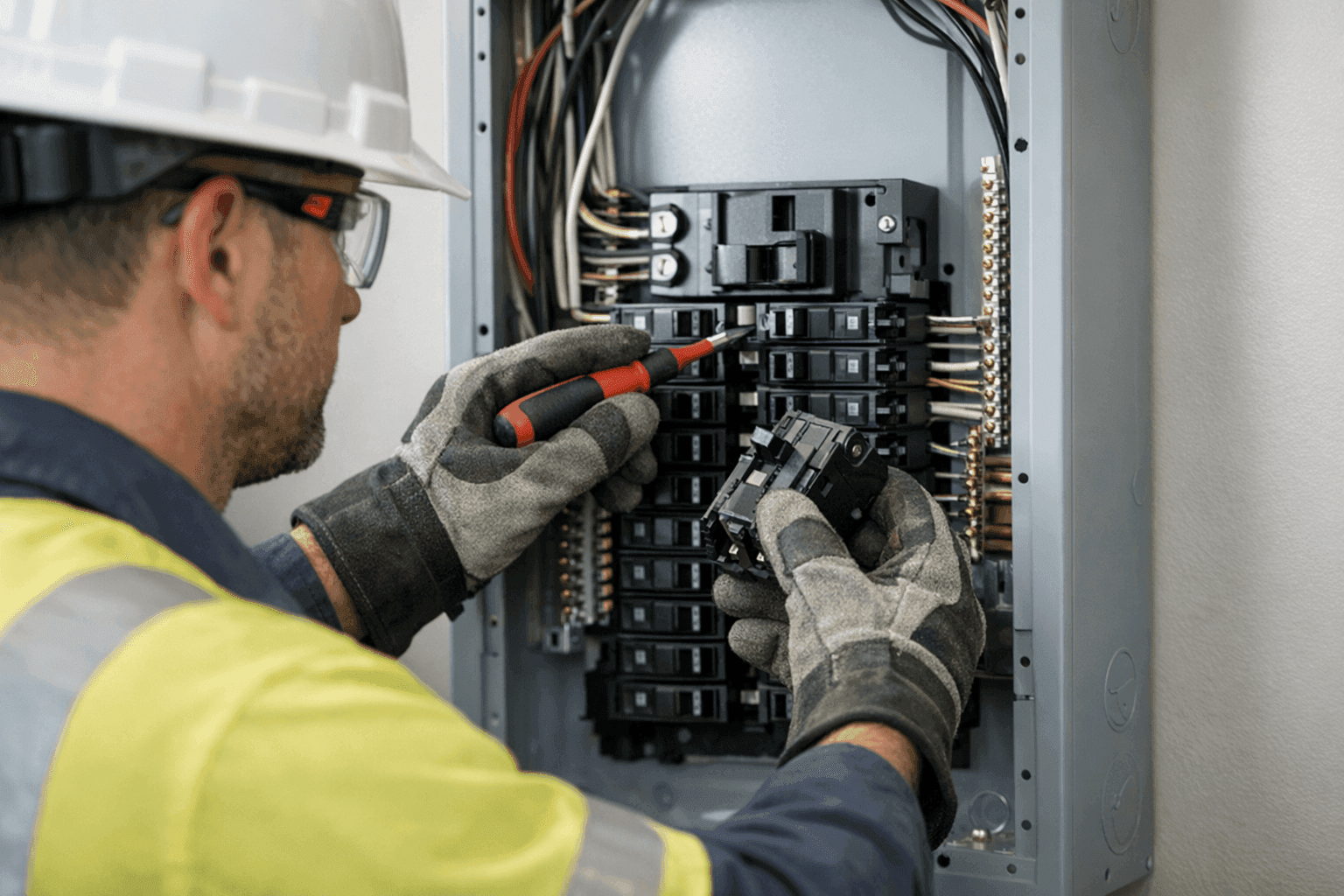
Does your home seem to trip a breaker every time you plug in something new? Maybe you’re eyeing that new kitchen appliance, or you’ve added a home office and the outlets just aren’t keeping up. You’re not alone. Many homeowners and businesses hit this wall as their needs grow.
At LintPro Electric, we know the feeling. You want more power, but you want it safe. And that means knowing how, when, and why to add circuits the right way—without putting your home or family at risk.
Why Add New Circuits? The Real-World Triggers
Adding new circuits isn’t just for tech lovers or home renovators. Sometimes, it’s a necessity. Here’s why you might need more circuits:
- Major Appliances: Ovens, dryers, fridges—all need dedicated circuits.
- Home Additions: New rooms, finished basements, or a garage conversion.
- Upgrades: Electric vehicle (EV) chargers, hot tubs, or bigger HVAC systems.
- Overloaded Outlets: Flickering lights and warm outlets are red flags.
- Frequent Breaker Trips: If it’s happening daily, your system may be tapped out.
Think of your home’s electrical panel like a city’s main road. Add too many cars (appliances), and traffic (your power) slows—or crashes.
First Things First: A Quick Safety Checklist ⚡
Before you even think about adding circuits, safety comes first. Here’s a simple checklist:
- Turn Off Power: Never work on live wires.
- Check for Moisture: Water and electricity are a dangerous combo.
- Look for Damage: Frayed wires or burnt smells? Stop and call an electrician.
- Use Proper Tools: Insulated screwdrivers and voltage testers only.
- Know Your Limits: If in doubt, don’t touch.
Safety isn’t just good sense—it’s the law. The National Electrical Code (NEC) sets strict standards for a reason.
Planning: Mapping Out Your Electrical Needs
Adding a circuit isn’t just about picking a spot and running a wire. Smart planning saves headaches later.
- List Your Loads: What will this circuit power? Add up the wattage.
- Map the Route: Where will wires run—through walls, ceilings, crawl spaces?
- Panel Capacity: Does your panel have room for new breakers?
- Future-Proof: Consider what you might add next year.
A professional electrician will draft a plan, often using your blueprints or sketches, ensuring every detail is buttoned up.
Breaker Sizing: Why It Matters
Not all breakers are created equal. Choose the wrong size, and it’s like putting a bike tire on a dump truck—something’s bound to blow.
- 15 or 20 Amps? Most household outlets use 15A, kitchens/baths often 20A.
- Dedicated Circuits: Big appliances might need 30A, 40A, or higher.
- Wire Gauge: The thicker the wire, the higher the amperage it can safely carry.
- Panel Compatibility: Your panel must accept the new breaker type.
Refer to the NEC and manufacturer guides. It’s not just about fitting parts—it’s about matching the system as a whole.
Code Compliance: Keeping It Legal (and Safe) 📚
Electrical codes aren’t suggestions—they’re rules that keep people safe. Always:
- Follow NEC Guidelines: These cover grounding, spacing, and GFCI/AFCI protection.
- Check Local Codes: Some areas add extra requirements.
- Permits: Most new circuits require a permit and inspection.
- Label Everything: Future you (or another electrician) will thank you.
No shortcuts. Cutting corners can void insurance or create hazards down the line.
Professional Installation vs. DIY Risks
We get it—YouTube makes everything look easy. But electrical work is a different animal.
What the Pros Bring
- Certified Training: Years of study and hands-on experience.
- Proper Tools: Pros use diagnostic equipment and parts you won’t find at a big-box store.
- Troubleshooting: Identifying hidden issues before they become disasters.
- Insurance & Liability: Peace of mind if something goes wrong.
DIY Dangers
- Hidden Hazards: Old wiring, overloaded panels, or poor connections can spark fires.
- Injury Risk: Electrocution is real—even for small jobs.
- Voided Warranties: Many home warranties require professional installation.
- Failed Inspections: DIY mistakes often mean failed permits or costly re-dos.
If you want it done right—and safely—hire a licensed electrician company. Your home (and wallet) will thank you.
What to Expect: The Pro’s Arrival
When LintPro Electric arrives, here’s what we do:
- Initial Assessment: Inspect your panel, wiring, and existing loads.
- Load Calculations: Measure your electrical demand and future needs.
- Mapping and Planning: Outline the safest, most efficient path for new wiring.
- Clear Communication: We explain every step, so you’re never left in the dark.
Materials and Equipment: The Building Blocks
Quality matters. Here’s what goes into a safe installation:
- Circuit Breakers: Matched to your panel and load.
- Wiring: Copper or aluminum, properly sized and rated.
- Connectors & Boxes: Fire-rated and code-approved.
- Outlets & Switches: Tamper-resistant for homes with children.
We source from trusted manufacturers and always use code-compliant parts.
Timeline and Disruption: What’s Normal?
- Assessment: 30–60 minutes.
- Planning & Permit: 1–2 days (depending on local rules).
- Installation: 2–6 hours per circuit.
- Inspection: Usually within a week.
You might lose power in select areas during installation, but we’ll keep disruptions minimal.
Common Mistakes to Avoid
- Overloading Circuits: Don’t just add on to an existing line.
- Wrong Breaker Size: Too big or too small risks fire or nuisance tripping.
- Poor Connections: Loose wires can overheat and burn.
- Skipping Permits: Unpermitted work can cause future headaches when selling your home.
If you’re not sure, call a professional. Mistakes can be costly—and dangerous.
Signs You Need More Circuits
Don’t ignore these warning signs:
- Constantly Tripping Breakers
- Dimming or Flickering Lights
- Warm or Buzzing Outlets
- Extension Cords Everywhere
- New Appliances Not Working Properly
These are your home’s way of saying, "Help!"
Emergencies: When to Act Fast 🚨
If you smell burning plastic, see sparks, or lose power to an important area—shut off your main breaker and call an electrician right away. Delaying can lead to fires or damaged electronics.
For urgent service, LintPro Electric offers Wiring & Circuits.
Maintenance: Stay Safe for the Long Run
- Regular Inspections: Have your system checked every 2–3 years.
- Test GFCI/AFCI Outlets: Monthly.
- Keep Panels Clear: Don’t block access for quick shut-off.
- Upgrade Old Panels: Especially if your home is over 30 years old.
A little attention now prevents big problems later.
Costs and Budgeting: What to Expect
Costs vary based on:
- Number of Circuits
- Panel Upgrades Needed
- Permit Fees
- Length and Complexity of Wiring Runs
Investing in safety pays off. Cutting corners can cost far more down the line.
Seasonal Considerations
Adding circuits in summer? Consider AC loads. Winter? Think about heaters. Plan with your future needs in mind so you’re not left out in the cold (or heat).
FAQ: Quick Answers
Q: Can I add a circuit myself?
A: Legally, most places require a licensed electrician for new circuits. Safety and code compliance matter.
Q: How do I know if my panel can handle more circuits?
A: Only an electrician can safely assess this. Overloading can be dangerous.
Q: Will I need to upgrade my panel?
A: Sometimes, if you’re maxed out. We’ll let you know your options.
Q: How long does it take?
A: Most jobs are done in one day, with inspection soon after.
Why LintPro Electric? Safety-First, Always
At LintPro Electric, our certified installers approach every job with care and precision. We follow the latest NEC guidelines, use top-rated parts, and treat your home like our own. Whether it’s Panels & Breakers, Installations, or full-scale Wiring & Circuits, we’re here to keep your space powered and protected.
Call LintPro Electric now — or reach us anytime at 844-484-8656 .