How to Safely Install an Electric Vehicle Charger at Your Business
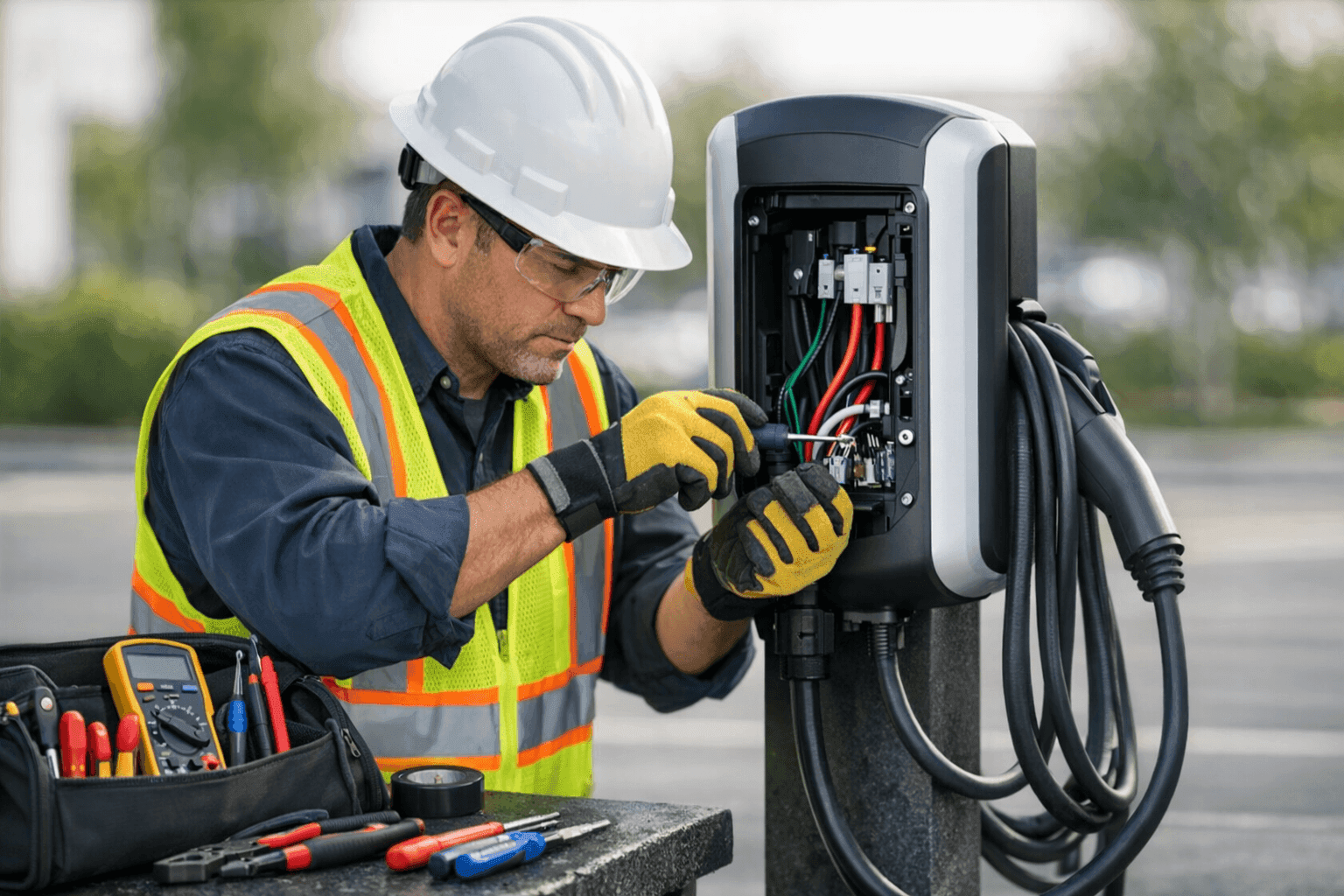
Is your business ready to support electric vehicles? More employees and customers are driving EVs every day. Providing reliable charging isn’t just convenient—it's becoming a must. But making the right decision can feel overwhelming. Safety, codes, and long-term value all matter.
At LintPro Electric, we know what it takes to install commercial EV chargers that are safe, efficient, and built to last. Let’s walk through the process together—step by step.
Why Install an EV Charger at Your Business?
Adding an EV charger isn’t just about keeping up with trends. It’s about future-proofing your business. Whether you own an office, retail store, or multi-unit complex, charging stations attract new customers, retain tenants, and support a greener workplace.
Done right, installation adds value and shows your commitment to innovation.
Types of Commercial EV Chargers
Not all chargers are created equal. You’ll need the right fit for your business.
- Level 1: Uses standard 120V. Slow (think overnight charging). Rare for commercial use.
- Level 2: Runs on 208V or 240V. Faster—can charge most EVs in a few hours. Most common for businesses.
- DC Fast Chargers: High voltage, super-fast. Perfect for high-traffic sites and fleets but require serious electrical capacity.
Choosing the right type depends on traffic, dwell time, and your property’s power infrastructure.
Assessing Your Power Needs ⚡
Picture the electrical panel as your business’s heart. Can it handle the extra load? Installing EV chargers is like adding a treadmill to a busy gym—you don’t want to cause a blackout when someone plugs in.
A licensed electrician will:
- Check your panel’s capacity.
- Evaluate wiring, circuits, and available amperage.
- Recommend upgrades if needed (like new panels or dedicated circuits).
National codes (such as the National Electrical Code/NEC Article 625) set minimum standards for safe EV charging installations. Always follow them.
Planning Your Installation: Steps for Success
A professional installation is a journey, not a sprint. Here’s how it typically unfolds:
- Site Evaluation: Review parking, access, and visibility.
- Load Calculation: Assess existing electrical load and future needs.
- Permitting: Pull required local permits.
- Trenching/Conduit: Run wiring safely to charger location.
- Mounting & Wiring: Secure the charger, connect circuits, and label everything clearly.
- Testing: Verify safe operation and proper grounding.
- Final Inspection: Ensure compliance with all codes before first use.
Cutting corners can mean headaches later. Take each step seriously.
Safety First: Codes, Inspections, and What Matters Most
Safety isn’t optional—it’s the foundation. Every step must align with NEC Article 625, local rules, and manufacturer guidelines. Here’s what matters:
- Proper Grounding: Prevents electrical shock.
- GFCI Protection: Required for outdoor and wet locations.
- Clear Labeling: No guessing which breaker controls what.
- Periodic Inspections: Stay safe and compliant over time.
LintPro Electric’s team is always up-to-date on the latest codes and best practices.
Commercial vs. DIY: Why Call a Professional?
Installing an EV charger isn’t like plugging in a coffee maker. Mistakes can cause serious hazards—fires, equipment damage, or costly fines.
A pro electrician handles:
- Complex load calculations
- Safe wiring in tough environments
- Coordination with inspectors and utility companies
DIY shortcuts? Not worth the risk. For "Low Voltage Systems near you" or high-voltage wiring, always call someone trained and qualified.
Employee and Customer Use: What to Consider
Charging should be simple and accessible. Think about:
- Location: Visible, well-lit, and easy to reach.
- Payment Options: Free, pay-to-use, or app-based access.
- Signage: Clear instructions eliminate confusion.
- Access Control: Limit use to employees, or offer public charging.
A smooth experience keeps people coming back—whether they work for you or shop with you.
Preparing for Future Expansion 🚗
EV adoption is accelerating like a racecar. Don’t box yourself in. Install extra conduit or oversize your electrical service now to make future upgrades easy.
Ask your electrician about “future-proofing” options such as:
- Extra capacity in panel upgrades
- Space for additional chargers
- Modular charger models that can be daisy-chained later
A little planning today saves big headaches tomorrow.
Common Mistakes to Avoid
- Ignoring site limitations: Tight parking and narrow driveways complicate installation.
- Underestimating demand: One charger may not be enough as EVs grow in popularity.
- Skipping permits: Unpermitted work can void insurance or lead to fines.
- Neglecting maintenance: Even the best installation needs routine checks.
Costs and Timelines: What to Expect
Costs vary by charger type, site conditions, and electrical upgrades. Expect:
- Equipment: Level 2 chargers are affordable; DC Fast Chargers require bigger investment.
- Labor: More wiring and trenching means higher cost.
- Permitting and inspections: Budget time for approvals.
Most business installations take a few days—more if upgrades or weather delays occur.
Materials and Equipment Checklist
Before installation, double-check you have:
- The right charger model (Level 2 or DC Fast)
- Heavy-duty wiring and conduit rated for outdoor use
- Approved mounting hardware
- Proper signage and instructions
- Local permits in hand
LintPro Electric sources only code-compliant, UL-listed materials.
Ongoing Maintenance and Safety Checks
A neglected charger can become a hazard. Set a reminder for:
- Visual inspections (look for damage or loose wires)
- Testing ground fault and circuit protection
- Cleaning terminals and cable connections
- Annual checkups by a licensed electrician
Regular maintenance extends equipment life and keeps everyone safe.
When It’s an Emergency: Fast Response Counts
If a charger overheats, smells odd, or trips breakers, shut it down and call for help. Electrical emergencies don’t wait. LintPro Electric offers 24-hour service for urgent repairs—so you’re never left in the dark.
Frequently Asked Questions
Q: Can I install a charger on any commercial property?
A: Most locations are eligible, but site evaluation is key. Some older buildings may need upgrades.
Q: What permits are required?
A: Permits vary by city—always check with your local authority and electrical inspector.
Q: Can I charge more than one vehicle at a time?
A: Yes, with the right infrastructure and charger models designed for multi-car use.
Your Next Steps: Getting Reliable EV Charging
Installing an EV charger is a big decision, but it doesn’t have to be intimidating. With the right planning and a skilled electrician, your business can offer safe, reliable charging that keeps pace with the future.
If you’re looking for reliable Installations or need an electrician who understands EV charging from start to finish, LintPro Electric is here to help.
Call LintPro Electric now — or reach us anytime at 844-484-8656 .