How to Safely Install and Use Backup Generators
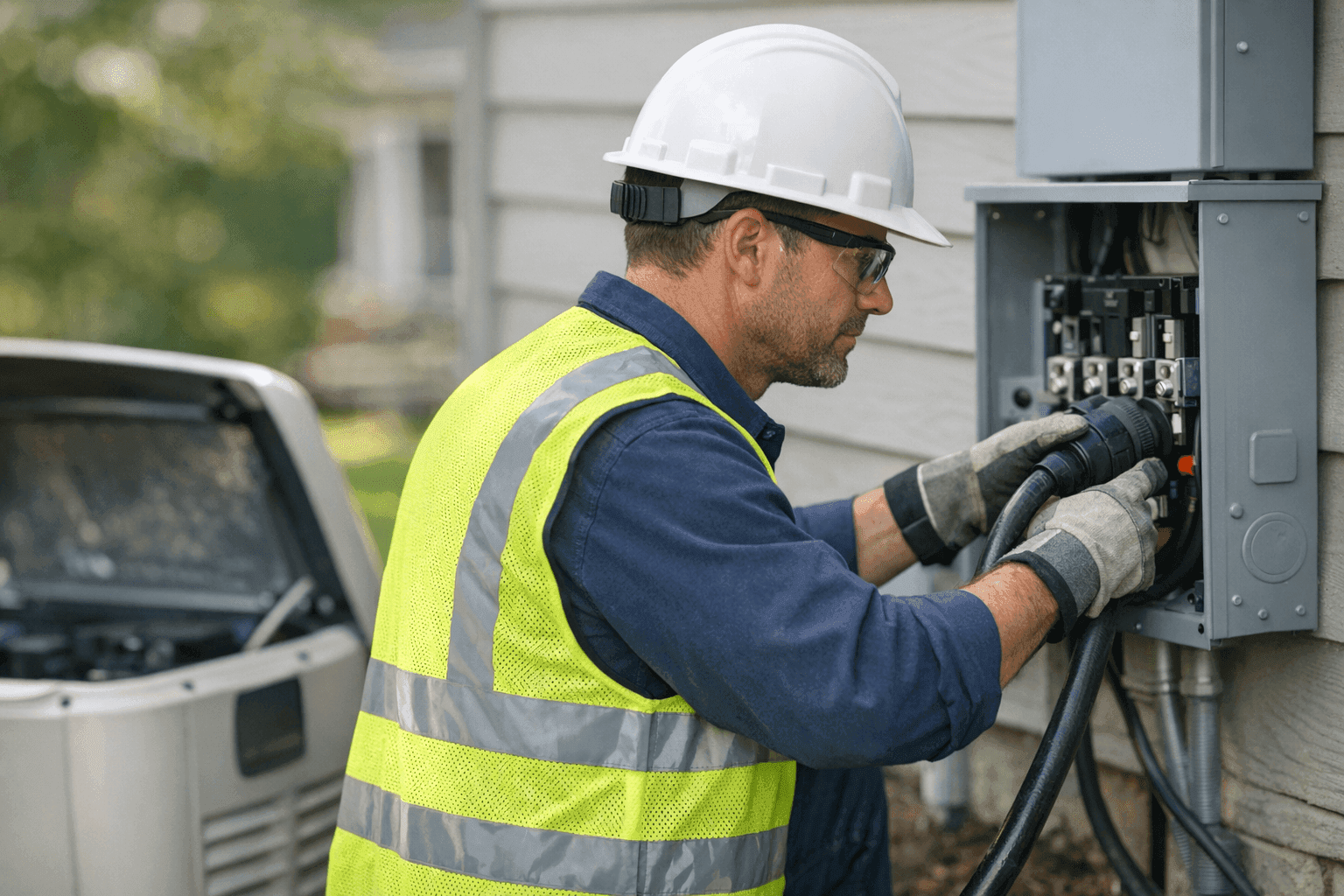
When the lights go out, panic can set in fast. Whether you’re keeping your fridge running or your business online, backup generators are the safety net that brings calm to the storm. But just like a seatbelt—if you don’t use it right, it can’t protect you.
At LintPro Electric, we help families and businesses get reliable backup power, safely. Here’s what you need to know to keep the current flowing, whatever comes your way.
Portable vs. Standby Generators: What’s Right for You?
Backup generators come in two main flavors. Each has its strengths, like a toolbox with just the right wrench for the job.
- Portable Generators: Small, wheeled units you set up outside. Great for temporary outages, camping, or powering a few essentials.
- Standby Generators: Permanent fixtures wired into your home or business. They fire up automatically when the power drops, keeping everything from lights to medical equipment running.
For most homes, a portable generator covers the basics—fridge, phone chargers, maybe a few lights. Businesses and larger homes often need a standby system for seamless, hands-off protection.
Where to Put Your Generator: Safety First 🏠
A generator is like a campfire: powerful, but only safe if placed in the right spot.
- Never indoors. Gas or diesel generators must always stay outside, far from doors, windows, and vents. Carbon monoxide is invisible and deadly.
- Stable surface. Place your generator on a flat, dry spot to prevent tipping or flooding.
- Clearance matters. Keep at least 10 feet from your building to avoid fire risks and fume buildup.
The National Fire Protection Association (NFPA) and manufacturer instructions both spell out these rules. Ignore them, and you’re playing with fire—literally.
Transfer Switches: The Heart of a Safe Setup
Plugging a generator straight into a wall outlet? That’s called “backfeeding,” and it’s as dangerous as it sounds. A transfer switch is your safe handshake between generator and home.
- Manual transfer switches let you decide when to switch power sources.
- Automatic transfer switches sense an outage and flip the switch for you.
Without one, power can flow the wrong way—risking electrocution for utility workers and frying your home’s wiring. A licensed electrician will size and install the right switch for your needs.
How to Use Your Generator During an Outage
When the grid goes dark, stay calm. Here’s your step-by-step plan for both generator types:
Portable Generator
- Wheel it outside, away from windows and doors.
- Check oil and fuel levels.
- Start the engine.
- Plug appliances directly into generator outlets or use a transfer switch.
- Never overload—add up wattages and stay under the generator’s rating.
Standby Generator
- Wait for the automatic transfer switch to do its job.
- Listen for the hum—it should kick on within seconds.
- Monitor your power use; don’t run unnecessary devices.
- When utility power returns, the system will switch back on its own.
Maintenance: The Key to Reliable Power
A generator is like a car—it needs regular tune-ups to run when you need it most.
- Run it monthly. Let the engine warm up to lubricate parts and charge the battery.
- Check oil, fuel, and filters. Replace as recommended by the manufacturer.
- Inspect cords and outlets. Look for wear, cracks, or frayed wires.
- Schedule annual professional inspections. Certified electricians catch issues before they turn critical.
The Electrical Safety Foundation International (ESFI) recommends routine maintenance for all generators, even if they haven’t seen much use.
Thinking DIY? Know the Risks
Wiring a generator isn’t like hanging a picture. One wrong move can mean shock, fire, or a ruined generator. Here’s what can go wrong:
- Improper connections can send power where it shouldn’t go, endangering you and linemen.
- Skipped permits can mean fines or insurance headaches down the road.
- Ignoring codes risks serious injury and property loss.
Professional electricians, like those at LintPro Electric, are certified to local and National Electrical Code (NEC) standards. We keep your installation safe and up to code—no guesswork.
What Certified Electricians Do On Arrival
When you call in a pro, you’re getting more than someone with tools. Here’s what happens:
- Assess your power needs. What must stay on when the grid goes down?
- Recommend generator size and type. Based on real-world use, not just a sales pitch.
- Install transfer switches and wiring. All code-compliant and properly permitted.
- Test everything. We don’t leave until your generator starts and powers what it should.
Quick Safety Checklist
Before every use, run through this mental list:
- Is the generator outside and away from doors?
- Fuel and oil topped up?
- No frayed cords or exposed wires?
- Transfer switch ready?
- Carbon monoxide alarms working?
A few seconds now can save lives later.
Common Mistakes People Make
Even smart folks can slip up under pressure. Here are pitfalls to avoid:
- Running generators in garages or enclosed porches.
- Overloading circuits—tripping breakers or damaging appliances.
- Letting fuel sit too long (it can go bad and gum up the engine).
- Skipping regular maintenance.
Signs of Trouble: When to Call for Help
Generators talk, if you’re listening:
- Strange noises or vibrations.
- A smell of gas or burning wires.
- Circuits that won’t reset, or appliances that flicker.
If you spot these, shut down the generator and call an electrician. Don’t take chances.
The Realities: Costs, Time, and Disruption
Installation isn’t instant. Expect:
- Site visit and assessment.
- Permitting and code checks.
- A day or two of installation work (for standby systems).
- Brief power interruptions while wiring is completed.
Portable generators need less prep, but always weigh the real costs—fuel, maintenance, and time spent setting up when the lights go out.
When It’s an Emergency
If you rely on medical equipment, cold storage, or critical business systems, backup power isn’t a luxury. It’s essential. Always keep fuel on hand (stored safely, away from the home), and test your generator before storm season, not during.
Seasonal and Regional Considerations
Heat, cold, and storms all affect generators:
- Hot climates: Ventilation and shade matter. Overheating can cause shutdowns.
- Cold weather: Keep fuel and oil from gelling. Use cold-weather kits if recommended.
- Storms: Clear debris and check for flood risk before starting your generator.
For those searching for a reliable electrician company, LintPro Electric is always ready to help with safe, code-compliant installations.
Frequently Asked Questions
How big a generator do I need?
List out essentials—fridge, lights, sump pump, medical devices. Add up their wattage. A professional can help size a generator that covers your true needs.
Can I run my whole house or business?
With a properly sized standby generator and transfer switch, yes. But often, it’s most efficient to prioritize only what you need.
How often should I service my generator?
Run monthly, and have a certified electrician perform annual inspections.
Is it safe to refuel while running?
Never. Always shut off and let the engine cool before refueling to avoid fire hazards.
Final Thoughts: Safe, Reliable Power Starts with You
Backup generators are a lifeline during blackouts. But only if installed and maintained with safety in mind. From low voltage systems to backup power, LintPro Electric is here to keep your family or business safe—day or night.
Call LintPro Electric now — or reach us anytime at 844-484-8656 .