How to Safely Upgrade Outlets for Modern Devices
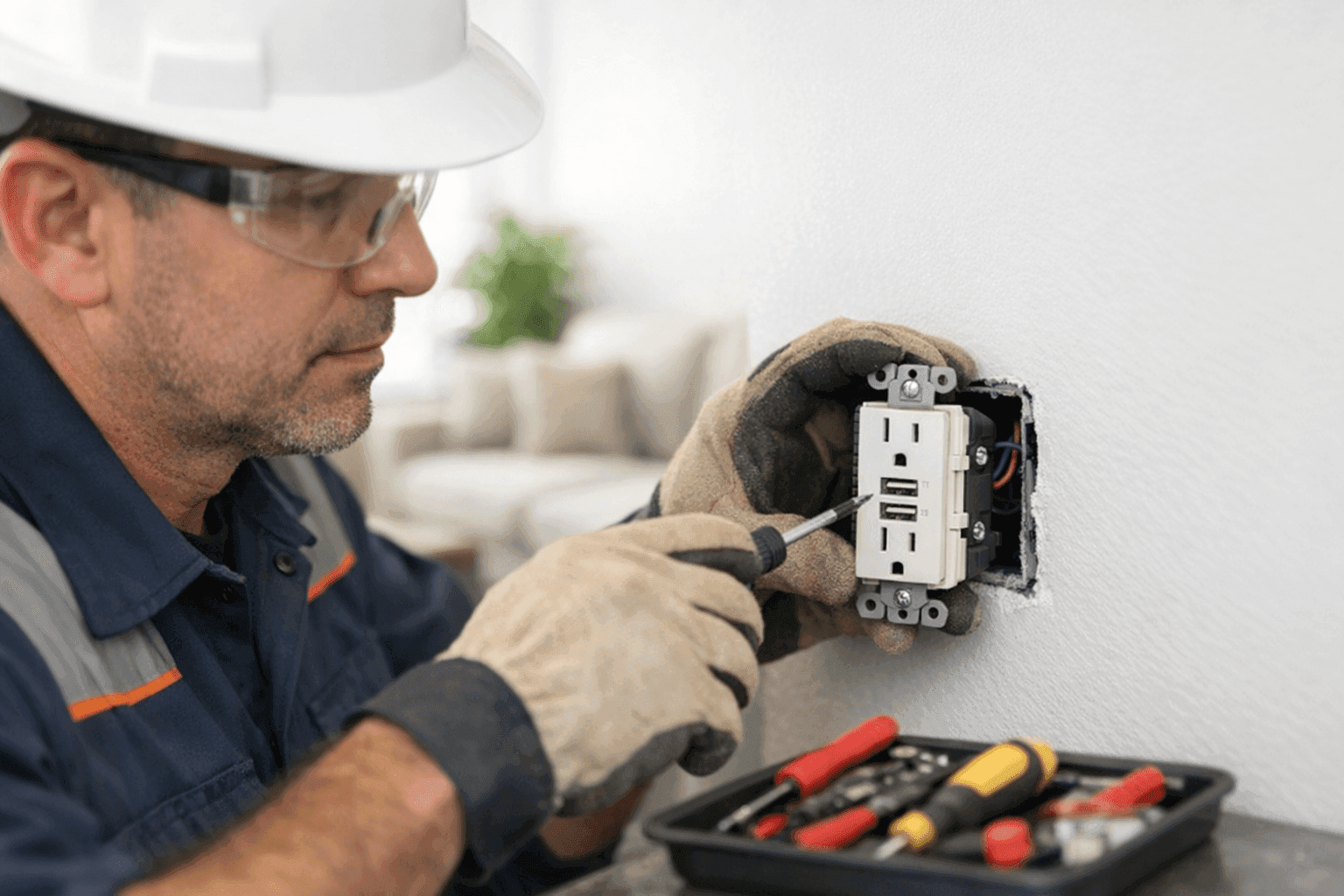
We plug in more than ever before. Phones, tablets, laptops, smart speakers—every room needs to keep up. But are your outlets ready for the task? Outdated outlets can’t always handle today’s demands. Worse, they may be unsafe or inconvenient.
At LintPro Electric, we help homeowners and businesses take charge (pun intended) of their electrical future. Upgrading your outlets isn’t just about keeping up with the times—it’s about protecting your family, your property, and your investments.
Why Upgrade Outlets for Modern Devices?
Outlets are the unsung heroes of every room. But technology moves fast. Many older homes and offices still rely on basic two-prong outlets or worn three-prong ones. These can’t deliver the power, safety, or smart features we expect now.
Imagine charging a phone in every bedroom—no more hunting for lost adapters. Or plugging in high-draw appliances without tripping a breaker. Upgraded outlets make it possible.
Key reasons to upgrade:
- Support for USB charging and smart home devices
- Improved child safety (tamper-resistant outlets)
- Surge protection for sensitive electronics
- Compliance with latest electrical codes
- Fewer overloaded circuits, less fire risk
Types of Modern Outlet Upgrades ⚡
Not all outlets are created equal. Here’s what’s available for homes and businesses right now:
USB Outlets
No more bulky adapters. USB outlets let you plug phones, tablets, and other gadgets straight into the wall, freeing up space for whatever else you need.
Tamper-Resistant Outlets (TR Outlets)
Essential for homes with kids. These outlets have built-in safety shutters that only open when equal pressure is applied—so curious fingers can’t poke inside. Required by code in new homes and many renovations.
Smart Outlets
Control lights and appliances from your phone or voice assistant. Set schedules, monitor energy use, and even turn things on or off remotely. Great for saving energy and adding convenience.
GFCI Outlets
Ground Fault Circuit Interrupters (GFCIs) are lifesavers—literally. Required in kitchens, bathrooms, garages, and outdoors, they shut off power the instant a fault is detected. If your outlets near water aren’t GFCI, it’s time to upgrade.
AFCI Outlets
Arc Fault Circuit Interrupters (AFCIs) detect dangerous electrical arcs that can start fires. These are now code-required in many living areas.
Surge-Protected Outlets
Protect your devices from power surges caused by storms or utility spikes. Especially important for computers, TVs, and home offices.
Where Should You Place New Outlets for Maximum Convenience?
Think of outlets as the “roadways” for your electricity. The right placement saves headaches and stops you from running extension cords everywhere (which are both unsightly and risky).
Tips for smarter outlet placement:
- Bedrooms: Add USB outlets by bedsides, desk areas, and anywhere you charge devices.
- Living rooms: Place outlets where you’ll actually use them—behind TVs, near sofas, and by entryways for lamps or charging stations.
- Kitchens: Space outlets above counters, near appliances, and add GFCI protection for any near water.
- Home offices: Multiple outlets, including data and USB, reduce clutter and keep everything powered.
- Garages and workshops: Think about tools, chargers, and future needs. GFCI and weather-resistant outlets may be needed.
- Outdoors: Safe, weatherproof outlets on patios, decks, and near pools for lighting and equipment.
Plan ahead. It’s much easier to add outlets during a renovation than after the walls are closed up.
How Upgraded Outlets Improve Safety and Function
Old outlets can be like old shoes—worn out, unreliable, and sometimes dangerous. Over time, outlets loosen, wires corrode, and contacts lose grip. This increases the risk of arcing, overheating, and even fire.
Modern outlets bring:
- Tighter, more secure wiring connections
- Higher-quality materials that last longer
- Built-in safety features (TR, GFCI, AFCI)
- Compatibility with new devices and chargers
Don’t ignore flickering lights, loose plugs, or outlets that feel warm to the touch. These are all warning signs.
Installation: What to Expect When Upgrading Outlets
Upgrading outlets isn’t as simple as swapping out a lightbulb. Here’s what a licensed electrician will typically do:
- Shut off power to the affected circuit at the breaker panel.
- Remove the old outlet and inspect wiring for wear or damage.
- Check electrical boxes for size and code compliance.
- Install new outlets—USB, TR, smart, or GFCI—using approved methods.
- Test connections for voltage, polarity, and safety.
- Label and document as needed for future reference.
At LintPro Electric, we also check for hidden issues like loose wires, outdated boxes, or overloaded circuits. If anything’s amiss, we’ll recommend solutions tailored to your needs.
National Electrical Code (NEC) Requirements: What You Need to Know
Outlet upgrades must follow the latest National Electrical Code (NEC) guidelines. This isn’t just best practice—it’s the law.
Key code points:
- Tamper-resistant outlets are required in most areas accessible to children.
- GFCI outlets must be used in kitchens, bathrooms, garages, crawl spaces, laundry rooms, and outdoors.
- AFCI protection is required in many residential living spaces.
- Proper grounding and box sizing are mandatory.
For more details, see the National Fire Protection Association (NFPA) and the latest NEC updates.
DIY vs. Hiring a Licensed Electrician
Watching a few online tutorials might make outlet upgrades look easy. But electrical work is like plumbing—one mistake can cause a flood…or much worse.
DIY risks:
- Incorrect wiring can lead to shocks or fire.
- Voiding your homeowner’s insurance.
- Failing local safety inspections.
- Not meeting code requirements.
A licensed electrician has the skills, tools, and knowledge to do the job right. At LintPro Electric, our team is certified, insured, and trained on the latest standards.
What to Expect When a Professional Arrives
When you call for an upgrade, here’s how we ensure a smooth, safe process:
- Assess your needs: We’ll ask about your devices, usage, and future plans.
- Inspect existing wiring: Safety first—no shortcuts.
- Recommend solutions: Tailored to your home or business.
- Install and test: We use only code-compliant materials and techniques.
- Clean up: We treat your space with respect.
Common Mistakes to Avoid
- Using the wrong outlet type (e.g., non-GFCI in wet areas)
- Overloading circuits with power strips or adapters
- Skipping permits or inspections
- Failing to ground outlets properly
- Installing outlets too high or low for code
If in doubt, ask a pro. Don’t risk it.
Signs Your Outlets Need an Upgrade
- Outlets are loose, wobbly, or discolored
- You rely on extension cords everywhere
- Plugs fall out easily or spark on insertion
- Outlets feel warm or buzz
- No GFCI protection where required
- Still using two-prong (ungrounded) outlets
Upgrading now can prevent bigger problems later.
Prevention and Maintenance Tips
- Test GFCI outlets monthly using the “Test” and “Reset” buttons
- Dust and gently clean outlets
- Check for signs of wear each season
- Schedule regular electrical safety inspections
LintPro Electric offers maintenance plans and periodic safety checks for peace of mind.
How Long Does an Upgrade Take? And What Does It Cost?
Most single outlet upgrades take under an hour, especially if wiring is in good condition. Whole-home upgrades or smart system installations may take longer.
Cost factors:
- Number and type of outlets
- Age and condition of wiring
- Accessibility (finished vs. open walls)
- Any required panel or circuit upgrades
We provide clear, up-front pricing—no surprises. For a detailed quote, see our Outlets & Switches or Installations pages.
When It’s an Emergency
Some electrical issues can’t wait:
- Sparking, smoking, or burning outlets
- Repeated tripping breakers or blown fuses
- Outlets not working after a major storm
Don’t delay. LintPro Electric provides 24-hour emergency service to keep your home and business safe.
Frequently Asked Questions
Do I need new wiring to upgrade my outlets?
Not always—but a professional inspection will tell you if your wiring is up to code.
Can I add USB or smart outlets anywhere?
Most locations are fine, but some smart outlets require a neutral wire. We’ll check your setup.
How many outlets should each room have?
The NEC recommends an outlet every 12 feet in most rooms, and within 6 feet of doorways.
Is a permit required?
In most regions, yes—especially for major upgrades. We’ll handle all permitting and inspections.
Trusted Outlet Upgrades Near You
Upgrading your outlets is more than a simple swap. It’s a step toward a safer, more functional space where your devices can thrive. Whether you’re planning a renovation, moving into a new home, or just tired of extension cords, LintPro Electric is here to help.
Looking for an electrician company in Hoover? Our certified team makes every upgrade safe, code-compliant, and tailored to your needs.
Ready to power up your space the right way?
Call LintPro Electric now — or reach us anytime at 844-484-8656 .