How to Spot Faulty Wiring: Warning Signs Every Owner Should Know
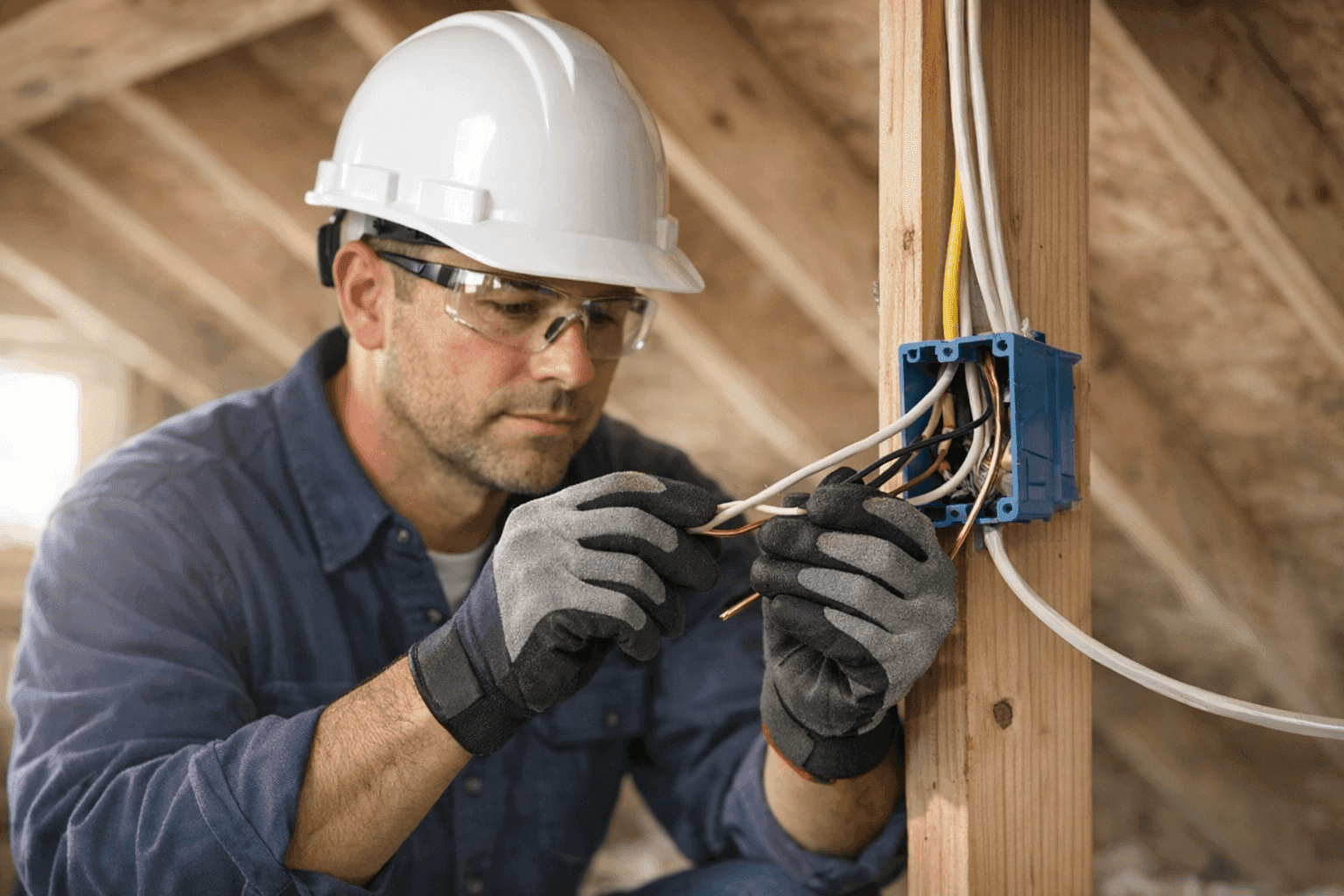
Is your home or business trying to tell you something? Flickering lights, hot outlets, or that faint burning smell might seem minor, but they’re often the first whispers of bigger electrical problems. At LintPro Electric, we know the risks behind aging wires and hidden faults. We help owners like you spot warning signs, stay safe, and keep the lights on—without sleepless nights.
When it comes to electricity, hesitation can be dangerous. Wiring issues aren’t just inconvenient; they’re a leading cause of fires, equipment failure, and costly downtime. Here’s how to spot trouble before it sparks.
Flickering Lights: More Than Just Annoying
A flicker here, a dim there—sometimes lights seem to have a mind of their own. But when your bulbs are dancing, it could mean loose wiring, overloaded circuits, or even a failing connection behind the wall. Think of it like a shaky bridge: one weak spot can threaten the whole structure.
Why it’s dangerous:
Unstable current can overheat wires, leading to arcing or fires. According to the National Fire Protection Association (NFPA), electrical distribution is a top cause of home structure fires.
What to do:
Swap bulbs and check fixtures. If the problem continues, call an electrician. Don’t ignore flickers in multiple rooms or at random times.
Burning Smell: The Scent of Danger
Electrical burning has a distinct odor—sharp, acrid, impossible to miss. If you catch a whiff, it’s like your wiring is waving a red flag.
Why it’s dangerous:
That smell often means insulation or plastic is melting. If left alone, this can ignite surrounding materials.
What to do:
Turn off the circuit at your electrical panel. Unplug any devices in the area. Call for help immediately. This is a classic case for professional fault-finding.
Hot Outlets & Switches: Hidden Heat
Touch an outlet or switch. Does it feel warm? A slight warmth from a dimmer can be normal, but if an outlet is hot to the touch, it’s a sign of trouble.
Why it’s dangerous:
Heat buildup signals overloaded circuits, loose wiring, or failing components. This is a key cause of electrical fires.
What to do:
Stop using the outlet, unplug everything, and call an electrician. Heat belongs in your oven—not your outlets.
Circuit Breakers That Trip (Again and Again)
A breaker that trips once in a blue moon is doing its job: keeping you safe when circuits overload. But if you’re constantly running to the panel, there’s a deeper issue.
Why it’s dangerous:
Repeated tripping means the breaker is protecting you from a persistent overload or short circuit.
What to do:
Don’t just reset and forget. Persistent tripping points to problems best left to the professionals, especially if you have older wiring or a recent spike in power use (think new appliances or EV chargers).
Buzzing, Crackling, or Humming: Sounds of Trouble 🔊
Electrical systems should be silent. If you hear buzzing, crackling, or humming from outlets, switches, or your panel, it’s like your wiring is whispering for help.
Why it’s dangerous:
These sounds suggest arcing—a dangerous situation where electricity jumps gaps in wiring. This can quickly lead to smoke, fire, or property damage.
What to do:
Shut off the affected circuit and contact an electrician right away. Never ignore these sounds.
Sparking When Plugging In
A tiny spark when plugging something in can happen, especially with certain appliances. But large, frequent, or colorful sparks are a warning sign.
Why it’s dangerous:
This can point to worn outlets, loose connections, or internal damage.
What to do:
Stop using the outlet. Call for an inspection before plugging in again.
Dimming Lights When Appliances Run
Does your kitchen go dim every time you use the microwave? If big appliances cause your lights to fade, your wiring might be undersized or circuits overloaded.
Why it’s dangerous:
Undersized wiring can overheat and fail, putting your property at risk.
What to do:
Have your circuits checked, especially if you’ve added new appliances or upgraded your HVAC.
Outlets or Switches That Don’t Work
Dead outlets or switches are more than a nuisance. They can mean loose wires, tripped GFCIs, or hidden damage.
Why it’s dangerous:
Loose connections generate heat and can cause arcing behind the wall.
What to do:
Don’t try to fix it yourself if you’re unsure. Call a licensed electrician for safe troubleshooting.
Aluminum Wiring: An Outdated Hazard
Some homes built before the late 1970s used aluminum instead of copper for wiring. Aluminum is more likely to loosen and overheat.
Why it’s dangerous:
The U.S. Consumer Product Safety Commission warns that aluminum wiring can increase fire risk.
What to do:
If your home is older, have it checked for aluminum wiring. Professional rewiring can bring your home up to modern safety standards.
Rodent Damage and Physical Wear
Wires gnawed by rodents or pinched during renovations are accidents waiting to happen. Damaged insulation exposes live wires.
Why it’s dangerous:
Exposed wires can shock, spark, or start fires.
What to do:
Inspect attics and basements for signs of pests. If you see chewed wires, call a pro for safe repairs.
Safety Checklist: When to Call an Electrician
If you notice any of these warning signs, it’s time to reach out:
- Persistent flickering or dimming lights
- Burning smell near outlets, switches, or panels
- Hot outlets, switches, or electrical cords
- Buzzing, humming, or crackling sounds
- Frequent breaker trips or blown fuses
- Discolored or scorched outlets
- Outlets/switches that shock or don’t work
- Rodent or visible damage to wiring
- Aluminum wiring in an older home
Don’t wait for these signs to turn into emergencies. A licensed electrician can keep your property safe and code-compliant.
Why Faulty Wiring Is Dangerous—And Not Just for Fires 🔥
Faulty wiring is more than a fire risk. It can:
- Damage sensitive electronics or appliances
- Cause power outages and lost productivity
- Lead to costly repairs and insurance claims
- Void warranties on major equipment
In commercial settings, it can even risk regulatory fines or business shutdowns.
How the Pros Handle Fault-Finding
When you call a professional for fault-finding, here’s what to expect:
- Visual inspection of outlets, panels, and fixtures
- Use of digital testers and thermal imaging to spot hidden heat or voltage drops
- Checks for code compliance (per the National Electrical Code, NEC)
- Clear explanations, estimates, and safety recommendations
At LintPro Electric, our certified team never cuts corners. We follow every safety guideline and ensure all repairs meet local and national codes.
DIY vs. Calling a Pro: Drawing the Line
Replacing a light bulb? Sure. Opening your breaker panel or rewiring outlets? That’s another story. Electrical work isn’t just about know-how—it’s about safety and compliance.
DIY can be dangerous when:
- You don’t have the right tools or training
- The problem is behind walls or in the panel
- You’re unsure about local code requirements
Professional electricians are trained, insured, and up-to-date with code changes—so you’re protected from hidden liabilities.
Benefits of Early Intervention
Catching wiring issues early can:
- Prevent disasters before they start
- Save money on emergency repairs
- Protect your insurance coverage
- Keep your property value strong
Just like regular checkups for your health, routine electrical inspections and maintenance can pay off in peace of mind.
Common Mistakes Owners Make
It’s easy to overlook electrical warning signs or “make do” with temporary fixes. Some common pitfalls include:
- Ignoring frequent breaker trips
- Using extension cords as permanent wiring
- Overloading outlets with power strips
- Delaying repairs due to cost concerns
Small problems rarely stay small. Proactive repairs save money—and headaches—in the long run.
When It’s an Emergency (And What to Do)
Call 911 if:
- You see flames, smoke, or a major electrical fire
- Someone is shocked and cannot move
- The burning smell is strong and growing
Otherwise, shut off power at the main breaker and contact a licensed electrician immediately.
How Long Will Repairs Take? Timeline & Disruption
Simple fixes (like replacing a bad outlet) may take less than an hour. Larger issues—such as rewiring a circuit or updating a panel—can take a day or more. LintPro Electric works efficiently, minimizing disruption to your home or business.
Seasonal and Environmental Considerations
Storms, humidity, and extreme temperatures can all stress your wiring. After a severe weather event or flooding, have your electrical system inspected for damage.
Code Compliance and Certified Professionals
All electrical work must meet the National Electrical Code (NEC) and local regulations. Only certified electricians are qualified to ensure your repairs or upgrades pass inspection—protecting your investment and your safety.
Looking for a qualified electrician company in Annapolis? LintPro Electric brings professionalism, safety, and code knowledge to every job.
FAQs: Quick Answers to Common Wiring Worries
Can faulty wiring cause my appliances to break?
Yes. Unstable voltage and overheating can shorten the life of sensitive equipment.
Is old wiring always unsafe?
Not always, but older systems may lack modern safety features (like GFCIs or arc-fault protection) and should be inspected regularly.
How often should I have my wiring checked?
Every 3–5 years for most properties, or immediately after any major renovation, storm, or unexplained electrical problem.
Electrical safety isn’t about fear—it’s about preparation. If you’ve spotted any of the warning signs above, don’t wait. Your peace of mind and safety are worth it.
Call LintPro Electric now — or reach us anytime at 844-484-8656 .