How to Troubleshoot Common Electrical Problems in Your Home
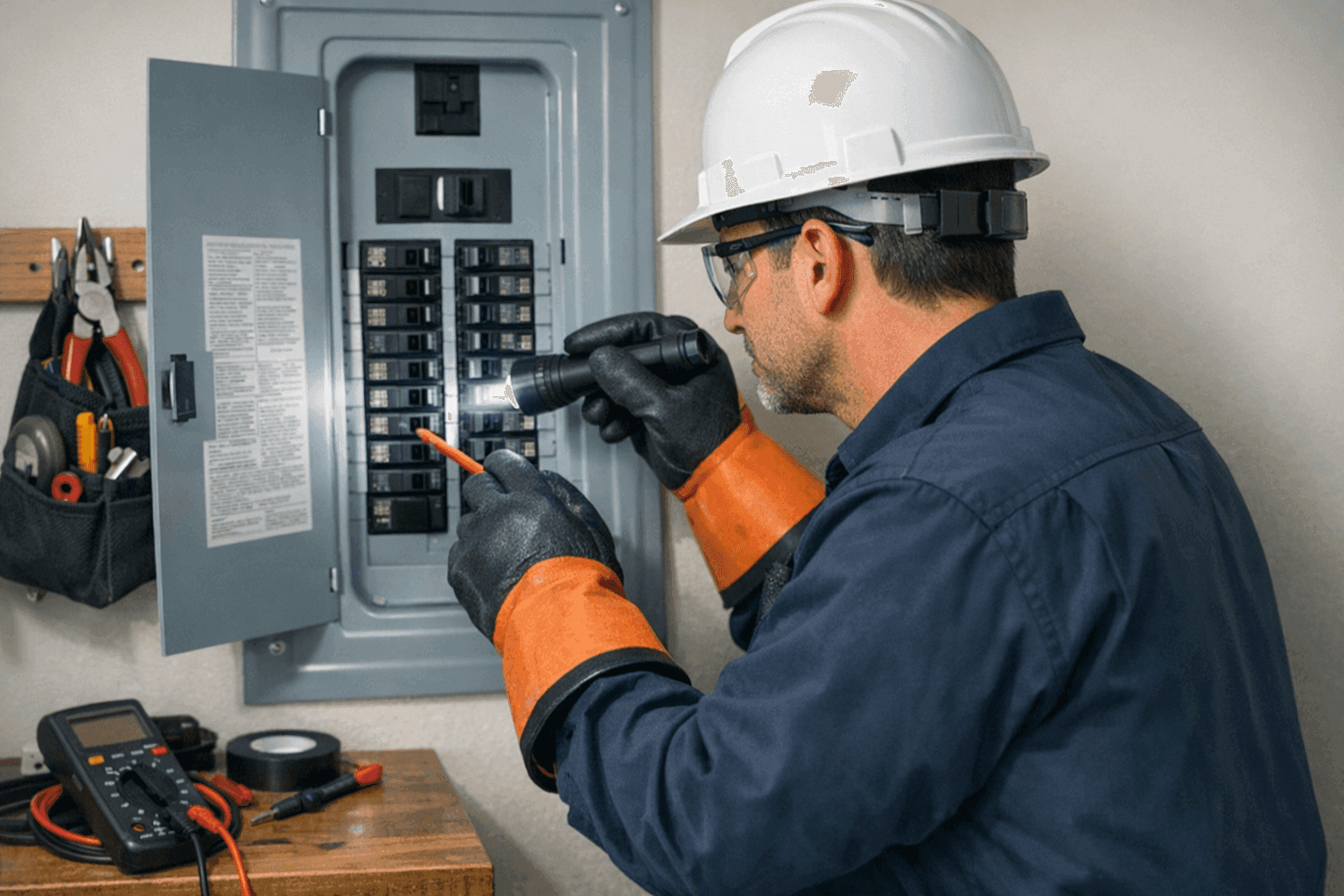
Life moves fast—until the lights flicker or an outlet dies and suddenly, everything stops. At LintPro Electric, we know electrical issues can feel like a puzzle you didn’t sign up for. Worry not. A little knowledge goes a long way toward staying safe and knowing what you can handle, and what should be left to a licensed electrician.
Whether you’re a homeowner, a renter, or manage commercial property, understanding the basics can help you make smart choices—and keep your household or business running smoothly.
Identifying the Most Common Electrical Problems ⚡
Electrical issues show up in all sorts of ways. Some are subtle, like a switch that feels warm. Others are obvious, like a breaker that snaps off every time you try to run the microwave and toaster together. Before diving in, let’s take a look at the most common headaches:
- Dead outlets: Plugs just won’t work, even after trying different devices.
- Flickering or buzzing lights: Annoying and sometimes a sign of a bigger problem.
- Tripped circuit breakers: The power cuts out, and the breaker switch refuses to stay on.
- Sparking or smoking outlets: Immediate red flag—don’t ignore.
- Warm switches or outlets: Not normal and could be dangerous.
- Frequent blown fuses or breaker trips: Signals overload or faulty wiring.
Recognize these? You’re not alone. They’re the leading reasons people search for Low Voltage Systems near you or call for repairs.
Step-by-Step Troubleshooting for Outlets and Switches
When an outlet or switch stops working, don’t panic. Start with these safe steps:
- Test the device: Plug something else in to rule out a broken appliance.
- Check other outlets nearby: Is it just one, or are several out? Sometimes, outlets in kitchens and bathrooms are tied together.
- Reset GFCI outlets: Bathrooms, kitchens, and garages use GFCIs for safety. Look for a small “reset” button. Press it firmly.
- Inspect for visible damage: Any discoloration, scorch marks, or buzzing? Stop here and call a professional.
- Check the breaker panel: See if a breaker has tripped (more on that below).
If the outlet is still dead, it’s time to call an electrician. Never open outlets or switches yourself unless you’re trained—hidden wires can be dangerous.
Diagnosing Circuit Breaker Trips
Breakers are like the referees of your home’s electrical system. When things get out of hand, they blow the whistle and shut down the play.
Here’s what to do if your circuit breaker keeps tripping:
- Identify the circuit: Which outlets or lights lost power? Each breaker controls a zone.
- Unplug devices: Too many gadgets on one circuit can overload it.
- Try resetting: Flip the breaker fully off, then back on. If it trips again:
- There could be a short circuit, overloaded circuit, or faulty breaker.
- Check for patterns: Does it happen when you use a certain appliance? That’s a clue.
According to the National Electrical Code (NEC), persistent breaker trips call for immediate attention. If resetting doesn’t solve it, or you see or smell burning, call for Panels & Breakers service.
When Lights Flicker or Buzz
A flickering bulb can be as distracting as a dripping faucet. Sometimes, it’s a simple fix—sometimes, it’s a signal.
- Tighten the bulb: Loose bulbs are a common culprit.
- Swap bulbs: Try a new bulb to rule out a defect.
- Check the fixture: If the problem remains, the socket or wiring may be loose.
- Are all lights flickering? That points to a bigger wiring or panel issue.
Buzzing sounds are a bigger warning. Electricity should be silent. If you hear buzzing from switches, outlets, or inside the walls, it’s time for fault-finding.
Safety Precautions Before DIY Checks 🔒
Electricity isn’t like other home repairs. It’s invisible and fast. That’s why a few safety basics are non-negotiable:
- Turn off breakers before checking outlets or switches.
- Never work with wet hands or near water.
- Use insulated tools if you must touch anything.
- Don’t try to open the breaker panel cover or wiring unless you’re a licensed electrician.
- Follow guidance from the Occupational Safety and Health Administration (OSHA) for home electrical safety.
Remember: If you’re not 100% sure, wait for a pro.
When to Call a Professional
DIY has its limits. Here’s when to call LintPro Electric:
- Burning smells, smoke, or sparks.
- Repeated trips on the same breaker or fuse.
- Warm or hot outlets, switches, or cords.
- Water damage near any electrical panel, outlet, or appliance.
- After a major storm or flood.
Certified electricians are trained for everything from Low Voltage Systems near you to full rewiring. When in doubt, don’t risk it.
What Electricians Do On Arrival
Expect a thorough, methodical approach:
- Ask questions about what happened and when.
- Inspect the affected area, starting with your breaker panel.
- Use professional tools (like multimeters) to check for voltage, shorts, and faulty wiring.
- Test circuits, outlets, and switches safely.
- Provide clear next steps and, if needed, discuss repairs or upgrades.
No guesswork. Just experience and the right gear.
Prevention and Maintenance
An ounce of prevention is worth a pound of repairs. Here’s how to keep trouble at bay:
- Schedule regular safety inspections.
- Upgrade old wiring and panels.
- Avoid plugging too many devices into one outlet.
- Install surge protectors to shield electronics.
- Test smoke and carbon monoxide detectors monthly.
LintPro Electric offers maintenance plans tailored to both homes and businesses—staying ahead of issues before they become emergencies.
Common Mistakes to Avoid
- Ignoring small problems: That buzzing outlet could become a fire hazard.
- DIY fixes with the power on: Shocking, literally.
- Using wrong wattage bulbs or fuses: Overheating and fire risks.
- Overloading outlets with power strips: Not all outlets are created equal.
- Not calling for help when you should: If it feels risky, it is.
Costs & Time Factors
Minor fixes (like a stubborn outlet) can be quick. Complex problems—like rewiring or panel replacement—take more time and may mean shutting off power for a while. Always ask for a clear estimate. Quality work protects your home, family, and investment.
Timeline & Disruption
Most troubleshooting can be done in an hour or two. Larger repairs, like rewiring or new panels, may take a day or more. LintPro Electric works efficiently to minimize downtime, always keeping your safety and comfort as the top priority.
Seasonal Considerations
- Storm season: Surge protectors and backup generators are your friends.
- Winter: Space heaters can overload circuits. Keep an eye (and nose) out for issues.
- Spring and summer: Pools and outdoor lighting need regular checks for safety.
Emergency Situations 🚨
If you smell burning, see smoke, or notice sparking, get everyone out and call 911. Then call an electrician contractor for emergency service. Don’t take chances with your home’s safety.
FAQ: Quick Answers
Q: Why do my breakers trip every time I use the vacuum?
A: You’re likely overloading that circuit. Try plugging into a different outlet or have an electrician inspect the circuit for upgrades.
Q: Are flickering lights dangerous?
A: Sometimes. If it’s just one bulb, it may be loose. If it’s the whole house, call for a system check.
Q: How often should I have my electrical system inspected?
A: The National Fire Protection Association (NFPA) suggests every 3–5 years, or after any major renovation or appliance addition.
Signs You Need an Upgrade
- Your home is over 30 years old.
- You still have a fuse box instead of a breaker panel.
- Frequent blown fuses or breaker trips.
- Two-prong outlets or no GFCIs in kitchens and bathrooms.
If any of these sound familiar, it’s time to consider Repairs, upgrades, or a new panel.
Choosing the Right Electrician
Look for credentials, insurance, and a strong record of satisfied customers. LintPro Electric is fully licensed and insured, and our team handles everything from Machine Wiring to Home Automation. Whether you need a quick fix or a full system upgrade, we’re here to help.
If you’re searching for an electrician company you can trust, or need help with Panels & Breakers, our team is ready around the clock.
Closing Thoughts
Electrical problems can be stressful, but you don’t have to face them alone. Safeguard your family, your home, and your peace of mind by knowing when to step back and call for help.
Call LintPro Electric now — or reach us anytime at 844-484-8656 .