How to Upgrade Your Home for Smart Technology
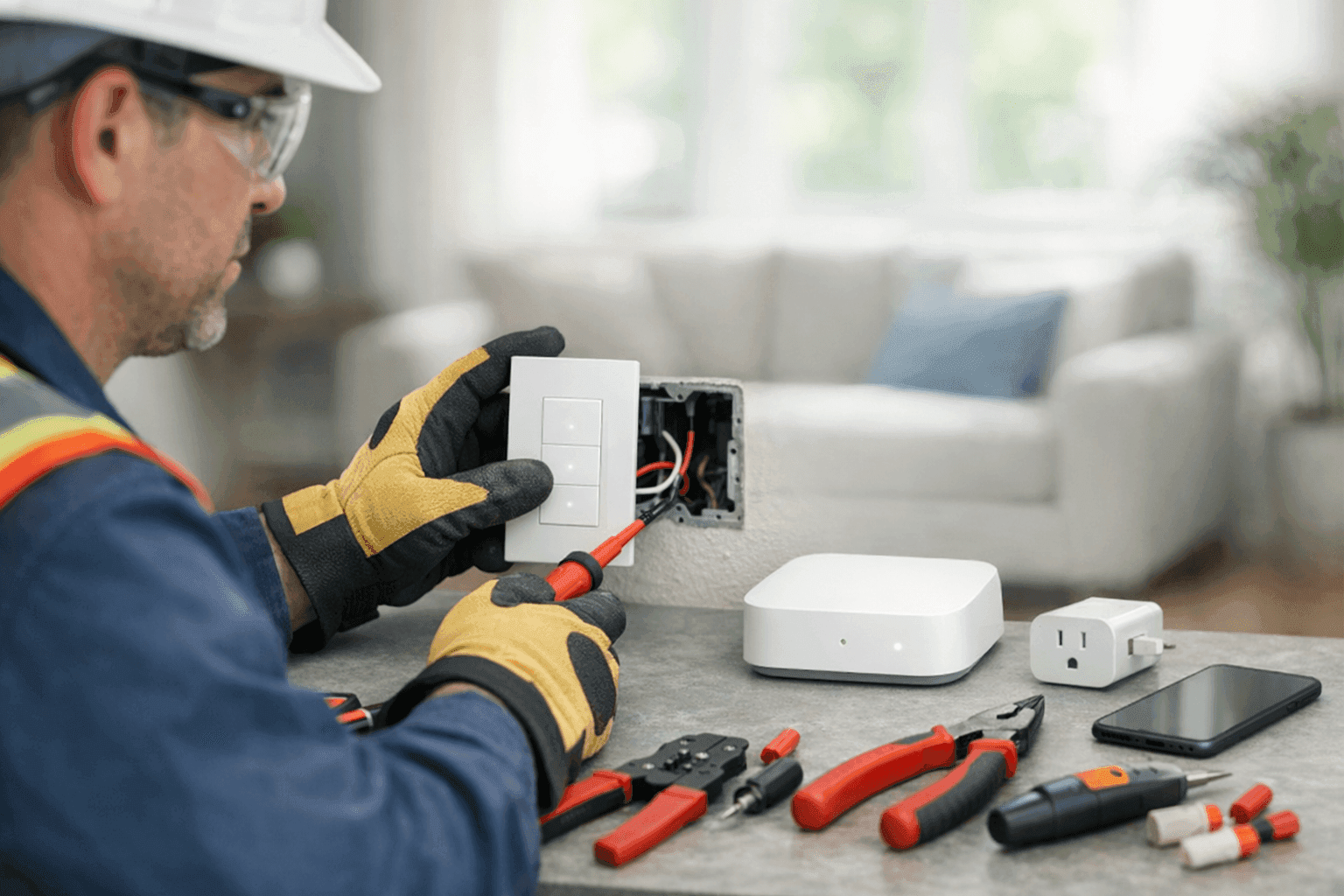
Upgrading your home for smart technology isn’t just about adding gadgets. It’s about blending convenience, safety, and efficiency—all while keeping your wiring and electrical system healthy behind the walls. That’s where experience matters. At LintPro Electric, our certified automation experts help families and businesses bring their spaces to life, safely and seamlessly.
Wondering how to get started? Or if your wiring can handle the leap to “smart”? You’re in the right place. Let’s break down exactly what you need to know.
Why Upgrade to Smart Technology?
Think of a smart home like a symphony. Each device—thermostat, light switch, camera, or outlet—plays its own part, but they need to work in harmony. Smart tech lets you control your environment with a tap or voice command. It’s comfort, security, and energy savings rolled into one.
- Remote access: Control lights, temperature, and locks from anywhere.
- Automated schedules: Save energy by programming appliances.
- Enhanced security: Cameras, smart locks, and alarms keep an eye out.
- Future-proofing: Prepare your home for tomorrow’s tech.
Common Smart Upgrades for Your Home 🏡
Not sure where to begin? Here’s where most homeowners start:
- Smart thermostats: Adjust heating and cooling from your phone.
- Connected lighting: Bulbs and switches you can control or dim remotely.
- Smart outlets and switches: Automate lamps, fans, or appliances.
- Security cameras and doorbells: Get real-time alerts and video feeds.
- Smart locks: Grant or revoke access without keys.
- Voice assistants: Central hubs for all your devices.
These upgrades each have unique wiring needs. Some are as simple as swapping out a switch, while others—like integrated security—require more planning.
Planning Your Smart Home Project
Before you dive in, map out your goals. Are you looking for convenience, security, energy savings, or all three? Make a wish list, then prioritize. Remember: some smart devices talk to each other better than others.
Ask yourself:
- Which rooms will benefit most?
- Do you want voice control, remote access, or both?
- Is your Wi-Fi strong enough everywhere?
- Are you planning for future upgrades?
A good plan keeps you from chasing wires later.
Compatibility: Will My Devices Work Together?
Not all smart devices speak the same language. Some use Wi-Fi, others Zigbee, Z-Wave, or Bluetooth. Picking a central hub (like Google Home, Amazon Alexa, or Apple HomeKit) helps make sure everything gets along.
Tips:
- Check device compatibility before buying.
- Look for “Works with” badges on packaging.
- Consider brands with open ecosystems for more flexibility.
LintPro Electric technicians have experience with all major brands—so you don’t have to stress about mixing and matching.
Electrical Safety: Meeting Code and Protecting Your Home ⚡
Smart home upgrades aren’t just plug-and-play. Many require changes behind the scenes—especially if you’re adding outlets, circuits, or automation panels. Here’s what’s important:
- National Electrical Code (NEC): All new wiring must meet NEC standards. This isn’t optional.
- Proper grounding: Smart devices are sensitive. Surges can fry them in a blink.
- Surge protection: Adding surge protection at your panel keeps everything safe.
- Circuit load: Upgrades can increase electrical demand—don’t overload.
Professional electricians stay current with code updates and best practices. For official guidance, check resources from the National Fire Protection Association (NFPA).
Retrofitting Older Homes for Smart Tech
Older homes have charm, but also quirks—like two-prong outlets, outdated wiring, or limited circuits. Upgrading may mean:
- Rewiring for neutral wires (needed for many smart switches).
- Upgrading panels to handle new circuits and higher loads.
- Adding dedicated circuits for high-draw devices (like EV chargers).
Great news: With the right electrician, almost any home can be brought up to speed safely. Retrofitting is like giving your house a new backbone.
DIY vs. Hiring a Professional Electrician
Changing a light bulb? DIY. Rewiring for smart thermostats or outlets? That’s best left to someone with experience. Here’s why:
- Hidden hazards: Older wiring can be brittle or improperly grounded.
- Complex circuits: Mixing low voltage and high voltage is risky.
- Insurance requirements: Many policies require licensed professionals for electrical work.
- Permits and inspections: Required for most major upgrades.
Trying to cut corners here is like fixing a leaky pipe with duct tape—it might hold for a while, but you’ll pay for it later.
What to Expect When the Pros Arrive
At LintPro Electric, our team starts with a detailed safety check. We’ll inspect your panel, outlets, and wiring, then recommend smart upgrades that fit your needs and budget. Installation includes:
- Testing circuits for load and safety.
- Rewiring or adding outlets as needed.
- Programming and integrating devices.
- Clean-up and a walkthrough so you know how everything works.
Quick Safety Checklist for Homeowners
Before any upgrade:
- Turn off power at the breaker.
- Use voltage testers, not just your eyes.
- Double-check device ratings for compatibility.
- Avoid overloading outlets or daisy-chaining adapters.
- Keep water and moisture far from any install site.
For more on safe practices, consult Occupational Safety and Health Administration (OSHA) guidelines for home electrical work.
Wiring Changes for Smart Devices
Here’s the inside scoop: Many smart devices need a neutral wire. That’s not always present in older homes. You may need:
- Neutral wires at switches.
- Dedicated circuits for smart panels or hubs.
- Upgraded breakers for surge protection.
- Properly sized wire for power-hungry devices.
Don’t guess—get a wiring and circuits checkup from a pro.
Preventing Problems: Surge Protection and Battery Backups
Power surges are the silent killer of smart tech. Protect your investment:
- Install whole-home surge protectors at your panel.
- Use battery backups for Wi-Fi routers, hubs, and security systems.
- Test smoke and carbon monoxide detectors every month.
It’s peace of mind, for a fraction of the cost of replacing fried electronics.
Costs: What Should You Budget?
Smart upgrades can fit almost any budget. Simple switches and thermostats start under $100 each, plus installation. Full automation—including lighting, security, and climate—can run higher, especially in older homes needing new wiring.
- Plan ahead: Combining multiple upgrades saves time and money.
- Check for rebates: Many utility companies offer incentives for smart thermostats and energy-efficient lighting.
Timeline: How Long Will Upgrades Take?
Most basic installs (like smart switches or thermostats) take under an hour each. Larger jobs—rewiring, panels, or whole-home automation—may take a day or more. There might be some minor drywall patching or paint touch-ups, but a professional will keep disruption minimal.
Common Mistakes to Avoid
- Skipping the neutral wire check.
- Overloading circuits with too many devices.
- Mixing incompatible brands or ecosystems.
- Forgetting surge protection.
- DIY installs in homes with old or unknown wiring.
Avoid these, and your smart home journey will be a smooth one.
Frequently Asked Questions
Q: Will my Wi-Fi be fast enough for a smart home?
A: Most devices use very little bandwidth, but a strong, reliable signal is a must—especially for cameras and streaming.
Q: Is smart tech secure?
A: Yes, if you keep devices updated and use strong passwords. Always buy from reputable brands.
Q: Can I upgrade my rental home?
A: Many smart devices are plug-in or battery-powered and can move with you. For hardwired upgrades, get your landlord’s permission.
Why LintPro Electric?
We’ve helped hundreds of homeowners and businesses upgrade safely, from simple switches to full-blown automation. Our certified team knows the ins and outs of home automation, installations, and wiring and circuits. Need an electrician company with experience in every major smart device brand, old and new? We’re local, and always ready to help.
For Wiring & Circuits and all your smart home needs, you’re in good hands with LintPro Electric.
Call LintPro Electric now — or reach us anytime at 844-484-8656 .