Low Voltage Systems: What They Are and Why They Matter
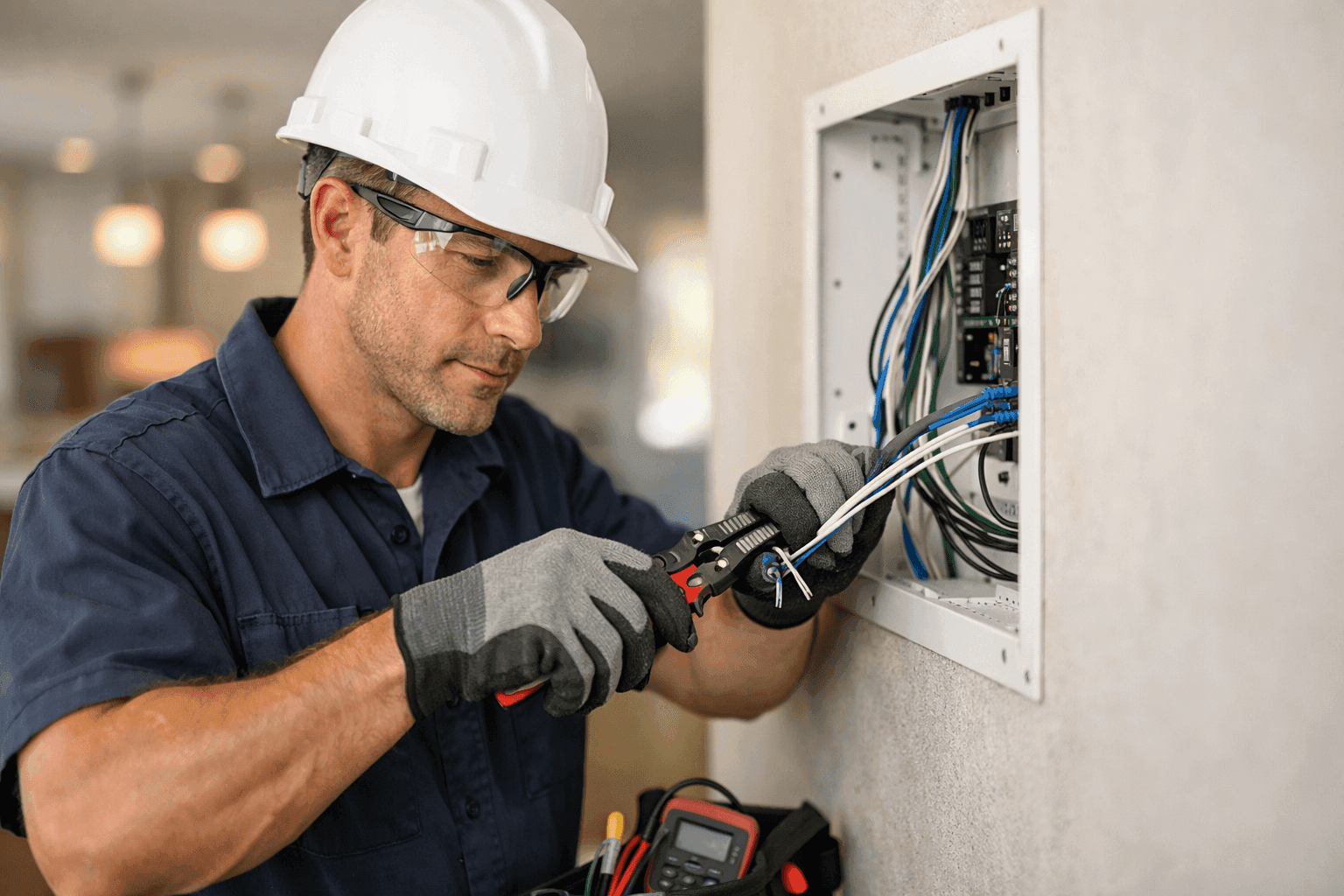
Electricity is the silent thread that keeps modern life humming. But not every wire in your wall packs the same punch. Some quietly power your doorbell, security cameras, or garden lights—those are low voltage systems. For homeowners and business owners, understanding these systems is a bit like knowing the difference between a garden hose and a fire hydrant. Both carry water, but one’s safer for your flowerbeds.
At LintPro Electric, we see how low voltage systems make homes and businesses safer, smarter, and more efficient. Let’s break down what these systems do, why they matter, and how you can use them to your advantage.
What Are Low Voltage Systems?
Low voltage systems run on less power—typically under 50 volts AC or DC. Think of them as the gentle giants of your electrical world. They’re often used for things that don’t need a full blast of power, like:
- Security systems (cameras, alarms, motion sensors)
- Doorbells and intercoms
- Landscape and accent lighting
- Phone, internet, and data cabling
- Audio/video setups
- Smart home devices
- Thermostats and controls
Low voltage wiring is the backbone of modern convenience. It’s the nervous system that lets your home or office communicate, stay secure, and look great.
Why Low Voltage Systems Are Safer ⚡
Imagine trying to change a light bulb versus rewiring a breaker panel. One is a quick job; the other can be dangerous if you don’t know what you’re doing.
Low voltage systems reduce the risk of electrical shock and fire. Because they carry less power, the stakes are lower if something goes wrong. It’s sort of like riding a bike on a quiet road instead of a highway. You still need to be careful, but the risks are more manageable.
- Lower risk of shock or burns
- Less chance of sparking or arcing
- Ideal for areas where safety is critical (kids’ rooms, outdoor spaces)
- Often allowed in places where traditional wiring isn’t
But remember, “less dangerous” doesn’t mean “no danger.” Proper installation is still a must.
Common Applications: More Than Just Lights
Low voltage isn’t just for holiday lights or that fancy new doorbell. Here’s where you’ll find it shining:
Security & Cameras:
The eyes and ears of your property run on safe, discreet low voltage lines.
Intercoms & Doorbells:
Need to hear who’s at the door without opening it? That’s low voltage at work.
Landscape Lighting:
Gentle, glowing pathways and accent lighting use low power to keep your outdoors inviting and safe.
Phone, Internet & Data Cabling:
All your streaming, calls, and downloads depend on reliable low voltage wiring. Read more about this on our Phone, Internet & Data Cabling page.
Smart Home Systems:
From automated thermostats to window sensors, low voltage keeps everything talking seamlessly.
Energy Efficiency: Doing More With Less
Think of low voltage systems as the hybrid cars of the electrical world. They sip power instead of gulping it, helping you save on utility bills and reduce your carbon footprint.
- Lower operating costs over time
- Less heat generated, which means safer wiring and longer equipment life
- Many systems can run on solar or battery backups
This makes low voltage a smart choice for both eco-friendly homes and energy-conscious businesses.
Installation: What to Know Before You Start 🛠
Wiring for low voltage isn’t the same as plugging in a lamp. It requires planning, the right materials, and an understanding of how these systems fit into the bigger picture.
Things to consider:
- Cable Type: Not all wires are created equal. Use cables rated for the specific system and environment.
- Power Source: Most low voltage systems run on transformers that step down from standard household current.
- Placement: Wires should be hidden, protected, and never mixed with high voltage—think of it as keeping apples and oranges apart.
- Label Everything: Nothing creates headaches like mystery wires later on.
If you’re ever in doubt, it’s worth reaching out to a professional electrician.
Code Requirements: Don’t Skip This Step
Electrical codes aren’t just red tape—they’re there to keep people safe. The National Electrical Code (NEC) and local building codes have specific rules for low voltage installs.
- Separation: Low voltage wiring must be kept separate from high voltage lines to prevent interference or accidental contact.
- Permits: Some projects require permits and inspections, even for low voltage.
- Approved Devices: Use components rated and listed by recognized testing agencies (like UL).
Your electrician should always follow these codes. Cutting corners can lead to failed inspections, fines, or worse—unsafe conditions.
DIY or Call a Pro? Knowing Your Limits
Replacing a doorbell button? Maybe that’s a weekend project. Wiring up a full security system or data cabling across several rooms? That’s a job for someone who’s done it a hundred times.
- Simple repairs: Okay for the confident DIYer.
- New installs or system upgrades: Usually best left to a licensed electrician.
- Commercial projects: Always hire a pro. Building codes and insurance requirements are stricter.
If in doubt, it’s safer—and often cheaper in the long run—to call in the experts.
How Pros Handle Low Voltage System Installs
When you hire an electrician for low voltage systems, here’s what to expect:
- Site Assessment: Every space is different. The electrician will check your building’s layout, needs, and any potential hazards.
- Design & Planning: They’ll map out where wires, outlets, and devices should go for both safety and performance.
- Installation: With the right tools and know-how, they’ll run wiring, install devices, and make sure everything’s up to code.
- Testing & Inspection: Every connection is checked. Systems are tested to make sure they work as intended.
- Cleanup: No mess left behind. You get a tidy, professional result.
No guesswork. No shortcuts.
Integrating Low Voltage With Smart Homes and Offices 🤖
Low voltage systems are the foundation of modern automation. Want to dim the lights with your phone? Or get an alert when someone rings the doorbell? That’s low voltage in action.
Popular integrations:
- Lighting controls (see our Lighting services for more)
- Smart thermostats
- Security and surveillance
- Audio/video systems
- Automated window shades
A smart home or office isn’t just about gadgets—it’s about seamless, reliable connections. Low voltage systems make this possible, quietly working behind the scenes.
Quick Safety Checklist
Before you start any project—or even poke around your electrical panel—run through this quick checklist:
- Is the system powered down?
- Are you using the right tools and cables?
- Are you following manufacturer instructions?
- Do you know where your main breaker is, just in case?
- Are you familiar with local code requirements?
If you answer “no” to any of these, pause and call a professional.
Common Mistakes To Avoid
Even well-meaning DIYers can trip up. Here’s what we see most often:
- Mixing low and high voltage wires in the same conduit
- Skipping labeling on wires
- Using the wrong type of cable
- Forgetting to check for permits or code requirements
- Overloading transformers
A little patience and planning goes a long way.
When Is It an Emergency?
Most low voltage issues won’t cause a blackout, but some signs mean you should call an electrician right away:
- Burning smells or smoke
- Non-functioning security or safety systems
- Flickering or dead lights in critical areas
- Exposed wires or water damage
Don’t wait. Safety always comes first.
Costs & Timeline: What To Expect
Low voltage system costs vary—like picking out shoes, it depends on brand, features, and how much you want to cover. Simple installs might just be a few hours, while whole-building rewires can take days or weeks.
- Materials: Quality cables, transformers, and devices add up, but cheaper isn’t always better.
- Labor: Professional installation ensures safety and performance, and can save you from costly mistakes.
- Permits & Inspections: Factor these into your timeline. Planning ahead can prevent delays.
Maintenance: Keep Systems Running Smoothly 🛡
Just like your car, low voltage systems need occasional checkups:
- Inspect cables for wear or damage
- Test security and safety devices monthly
- Check batteries in backup systems
- Schedule annual inspections with your electrician
Routine care prevents small issues from becoming big headaches.
Frequently Asked Questions
Do low voltage systems save money long-term?
Yes. They use less energy, which lowers your bills. Plus, they’re often easier and cheaper to maintain.
Can I upgrade my old wiring to low voltage?
Often, yes. But it depends on your building. An assessment from a qualified electrician is the first step.
Are permits really necessary for low voltage work?
In most cases, yes. Local codes and the National Electrical Code require it for safety and liability reasons.
Where To Find Reliable Help
Looking for Low Voltage Systems near you? Whether you’re upgrading your home or planning a new office, it’s smart to get guidance from a skilled electrician. If you’re in the area and need a hand, check out our Lighting solutions to get started.
The Takeaway: Safe, Smart, and Ready for the Future
Low voltage systems are the quiet champions of modern living—keeping you connected, protected, and efficient. When designed and installed correctly, they’re safe, reliable, and ready for whatever tomorrow brings.
Ready to start your project or just have questions?
Call LintPro Electric now — or reach us anytime at 844-484-8656 .