Machine Wiring Basics for Small Businesses: What to Know
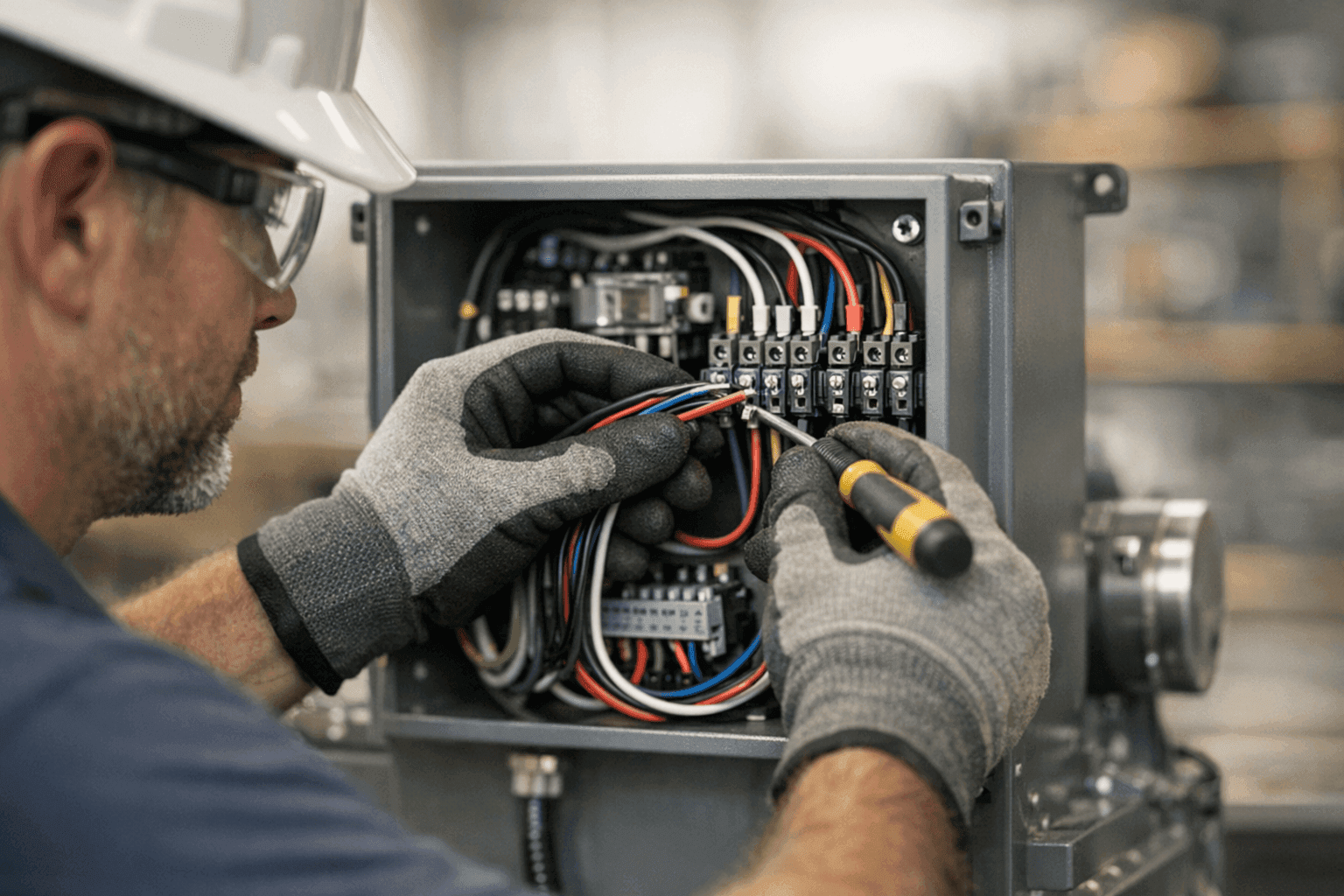
Is your small business about to install a new machine? Maybe you’re expanding production, or upgrading for efficiency. Either way, the wiring behind your equipment is more than just a plug-and-play job. It’s about safety, reliability, and keeping your business humming along.
At LintPro Electric, we know the difference between wiring a coffee pot and wiring a lathe. Whether you’re running a bakery or a fabrication shop, machine wiring involves specific challenges. Let’s break down what you need to know before flipping that switch.
Machine Wiring vs. Standard Outlets: Why It Matters
Think of standard outlets as garden hoses—good for basic tasks, like watering the lawn. Machine wiring, though, is like the main line to a fire hydrant. It handles more power, often at higher voltages, and has to be robust enough for heavy-duty use.
Unlike regular outlets, machine wiring needs to:
- Support higher current loads
- Use thicker cables
- Include dedicated circuits
- Meet strict safety standards
Getting it wrong isn’t just inconvenient—it’s risky. Faulty wiring can fry expensive equipment, cause fires, or put your staff in harm’s way.
Assessing Your Power Needs: The First Step
Before buying a new machine or rearranging your floor plan, you need to know exactly what that equipment requires. Every machine has a rating plate (usually metal, right on the frame). This plate displays:
- Voltage (V)
- Amperage (A)
- Phase (single or three-phase)
- Frequency (Hz)
Match these numbers to your building’s electrical capacity. If you’re unsure, consult the Commercial Services team at LintPro Electric. Overloading your system is like trying to run a marathon in flip-flops—it just won’t end well.
Installation Steps: What Really Happens
Machine wiring is a step-by-step process. Here’s how the pros approach it:
- Site Survey: Inspect the location, panel capacity, and grounding.
- Load Calculation: Determine if the current system supports the new equipment.
- Circuit Design: Select wire type, breaker size, and protective devices.
- Routing: Plan cable runs to avoid hazards.
- Installation: Run conduit, pull wires, and install outlets or disconnects.
- Testing: Verify connections, check polarity, and measure voltage under load.
Each step matters. Skipping even one is like baking bread and forgetting the yeast—nothing rises to the occasion.
Code Compliance: More Than a Checkbox 📋
Wiring isn’t just about plugging in and hoping for the best. All electrical work must meet the National Electrical Code (NEC) and local regulations. These rules ensure that:
- Wires are sized correctly
- Grounding is effective
- Equipment has proper disconnects
- Circuits are protected from overloads
OSHA and the NEC exist for good reason. Cutting corners can void insurance or trigger hefty fines. When in doubt, review the requirements or ask a licensed electrician.
Quick Safety Checklist for Small Businesses
Before turning on that new press or oven, run through this checklist:
- Are all connections tight and secure?
- Is the equipment properly grounded?
- Are emergency shutoffs accessible?
- Are warning labels visible?
- Did a qualified electrician inspect the setup?
If any answer is “no,” halt. Fix it or call a pro.
Common Mistakes: What We See Most
Some problems crop up again and again:
- Using the wrong wire size
- Skipping dedicated circuits
- Forgetting to bond grounding conductors
- Improperly rated disconnects
- Overfilling conduit
These errors can lead to nuisance tripping, machine damage, or worse—fire. Rushed installs may save a few bucks upfront, but repairs cost much more down the road.
DIY vs. Call a Pro: Knowing Your Limits
It’s tempting to DIY. After all, how hard could it be? But machine wiring isn’t like swapping out a lightbulb. It’s more like rebuilding your car’s engine—possible, but not advisable without training.
If you’re unsure about:
- Load calculations
- Code requirements
- High-voltage wiring
- Safety inspections
…It’s time to call in a professional. LintPro Electric handles High-Voltage Wiring and complex machine installs every day. Your business’s safety is worth it.
What Pros Do On Arrival
When our electricians arrive, they don’t just start pulling wire. Here’s what you can expect:
- Review of your machine’s specs
- Inspection of your current electrical panel
- Recommendations for upgrades, if needed
- Clear explanation of steps and timelines
- Clean, careful installation
We respect your workspace and your schedule. Disruption is kept to a minimum.
Safety and Maintenance: Keeping Things Running
Once your machine is up and running, maintenance is key. Think of it like changing the oil in your car—skip it, and you’ll regret it.
- Schedule annual electrical safety inspections
- Test emergency shutoffs monthly
- Keep wiring and panels free of dust and debris
- Watch for signs of overheating (burn marks, odd smells)
- Replace worn cables immediately
The National Fire Protection Association (NFPA) recommends regular maintenance for all commercial machinery to prevent fires and downtime.
Signs of Trouble: When to Take Action
Don’t ignore these warnings:
- Breakers tripping repeatedly
- Flickering lights while machines run
- Buzzing or humming from panels
- Warm or discolored outlets
- Equipment not starting or shutting off unexpectedly
These are your system’s way of asking for help. Address issues promptly to prevent bigger headaches.
Prevention & Longevity: Simple Tips
A little attention goes a long way:
- Label all machine circuits clearly
- Train staff on basic electrical safety
- Keep access to panels clear—never block with boxes or equipment
- Be proactive: upgrade aging wiring before it fails
Routine care helps your investment last longer and keeps your people safe.
Costs & Time Factors: Setting Realistic Expectations
Machine wiring isn’t a one-size-fits-all job. Costs depend on:
- Machine size and power needs
- Distance from electrical panel
- Local code requirements
- Materials and labor
A small machine may take a few hours. Larger projects or panel upgrades might require a day or more. Clear planning keeps surprises to a minimum.
When It’s an Emergency 🚨
Smoke, sparks, or the smell of burning? Shut off power and evacuate. Call emergency services, then reach out for 24-hour electrical help. Never try to fix major faults yourself—safety comes first.
LintPro Electric offers rapid response for urgent issues, so you’re never left in the dark.
Seasonal Considerations: Heat, Cold, and Your Wiring
Extreme temperatures can stress electrical systems. In summer, extra cooling loads or dust can cause overheating. In winter, condensation or ice may affect connections. Inspect wiring before seasonal surges, especially if your business is in manufacturing or food service.
Timeline & Disruption: What to Expect
Worried about downtime? Most installations can be planned for off-hours or weekends. We coordinate with your team to keep business running smoothly. Clear communication is our hallmark.
FAQ: Quick Answers for Busy Owners
Q: Can I use an extension cord for my machine?
A: No. Permanent wiring is required for most machines. Extension cords are a fire hazard.
Q: Do I need a permit for machine wiring?
A: Almost always, yes. Permits ensure safety and code compliance.
Q: How do I know if my panel can handle a new machine?
A: Only a qualified electrician can evaluate your load capacity and make recommendations.
For those in the region searching for electrician services in Elkhart, LintPro Electric offers the experience and reliability you need to keep your business safe and productive.
Call LintPro Electric now — or reach us anytime at 844-484-8656 .