Panel & Breaker Replacement: When Is It Time?
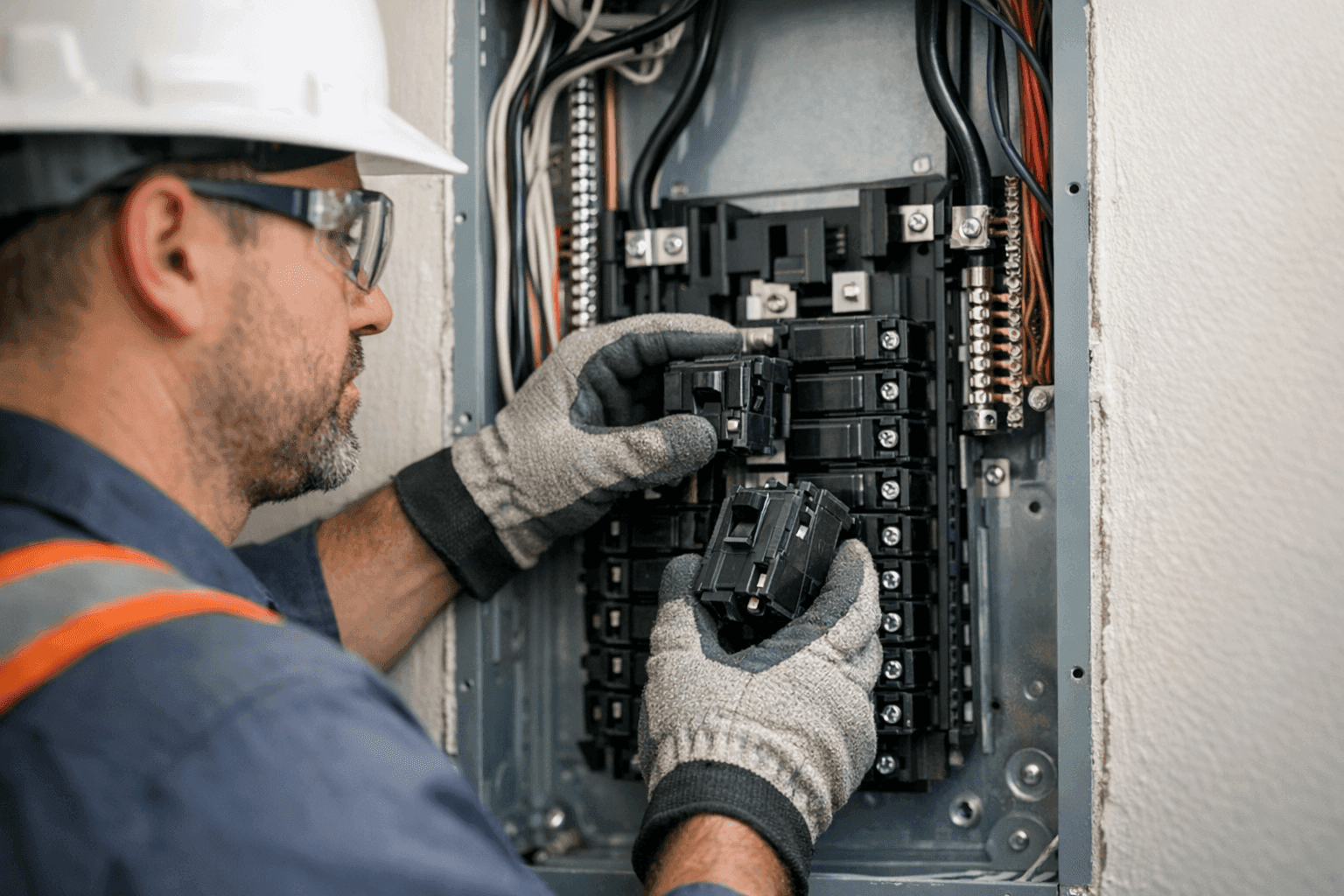
When the lights flicker, or the breaker trips for the third time in a week, frustration sets in. But behind that annoyance, there’s a real safety risk. Electrical panels and breakers are silent sentinels, standing guard over your home or business. When they age or fail, everything — from your comfort to your safety — is on the line.
At LintPro Electric, we know how vital a healthy panel is. Whether you own a home, rent a shop, or manage an office, understanding when to replace panels and breakers is essential. Let’s walk through the warning signs, the risks, and what you can expect from a professional replacement.
Warning Signs: When Panels & Breakers Cry for Help ⚡
Electrical panels rarely shout for attention, but they do whisper warnings. Here’s what to watch for:
- Frequent Breaker Trips: If your breakers trip so often you know their names, it’s time to investigate.
- Visible Corrosion or Rust: Any sign of corrosion inside the panel is a red flag. Moisture and electricity are a dangerous mix.
- Unusual Heat: Does the panel feel warm or hot to the touch? Overheating is a sign something’s wrong.
- Strange Smells: That sharp, acrid odor? It could mean melting insulation or burning wires.
- Age (20+ Years): Like tires, panels wear out. Most are designed for 20–30 years. If yours is older, it’s at risk.
- Crackling Sounds: If you hear buzzing or crackling from the panel, call an electrician right away.
- Flickering Lights or Outlets: Inconsistent power isn’t just annoying—it’s a sign your panel struggles to keep up.
If you’re experiencing any of these, don’t ignore them. Electrical issues have a habit of escalating when left unchecked.
Why Waiting Can Be Dangerous
Think of your electrical panel as the heart of your home’s power system. When it fails, the risk isn’t just inconvenience—it’s fire, property damage, or worse.
Delays in replacing a failing panel can lead to:
- Electrical Fires: Faulty breakers can overheat, sparking fires inside walls.
- Appliance Damage: Power surges and inconsistent voltage shorten appliance lifespans.
- Complete Power Loss: An overloaded or broken panel may shut your entire property down.
- Code Violations: Outdated panels can make your property non-compliant with modern safety codes.
The National Fire Protection Association (NFPA) and Electrical Safety Foundation International (ESFI) both stress timely maintenance and replacement of aging electrical components.
The Replacement Process: What to Expect
Worried about chaos and confusion? Here’s how a replacement usually unfolds, step by step:
- Assessment & Planning: A licensed electrician inspects your current system, reviews your needs, and recommends the right solution.
- Power Shutdown: For safety, the main power is turned off.
- Old Panel Removal: The existing panel and breakers are carefully disconnected and removed.
- New Panel Installation: Modern, code-compliant panels and breakers are installed.
- Wiring & Circuits Check: All connections are inspected, and any damaged wiring is replaced.
- Testing: Each breaker and circuit is thoroughly tested for safe operation.
- Cleanup & Walkthrough: You’ll get a full briefing on your new panel before power is restored.
For most homes and many businesses, the process takes less than a day. Our team at LintPro Electric ensures safety and minimal disruption.
Upgrade Benefits: More Than Just New Breakers
Why upgrade? Here’s what you gain with a panel and breaker replacement:
- Greater Safety: Modern panels cut the risk of fire and shock.
- More Power Capacity: Today’s homes and businesses use more devices than ever. New panels handle higher loads with ease.
- Room for Expansion: Planning a remodel or adding an EV charger? A new panel means you’re ready for the future.
- Better Efficiency: Old panels can waste energy. New systems are designed for today’s power needs.
- Insurance Compliance: Many insurers require up-to-date panels to maintain coverage.
DIY vs. Call a Pro: Why This Isn’t a Saturday Project
Replacing a panel isn’t like changing a lightbulb. It’s high-voltage work that requires licensed skills and code expertise. One wrong move can be catastrophic.
- Code Requirements: Every step, from breaker sizing to grounding, is governed by the National Electrical Code (NEC).
- Permit & Inspection: Most cities require a permit and a final inspection for panel replacements.
- Safety Risks: Electrical shock, arc flashes, and fires are real dangers.
Leave this job to a professional electrician who specializes in panels and breakers. You’ll sleep easier knowing it’s done right.
Quick Safety Checklist for Home & Business Owners
Not sure if it’s time? Run through this list:
- Do your breakers trip more than once a month?
- Is your panel older than 20 years?
- Any signs of rust, corrosion, or burning smells?
- Have you added major new appliances or systems?
- Does your property still have a fuse box instead of breakers?
Answer “yes” to any? It’s time to call LintPro Electric for a thorough evaluation.
Code Compliance & Insurance: What You Need to Know
Insurance companies and local inspectors care about your electrical system. Non-compliant panels can mean denied claims or even a failed home sale.
- Outdated Panels: Brands like Federal Pacific or Zinsco are notorious for safety issues and often rejected by insurers.
- Grounding & Bonding: Modern codes require proper grounding — vital for safety and insurance.
- Documentation: Replacement by a licensed electrician comes with the right paperwork for your records and your insurer.
Stay informed. Check the National Electrical Code (NEC) or your local building department for the latest requirements.
Common Mistakes: What to Avoid
When it comes to panels and breakers, the most common mistakes are:
- Ignoring Early Warning Signs: Small issues can quickly become big, expensive problems.
- Overloading Circuits: Adding more devices than a breaker can handle is asking for trouble.
- DIY “Upgrades”: Unlicensed work can void insurance and create hazards.
- Delaying Inspections: Routine checks catch problems before they escalate.
Keep your property—and everyone in it—safe by calling a professional at the first sign of trouble.
When It’s an Emergency: Act Fast!
If you see smoke, sparks, or smell burning, shut off power at the main breaker immediately. Call emergency services if there’s any sign of fire. Then, contact LintPro Electric for emergency electrical repairs and panel replacement.
We offer 24-hour service because electrical emergencies don’t wait for business hours.
How Long Does Replacement Take? Timeline & Disruption
Worried about downtime? Most panel replacements can be completed in 4–8 hours, depending on complexity. For commercial properties or larger homes, it may take longer, especially if rewiring or upgrades are needed.
We coordinate with you to schedule work at the least disruptive time. Power is only off as long as necessary for safety.
Materials & Equipment: What’s Involved
A modern panel replacement includes:
- A new, code-compliant breaker panel
- Circuit breakers sized for each circuit
- Updated wiring (as needed)
- Proper labeling for every breaker
- Surge protection (recommended)
- GFCI and AFCI breakers where required
Everything is installed to meet or exceed NEC standards.
Prevention & Maintenance: Keep Your System Healthy
Like any system, electrical panels benefit from routine care:
- Annual Inspections: Schedule safety checks by a licensed electrician.
- Keep Panels Accessible: Don’t block access with storage or furniture.
- Address Issues Promptly: Don’t wait if you notice tripped breakers, heat, or odd smells.
- Upgrade When Needed: Don’t outgrow your electrical system.
Proactive maintenance saves money and stress in the long run.
FAQ: Your Panel & Breaker Questions Answered
How often should I replace my electrical panel?
Most panels last 20–30 years, but heavy use or environmental factors can shorten their lifespan. Inspect every year, especially after 20 years.
Can I add more breakers to my existing panel?
Only if there’s room and the panel is in good shape. Otherwise, an upgrade is safer.
Do new panels save energy?
They can, especially if your old panel was failing or overheating. More importantly, they deliver consistent, safe power.
Is panel replacement covered by insurance?
Repairs from damage may be, but upgrades for safety or code compliance usually aren’t. Check your policy.
Licensed Panel Specialists: Why It Matters
Electrical panels are serious business. At LintPro Electric, our licensed team handles every job with care and precision. We’re up-to-date on all codes and best practices for panels, Wiring & Circuits, and all related services. Your safety is always at the core of our work.
Plan Your Upgrade: What’s Next?
Ready to take the next step? Don’t wait for a blown fuse or an insurance headache. If your home or business shows any warning signs, or you want peace of mind, let LintPro Electric help.
We’ll walk you through your options, explain what’s needed, and handle everything from start to finish. For panels and breakers, wiring and circuits, or repairs, we’re here—day or night.
Call LintPro Electric now — or reach us anytime at 844-484-8656 .