Preventing Electrical Fires: Top Causes and How to Avoid Them
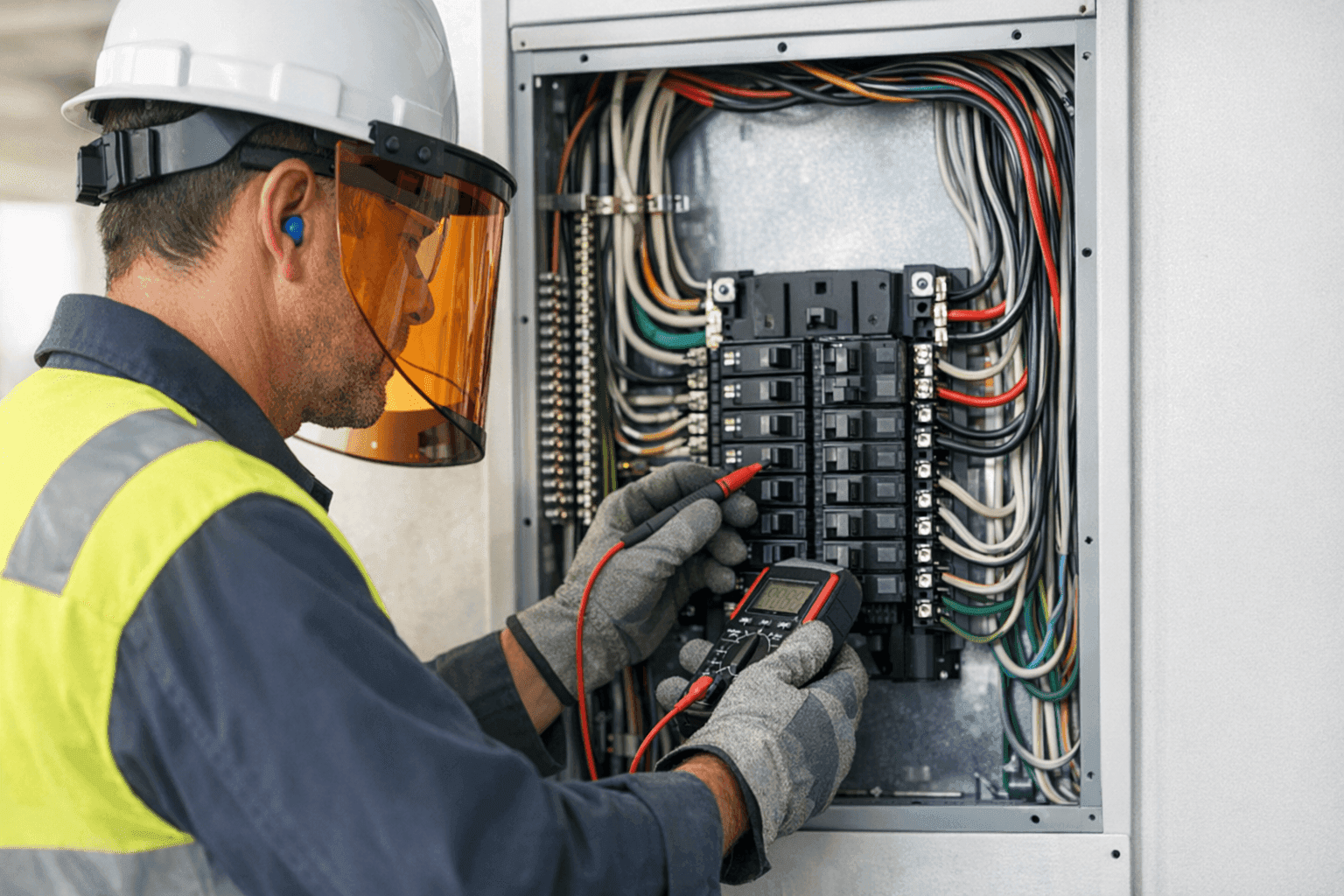
Electrical Fires: Why Dangers Hide in Plain Sight
Imagine relaxing in your living room, coffee in hand, when suddenly the lights flicker. It’s unsettling—and for good reason. Electrical fires strike fast, often without warning, and their aftermath can be devastating.
At LintPro Electric, we see firsthand the hidden risks inside homes and businesses. Whether you’re a homeowner or manage a bustling warehouse, understanding these risks is the first step to protecting everything—and everyone—you care about.
The Biggest Threats: What Causes Electrical Fires?
Electrical fires don’t happen by magic. They start from things people see every day:
- Overloaded circuits and extension cords
- Faulty or old wiring
- Outdated or damaged outlets
- Misuse of major appliances
- Ignored warning signs
Each is like a small leak in a dam—harmless at first, but with the power to unleash a flood.
Overloaded Circuits: The Silent Overheaters 🔥
Plugging in “just one more” device might seem harmless. But every circuit has a limit. Overloading it is like asking a bridge to carry a freight train—eventually, something gives.
Prevention Tips:
- Know your circuit limits. Most standard outlets are rated for 15-20 amps.
- Never daisy-chain power strips or extension cords.
- Unplug devices you’re not using.
- Consider adding dedicated circuits for high-demand appliances.
If you find yourself constantly tripping breakers, it’s time for a professional Safety Check.
Faulty or Outdated Wiring: Hidden Hazards in the Walls
Old wiring is like an old hose—cracks and frays let trouble leak out. Homes built before the 1980s often have wiring that can’t safely handle today’s power needs.
Signs of trouble:
- Frequent blown fuses
- Dimming or flickering lights
- Warm or discolored outlet covers
- Burning smells
How to Stay Safe:
- Schedule regular Electrical Safety Inspections.
- Upgrade wiring if your building is over 40 years old.
- Never ignore warning signs—call an electrician for peace of mind.
Damaged and Old Outlets: Sparks Waiting to Fly
Outlets are the gateway for all electricity in your space. When they’re loose, cracked, or burned, they’re like potholes waiting to trip you up.
Prevention Steps:
- Check outlets for heat, charring, or buzzing.
- Replace any that are loose or damaged.
- Install tamper-resistant outlets in homes with children.
- Use GFCI outlets in kitchens, bathrooms, and outdoors, as required by the National Electrical Code.
A professional can spot problems you might miss—don’t try to fix outlets yourself if you’re unsure.
Misusing Appliances: Small Mistakes, Big Consequences
Running too many high-wattage appliances on one circuit is like running a marathon in flip-flops. Sooner or later, something fails.
Common Mistakes:
- Using damaged cords or plugs
- Running appliances with frayed wiring
- Covering cords with rugs (which traps heat)
- Using the wrong extension cord for heavy-duty appliances
Stay Safe:
- Always read appliance manuals.
- Replace cords at the first sign of damage.
- Never run cords under carpets or through doorways.
Quick Safety Checklist: Spot the Red Flags
- Are any outlets warm or discolored?
- Do your lights flicker, especially when major appliances turn on?
- Do you smell burning plastic?
- Do fuses blow or breakers trip often?
- Are extension cords a permanent fixture?
If you checked “yes” to any, don’t wait—have an electrician assess your system.
DIY vs. Calling a Pro: Know Your Limits
Changing a lightbulb? Go for it. Rewiring your panel? That’s another story.
Electrical repairs are not a game of trial and error. One wrong move can cause a fire, injury, or worse. Electricians have the tools and training to work safely and spot problems you can’t see.
When in doubt, call in the pros. It’s not just about fixing a problem—it’s about preventing the next one.
What Pros Do On Arrival: The LintPro Electric Approach
When you call LintPro Electric, here’s what happens:
- We listen to your concerns.
- Perform a thorough visual and diagnostic inspection.
- Test outlets, wiring, breakers, and circuits.
- Identify code violations and safety risks.
- Offer clear recommendations—no jargon, just straight talk.
Our certified team follows all safety-first practices, referencing the latest National Electrical Code and local guidelines.
Prevention and Maintenance: The Only Way to Stay Ahead
Just like you’d tune up your car before a road trip, your electrical system needs regular check-ups.
Routine maintenance includes:
- Inspecting panels and breakers
- Checking for loose connections
- Testing GFCI and AFCI devices
- Inspecting wiring for age and wear
Regular maintenance is the best way to catch small issues before they spark big problems.
It’s Not Just About Wires: Smoke and CO Detectors Save Lives 🚨
Even the best wiring can’t replace a good smoke or carbon monoxide detector. These devices are your last line of defense.
Key Tips:
- Install detectors on every level, and near sleeping areas.
- Test monthly. Change batteries every 6 months.
- Replace units every 10 years (check the date on the back).
- Interconnect smoke detectors so if one sounds, they all do.
LintPro Electric installs and tests detectors as part of our safety checks. It’s a simple step that could save your life.
Fire-Safe Upgrades: Worth Every Penny
Sometimes, preventing fires means investing in safety upgrades:
- Arc-Fault Circuit Interrupters (AFCIs): Detect dangerous arcing before it starts a fire.
- Surge Protection: Shields your whole home from sudden voltage spikes.
- Tamper-resistant outlets: Keep curious fingers safe.
- Modern panels and breakers: Replace old fuse boxes with up-to-date protection.
Safety upgrades bring peace of mind and boost property value.
When It’s an Emergency: Act Fast, Stay Safe
Smell burning, see smoke, or hear sizzling? Turn off power at the breaker—if it’s safe. Leave the building and call emergency services. Then, call your electrician to investigate the source.
Never try to put out an electrical fire with water—use a class C extinguisher if you must.
Common Mistakes: Avoid These Fire-Starters
- Ignoring warning signs
- Overusing extension cords
- DIY fixes without proper knowledge
- Using old or recalled appliances
- Piling clutter around electrical panels
Remember: What you don’t know can hurt you. Don’t guess when it comes to electricity.
Signs of Trouble: What to Watch For
Some signs are subtle, others are glaring:
- Buzzing outlets or switches
- Breakers that won’t reset
- Lights that dim for no reason
- Unusual odors
- Outlets that spark
If you notice any, call for a Safety Check right away.
Timeline & Disruption: What to Expect
Worried about disruption? Most electrical inspections and minor repairs can be done in a few hours. Larger projects like rewiring or panel upgrades may take a day or two. LintPro Electric works efficiently and keeps you informed every step of the way.
Materials & Equipment: Quality Matters
We use only UL-listed, code-compliant parts and equipment. It’s the difference between a sturdy lock and a flimsy latch. Quality materials can mean the difference between safety and risk.
Costs & Time Factors: Investing in Prevention
The cost of prevention is a fraction of the price of repairing fire damage. Scheduled maintenance, inspections, and simple upgrades pay for themselves in safety and peace of mind.
FAQ: Your Electrical Fire Questions, Answered
How often should I schedule an inspection?
- Every 3–5 years for homes. Annually for businesses or older properties.
Can I use extension cords permanently?
- No. They’re meant for temporary use only.
Is DIY electrical work legal?
- In most places, only licensed electricians can perform major electrical work. Always check local codes.
Seasonal Considerations: When Risks Rise
Holidays, summer heat, and winter storms all add stress to your electrical system. More decorations, space heaters, or storm surges? That’s when fires are most likely. Schedule a maintenance check before peak seasons.
Your Next Step: Safety Starts Now
Electrical fires are preventable. With regular safety checks, smart upgrades, and a watchful eye, you keep risk at bay.
If you’re searching for an electrician company you can trust, or want to learn more about electrical fire prevention in the St. Clair Shores area, LintPro Electric is here to help.
Call LintPro Electric now — or reach us anytime at 844-484-8656 .