Residential Lighting Upgrades for Energy Efficiency
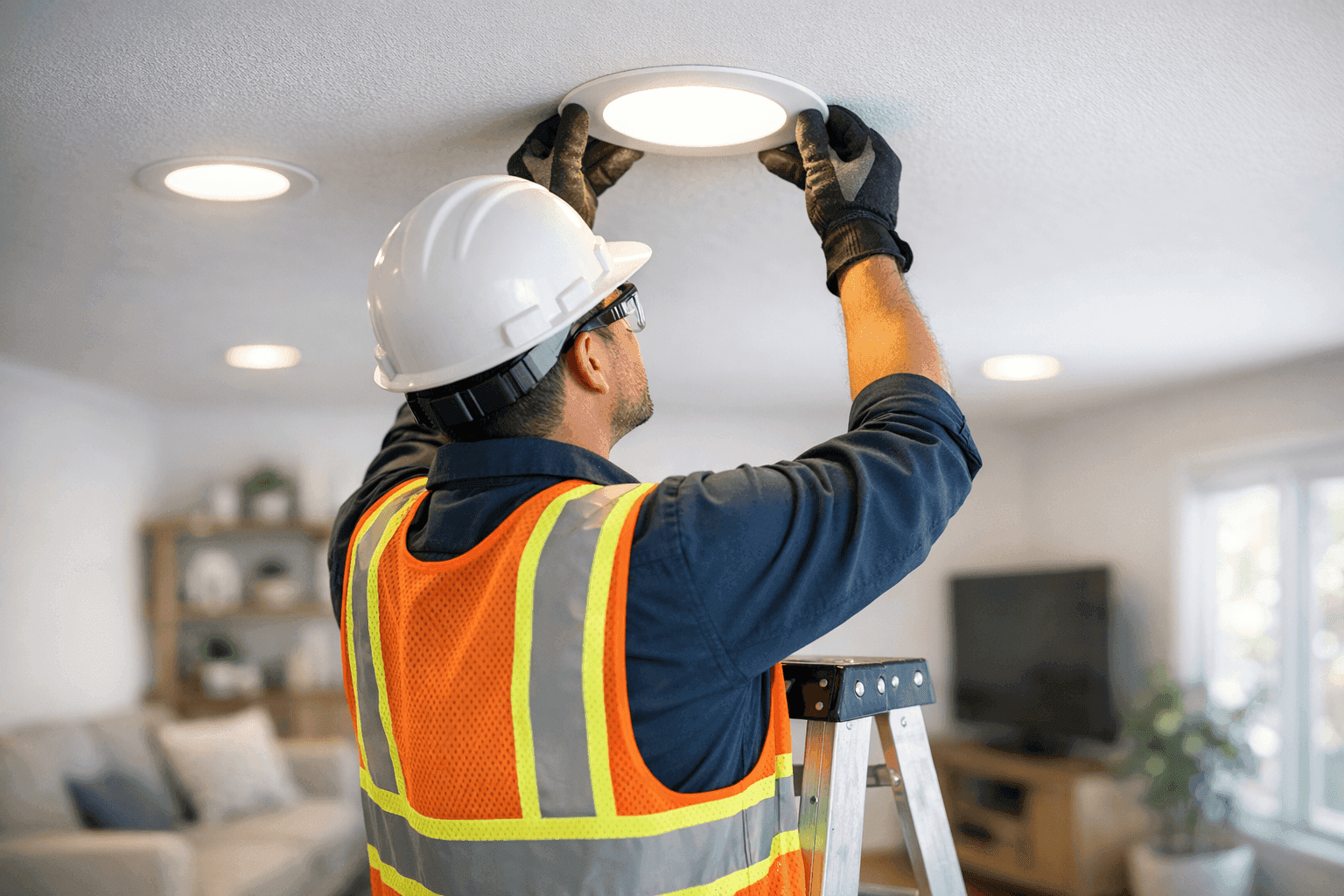
Are you tired of flipping the switch and watching your electric bill climb? You’re not alone. Lighting can pull more energy than you think—like leaving the tap running all day. At LintPro Electric, we help homeowners and businesses see the light (and the savings) that come with smart upgrades.
A few simple changes can brighten your space, lower your costs, and make your home safer. Let’s walk through what makes upgraded lighting a smart investment—and how working with a licensed electrician can make all the difference.
Why Lighting Makes a Big Dent in Your Energy Bill
Every bulb and fixture in your home or business adds up. According to the U.S. Department of Energy, lighting uses about 15% of the average home's electricity. That means old, inefficient bulbs are like tiny holes in your wallet.
Picture your energy bill as a leaky bucket. Upgrading your lighting is a quick way to plug those leaks.
The Bright Side: Benefits of Energy-Efficient Lighting
Upgrading isn’t just about saving money—though that's a big part of it. Here's what you gain by choosing newer, smarter lighting options:
- Lower electricity bills (some families save up to $225 a year)
- Longer-lasting bulbs—LEDs can last 25 times longer than old incandescents
- Cooler rooms (LEDs generate less heat)
- Better, more natural light quality
- Improved safety by reducing fire risk from hot, outdated bulbs
Think of LEDs as the Swiss Army knife of lighting: versatile, dependable, and efficient.
Types of Lighting Upgrades: Bulbs, Fixtures, and Controls
Lighting upgrades come in all shapes and sizes. Here’s how you can start:
1. Swap Out Bulbs
- LEDs: The gold standard for efficiency. They snap right into most existing sockets.
- CFLs: Still more efficient than incandescents, but not as long-lasting as LEDs.
- Smart bulbs: Control brightness and color from your phone.
2. Replace Outdated Fixtures
Old fixtures can waste energy—even with new bulbs. Modern fixtures are designed to work with efficient bulbs and spread light better.
- Recessed lighting: Sleek look, less wasted light.
- Track lighting: Flexible and easy to aim.
- Under-cabinet lights: Perfect for kitchens and workspaces.
3. Install Smart Controls
- Dimmers: Adjust light levels to fit the mood (and save energy).
- Timers: Lights turn on/off on your schedule.
- Motion sensors: Lights only when you need them.
Quick Safety Checklist Before You Upgrade
Energy-efficient lighting is only safe if installed correctly. Before starting, ask:
- Is your wiring up to code?
- Are your fixtures properly rated for the bulbs you’re using?
- Have you checked for flickering, buzzing, or tripped breakers?
If you answered “no” or “I’m not sure,” it’s time to call an electrician.
DIY vs. Professional: When to Call LintPro Electric
Changing a bulb? That’s a safe DIY. But if you’re swapping fixtures, adding dimmers, or re-wiring, the stakes are higher.
Here’s when you should hand it off to a pro:
- Upgrading multiple rooms at once
- Working with old or aluminum wiring
- Adding smart controls or automation
- Installing fixtures in wet areas (bathrooms, outdoors, poolside)
- Needing code-compliant Low Voltage Systems near you
Electricians at LintPro Electric are trained to spot hidden hazards and ensure everything meets the latest safety standards.
What Happens When a Pro Arrives?
Here’s what to expect when you call in a licensed electrician:
- Assessment: Your electrician checks your current lighting, wiring, and breaker panel.
- Recommendations: They suggest the best bulbs, fixtures, and controls for your needs.
- Code and Safety Review: All work is planned to meet National Electrical Code (NEC) requirements.
- Install and Test: Old fixtures come out, new ones go in, and everything is tested for performance.
- Clean-Up: No mess, no guesswork—your space is left bright and tidy.
How to Plan Your Lighting Upgrade Project
A little planning goes a long way. Start with these steps:
- Set your goals: Is it all about saving money, improving looks, or both?
- Walk your space: Make a list of dark corners, flickering bulbs, or outdated fixtures.
- Prioritize: Kitchens, bathrooms, and high-use areas usually benefit most.
- Budget: Factor in bulbs, fixtures, professional installation, and any upgrades to wiring or controls.
LintPro Electric can help you map out a project that fits your needs and timeline.
Codes, Permits, and Peace of Mind
Electrical work isn’t just about connecting wires. It’s about safety.
- National Fire Protection Association (NFPA) guidelines require code-compliant installs.
- Many cities require permits for major upgrades.
- Inspectors may need to sign off before you flip the switch.
A licensed electrician keeps your project legal, safe, and up to standard.
Estimating Your Savings (and How to Calculate)
Want to know what you’ll save? Try this:
- Check your power bill for “kWh” (kilowatt-hours) used by lighting.
- Multiply the number of bulbs by the hours they’re on each day.
- Switching from a 60W incandescent to a 10W LED saves about 50W per bulb, every hour.
For bigger homes or businesses, the numbers add up fast.
Choosing Fixtures That Fit Your Style and Budget
Energy efficiency doesn’t have to look boring. Today’s fixtures come in every shape, size, and finish.
Tips for picking the right ones:
- Match brightness: Look for “lumens” (not just watts) for a true measure of light output.
- Choose the right color: “Warm white” (2700K–3000K) for cozy spaces, “cool white” for work areas.
- Think about controls: Not all LEDs work with all dimmers—check compatibility.
- Ask about rebates: Many utilities offer incentives for switching to energy-efficient lighting.
Common Mistakes to Avoid
- Mixing incompatible bulbs and dimmers (results in flicker or buzz)
- Overloading circuits with too many new fixtures
- Installing wet-rated fixtures indoors (or vice versa)
- Skipping the permit—especially for major changes
When in doubt, consult an electrician. It’s better to ask now than pay for repairs later.
Timeline & What to Expect During an Upgrade
Most lighting upgrades take less than a day per room, but the timeline depends on:
- Number of fixtures
- Age of your wiring
- Any needed repairs or upgrades
You may need to turn off power for a few hours in each area. A good electrician keeps disruption to a minimum and always explains what’s next.
Electrical Safety Inspections: The Secret Sauce
A lighting upgrade is the perfect time for a safety check. Inspectors look for:
- Outdated or damaged wiring
- Overloaded circuits
- Proper grounding
- GFCI/AFCI protection where required
A clean bill of health means fewer surprises down the road.
Seasonal Tips for Energy-Efficient Lighting 🌤️
- Spring/Summer: Use natural light when possible; install outdoor LED fixtures for patios.
- Fall/Winter: Upgrade to brighter, warmer LEDs for cozy evenings and shorter days.
Adjusting your lighting with the seasons can keep comfort high and costs low.
Frequently Asked Questions
Q: Will LEDs work with my existing switches?
A: Most of the time, yes. But some dimmer switches need upgrading for full compatibility.
Q: Is it worth upgrading if I’m planning to move soon?
A: Absolutely. Efficient lighting boosts home value and appeals to buyers.
Q: How do I find a qualified electrician near me?
A: Look for licensed, insured professionals with solid references. LintPro Electric meets all these standards.
Why Licensed Experience and Safety Standards Matter
Your home is too important to trust to chance. Licensed electricians at LintPro Electric follow strict codes and safety protocols, so every upgrade is done right the first time.
We stay up-to-date with NEC changes, use only UL-listed fixtures, and never cut corners.
Next Steps: Ready for Brighter, Safer, More Efficient Lighting?
Whether you’re lighting up a single room or planning a full-home upgrade, you deserve a team who understands every detail. For help with your next lighting project—or to learn more about our Installations or Residential Services—reach out to LintPro Electric.
If you’re looking for an electrician company with a reputation for quality, see how our team serves your area by visiting our Huntsville electrician page.
Call LintPro Electric now — or reach us anytime at 844-484-8656 .