Smart Home Automation: Electrical Considerations for a Connected Home
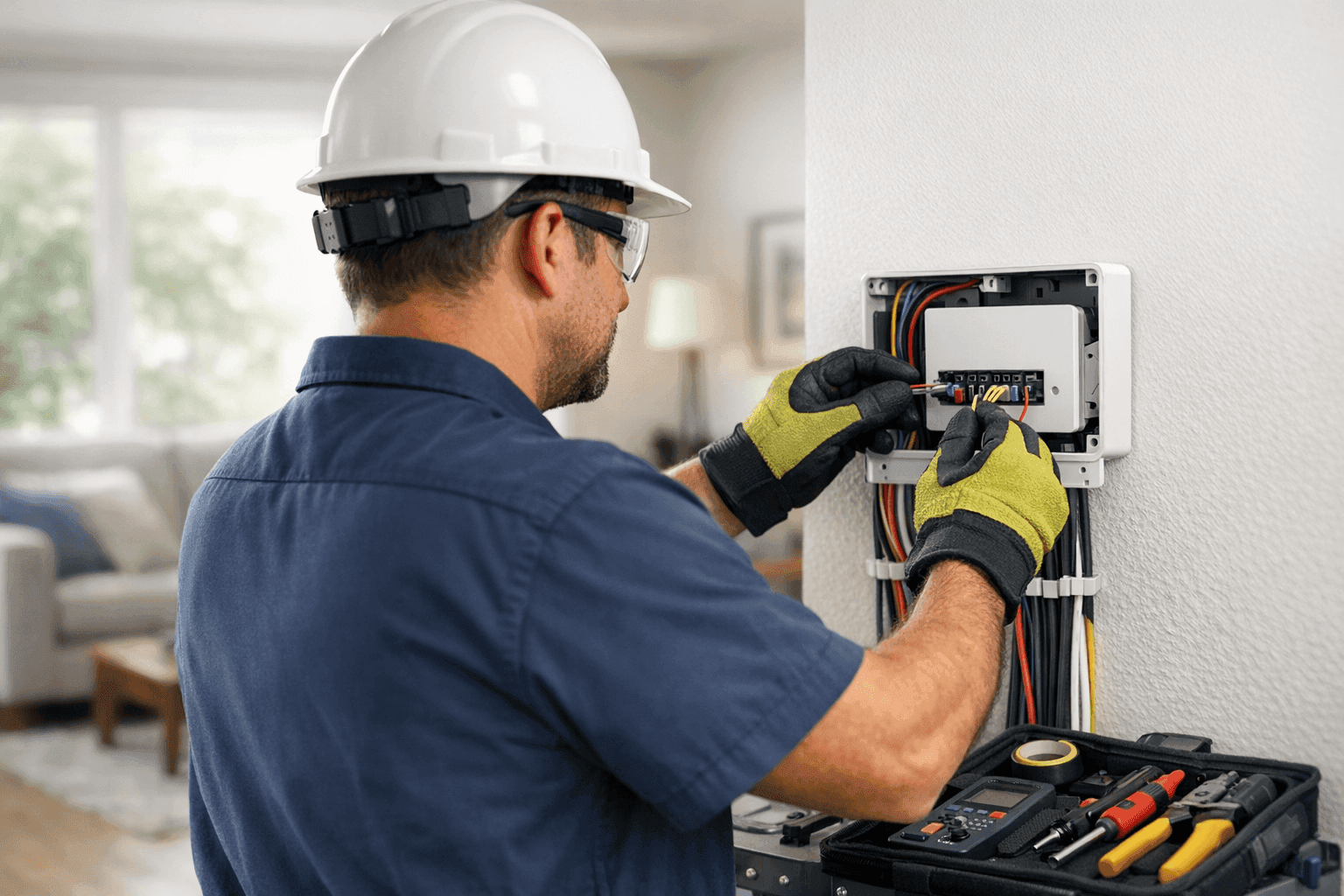
Smart homes aren’t just for tech enthusiasts anymore. With voice-activated lights, smart thermostats, remote security, and connected appliances, automation is moving into everyday life. But behind the scenes? Robust electrical systems are the invisible backbone. If your wiring can’t keep up, neither can your smart home.
LintPro Electric has seen it all—from first-time buyers to seasoned renovators. We know the thrill of turning your home into a connected hub. But every successful upgrade starts with safe, reliable power. Here’s what you need to consider before diving into home automation.
The Rapid Rise of Smart Homes
Picture walking into your home and everything responds—lights adjust, music plays, the temperature is perfect. That’s the dream. But as smart devices multiply, so do the electrical demands. According to the National Electrical Code (NEC), new installations and upgrades must keep up with modern power and safety needs. Ignoring this can lead to overloads, glitches, or worse—safety hazards.
Understanding Smart Home Wiring Requirements
Think of your home’s wiring like a highway system. More devices mean more traffic. Old, narrow roads (outdated wiring) can’t handle the load of connected gadgets, hubs, and automation panels.
- Dedicated Circuits: Smart home hubs and sensitive electronics often need their own lines to avoid electrical “traffic jams.”
- Low Voltage Systems near you: Many automation devices run on low voltage, requiring specialized wiring. Mixing these with standard circuits can lead to interference or failures.
- Future-Proofing: Running extra conduit or wiring now can save you headaches down the road as your system expands.
Electrical Panel Load: Can Your System Handle It?
Your electrical panel is the heart of your system. Adding new devices without checking the panel’s capacity is like plugging too many appliances into one outlet—something’s bound to give.
- Calculate Total Load: Each new smart device draws power. An electrician from LintPro Electric can assess your panel and recommend upgrades if necessary.
- Panel Upgrades: Sometimes, a new subpanel or main panel is needed to safely support automation features and high-draw devices like EV chargers or backup generators.
Device Compatibility: Not All Tech Plays Nice Together
Smart bulbs, thermostats, security cameras… it’s a crowded field. But not every device works with every system, and some require specific wiring or voltage.
- Neutral Wires: Many smart switches need a neutral wire—a detail missing in some older homes.
- Wired vs. Wireless: Wired systems offer stability and speed, but require more installation work. Wireless devices are flexible but depend on strong Wi-Fi and can occasionally interfere with one another.
- Surge Protection: Sensitive electronics need protection from power surges. Surge protectors at the panel and outlet level are a smart investment.
Best Practices for Smart Home Installations ⚡
Getting automation right means more than just plugging in devices. It’s a careful dance of planning, safety, and skill.
- Label Everything: With so many new wires, clear labeling prevents confusion and makes future repairs easier.
- Centralized Control Panels: Placing control equipment in a dedicated space makes maintenance simpler and keeps things tidy.
- Professional Testing: Before you start using your system, every connection should be tested for safety and performance.
Learn more about our Installations for smart homes.
Retrofitting Older Homes for Automation
Older homes have character—but often lack the wiring needed for smart tech. Upgrades may include:
- Rewiring: Replacing outdated or undersized wiring to handle new loads.
- Adding Outlets & Switches: More devices mean more places to plug in and control.
- Hidden Conduits: Running wires behind walls and ceilings preserves your home’s aesthetics while bringing it up to speed.
Code compliance is critical. The NEC and local building codes set strict standards for electrical safety. LintPro Electric’s team stays current with every change, ensuring your upgrades are both legal and safe.
Code Compliance: Don’t Skip the Basics
Cutting corners can lead to fines, failed inspections, or worse—accidents.
- Permits: Most automation upgrades require permits. Skipping this step might void your insurance or delay a sale.
- Qualified Electricians: DIY can be tempting, but with high-stakes systems, a licensed electrician is essential.
- Routine Inspections: Regular electrical safety inspections catch issues before they become problems.
For more on code requirements, check resources from the National Fire Protection Association (NFPA) and your local building department.
Safety First: Protecting Your Connected Home 🛡️
A smart home is only as safe as its wiring. Here’s how to keep yours protected:
- GFCIs and AFCIs: Ground-fault and arc-fault circuit interrupters are required in many areas—especially around water or in older homes.
- Smoke & CO Detectors: Interconnected detectors keep your family safe, and code often requires them to be hardwired.
- Emergency Shutoff: Make sure you and your family know how to cut power fast in case of trouble.
DIY or Call an Electrician? When to Call LintPro Electric
Changing a light bulb? Go for it. Running new wiring or upgrading your panel? That’s our job.
- Complex Installations: If you’re adding multiple smart devices, updating wiring, or working with high voltage, call a pro.
- Troubleshooting: Flickering lights, tripped breakers, or unresponsive devices often point to deeper issues.
- Peace of Mind: LintPro Electric brings years of hands-on experience with leading automation brands. We spot problems before they start.
Common Mistakes in Smart Home Upgrades
Everyone loves a shortcut, but some mistakes can be costly—or dangerous.
- Overloading Circuits: Don’t just keep plugging in new gadgets. Each circuit has a limit.
- Ignoring Code: Skipping permits or using the wrong wiring can halt projects and hurt resale value.
- Mixing Low and High Voltage: Keep systems separated to avoid interference and confusion.
Planning for Growth: Scalability and Flexibility
Smart homes don’t stand still. Maybe you start with lights and add security, then appliances, then whole-home audio. Plan now for what’s next.
- Extra Wiring: It’s easier (and cheaper) to add wires while walls are open.
- Expandable Panels: Choose equipment that supports future expansion.
- Modular Systems: Opt for automation platforms that play well with new tech as it’s released.
Timeline & Disruption: What to Expect
Let’s be honest—upgrades can be disruptive. Here’s how to keep things smooth:
- Clear Timeline: Most projects take a few days to a week, depending on complexity.
- Open Communication: LintPro Electric keeps you updated every step of the way.
- Prep Work: Clearing work areas and planning ahead reduces downtime.
Maintenance: Keeping Your Smart Home Running Smooth
Even the best systems need care. Schedule regular checkups for:
- Device Updates: Keep firmware and apps current to avoid security risks.
- Periodic Inspections: Wires and connections can loosen over time.
- Battery Backups: Test and replace batteries in smart locks, sensors, and detectors.
Signs You Need an Electrical Upgrade
- Frequent breaker trips or flickering lights.
- Outlets that feel warm or look discolored.
- Devices reset when larger appliances turn on.
- Lack of GFCI or AFCI protection in required areas.
If any of these sound familiar, it’s time to call in an electrician.
Frequently Asked Questions About Smart Home Automation
Is smart home automation safe?
Yes—if installed correctly and kept up to date with code requirements.
Can older homes be automated?
Absolutely, but it may require significant rewiring and panel upgrades.
How do I choose compatible devices?
Stick with established brands and consult with an electrician to ensure proper wiring and compatibility.
Will I need to upgrade my electrical panel?
Possibly. A load assessment by LintPro Electric can give you a clear answer.
Why Choose LintPro Electric for Your Smart Home Project?
We’ve worked with all the major automation platforms and understand the unique needs of both residential and commercial spaces. Whether you’re looking for Wiring & Circuits, low voltage upgrades, or full-system installations, our safety-first approach means you get reliable results—every time.
Looking for an electrician company that knows smart homes inside and out? Our team serves a wide area, including those searching for electrician services in Burlington.
Smart home automation brings comfort, convenience, and value—but only when it’s built on solid electrical foundations. Ready to create a connected home that works seamlessly and safely?
Call LintPro Electric now — or reach us anytime at 844-484-8656 .