Smoke and Carbon Monoxide Detector Placement: A Complete Guide
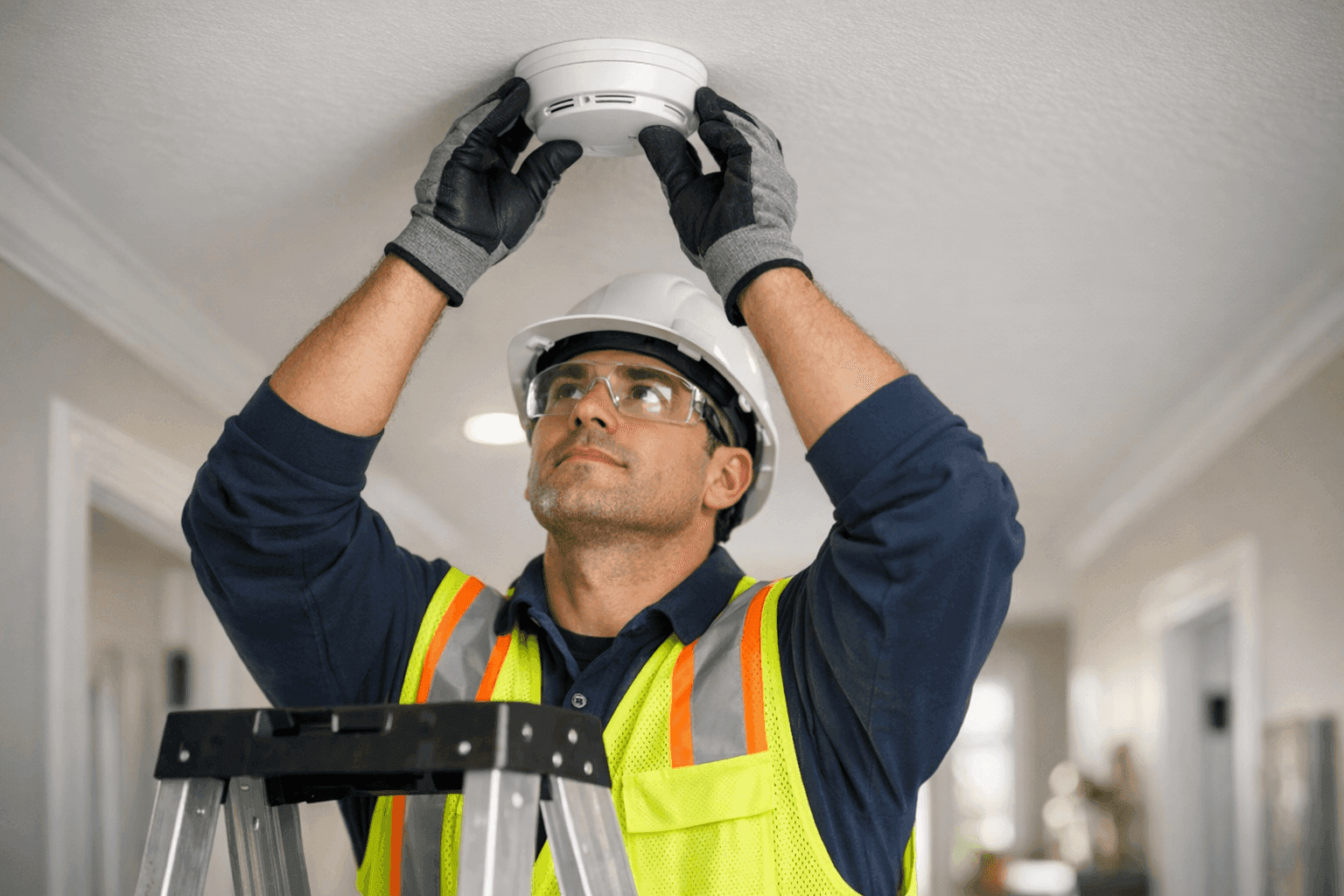
Smoke and carbon monoxide detectors are the silent guardians of your home or business. You rarely think about them—until you need them most. The placement of these devices isn’t just a box to tick; it’s a matter of life and safety.
As licensed electricians with years of hands-on experience, LintPro Electric understands the urgency behind getting it right. Electrical code updates, new technology, and real-world scenarios keep us sharp and focused. Let’s walk through essential steps to maximize your protection and peace of mind.
Why Detector Placement Matters
A detector in the wrong spot is like an umbrella with holes. It might look fine but won’t do its job when you need it. Early detection is everything in a fire or carbon monoxide emergency. The right placement gives you precious minutes to act.
Code Requirements: The Foundation of Safety
National Fire Protection Association (NFPA 72) and local building codes set the baseline. Here’s what’s generally required for most homes and businesses:
-
Smoke Detectors:
- Inside every bedroom, sleeping area, and directly outside each sleeping area.
- At least one on every level, including basements and attics if finished.
- In hallways connecting bedrooms.
- Not closer than 10 feet from cooking appliances.
-
Carbon Monoxide Detectors:
- Outside each sleeping area.
- On every level, including basements.
- In the vicinity of fuel-burning appliances.
Commercial spaces have additional requirements. Always check with your local building department or schedule a Safety Check to verify compliance.
Where to Place Smoke Detectors for Maximum Protection 🛑
Think of smoke like steam from a boiling kettle—it rises fast and fills the highest points first.
- Ceilings: Centered, away from corners and walls (minimum 4 inches from the wall).
- Sloped Ceilings: Mount near the peak, but at least 4 inches from the apex.
- Hallways: Place detectors no more than 30 feet apart.
- Stairways: At the top and bottom—smoke follows air currents.
Avoid:
- Kitchens (false alarms)
- Bathrooms (steam)
- Near windows, ducts, or fans (drafts interfere)
Carbon Monoxide Detector Placement: Key Spots
CO gas is sneaky—it mixes evenly with air and doesn’t rise like smoke.
- Outside Bedrooms: Place on the wall, eye level is ideal.
- Each Floor: Especially if you have gas appliances or attached garages.
- Basements: Near the door to the rest of the home.
Avoid:
- Direct sunlight
- Humid areas like bathrooms
- Within 15 feet of fuel-burning appliances (to prevent false alarms)
Common Placement Mistakes (And How to Fix Them)
Even the best intentions can go sideways. Here are mistakes we find during installations:
- Too High or Too Low: Mounting CO detectors on the ceiling or floor (they belong at breathing height).
- Behind Furniture: Blocked sensors can’t do their job.
- Single Detector Only: Relying on one device for a whole house.
- Ignoring the Garage: CO can seep from attached garages.
Correction:
- Follow manufacturer and code recommendations.
- Test placement by using “test” smoke or CO sprays (available at hardware stores).
Interconnected and Smart Detectors: Modern Solutions 🔗
When one alarm sounds, they all do. That’s the power of interconnected detectors—wired or wireless. This system is now required by code in many new homes and remodels.
Benefits:
- Instant alerts throughout the building.
- Increases evacuation time.
- Integrates with smart home systems for mobile notifications.
Smart detectors add features like voice alerts, self-testing, and app-based monitoring. They’re especially valuable for multi-level homes and busy commercial properties.
DIY vs. Professional Installation
Changing a battery? DIY is fine. Installing new wiring, hardwired detectors, or interconnected systems? That’s a job for a licensed electrician.
Why?
- Code knowledge: Requirements change—pros stay current.
- Safety: Incorrect wiring can disable all alarms.
- Peace of mind: Professional installations come with a certificate of compliance.
What Happens During a Professional Installation
A LintPro Electric technician arrives ready. Here’s the process:
- Assessment: Evaluate home or business layout.
- Consultation: Explain code and best practices.
- Placement: Mark and install according to code.
- Testing: Verify each unit, including interconnected systems.
- Documentation: Provide a record for your insurance or building authority.
Quick Safety Checklist
- Test alarms monthly.
- Change batteries twice a year (or as needed).
- Replace units every 7-10 years (check manufacturer date).
- Vacuum detectors to remove dust.
- Review escape plans with everyone in the building.
When to Schedule a Safety Check
- After renovations or major appliance upgrades.
- Moving into a new property.
- If alarms chirp, malfunction, or appear discolored.
- Seasonal checks: before winter (heating season) and summer (AC use).
Signs Your Detectors Need Attention 🚨
- Frequent false alarms.
- Chirping or beeping when not testing.
- No sound during testing.
- Visible yellowing or damage.
- Outdated model (older than 10 years).
If in doubt, call for a Safety Check.
Commercial Spaces: Special Considerations
Businesses face unique challenges—large spaces, multiple exits, and mixed-use areas. Detector placement must account for:
- Occupancy load and fire code.
- High ceilings or open areas.
- Machinery or special equipment.
- Regular maintenance schedules.
LintPro Electric helps companies meet insurance and code requirements without cutting corners.
Materials and Equipment Used
- Dual-sensor smoke alarms (ionization and photoelectric)
- CO detectors with digital displays
- Combination smoke/CO units
- Hardwired and battery backup systems
- Wireless interconnected alarms
We use only UL-listed products that meet or exceed code.
Prevention and Maintenance Tips
- Don’t paint detectors—this blocks sensors.
- Keep them free of dust and cobwebs.
- Replace backup batteries even in hardwired units.
- Schedule annual inspections with a licensed electrician.
Timeline and Disruption: What to Expect
Most residential installs take less than a day. Commercial projects vary by size but are planned to minimize business disruption. We work around your schedule—day or night.
Frequently Asked Questions
Do I need both smoke and CO detectors if I have electric-only appliances?
Smoke, yes. CO is less urgent, but always required if you have an attached garage or fireplace.
Can I use combination units?
Yes, if they’re UL-listed for both smoke and CO.
How do I know if my alarms are interconnected?
Press “test” on one—if the rest sound, they’re connected.
Seasonal Considerations
- Winter: More heater use means more CO risk.
- Summer: Closed windows can trap smoke or CO.
- Holiday decorating: Don’t block detectors with garland or lights.
Why Choose Licensed Detector Installers
Your safety depends on more than just good intentions. Licensed professionals bring code expertise, proper tools, and real-world experience. LintPro Electric’s team stays updated with the latest NFPA and local code changes—so you don’t have to.
For those searching for Low Voltage Systems near you or a reliable electrician company, we’re here to help. If you’re in the area, see how we support Smoke & Carbon Monoxide Detectors in your community.
Ready to Maximize Protection?
A well-placed detector is one of the simplest ways to protect what matters. Whether it’s a new installation, upgrade, or annual maintenance, don’t leave safety to chance.
Call LintPro Electric now — or reach us anytime at 844-484-8656 .