The Complete Guide to Home EV Charger Installation
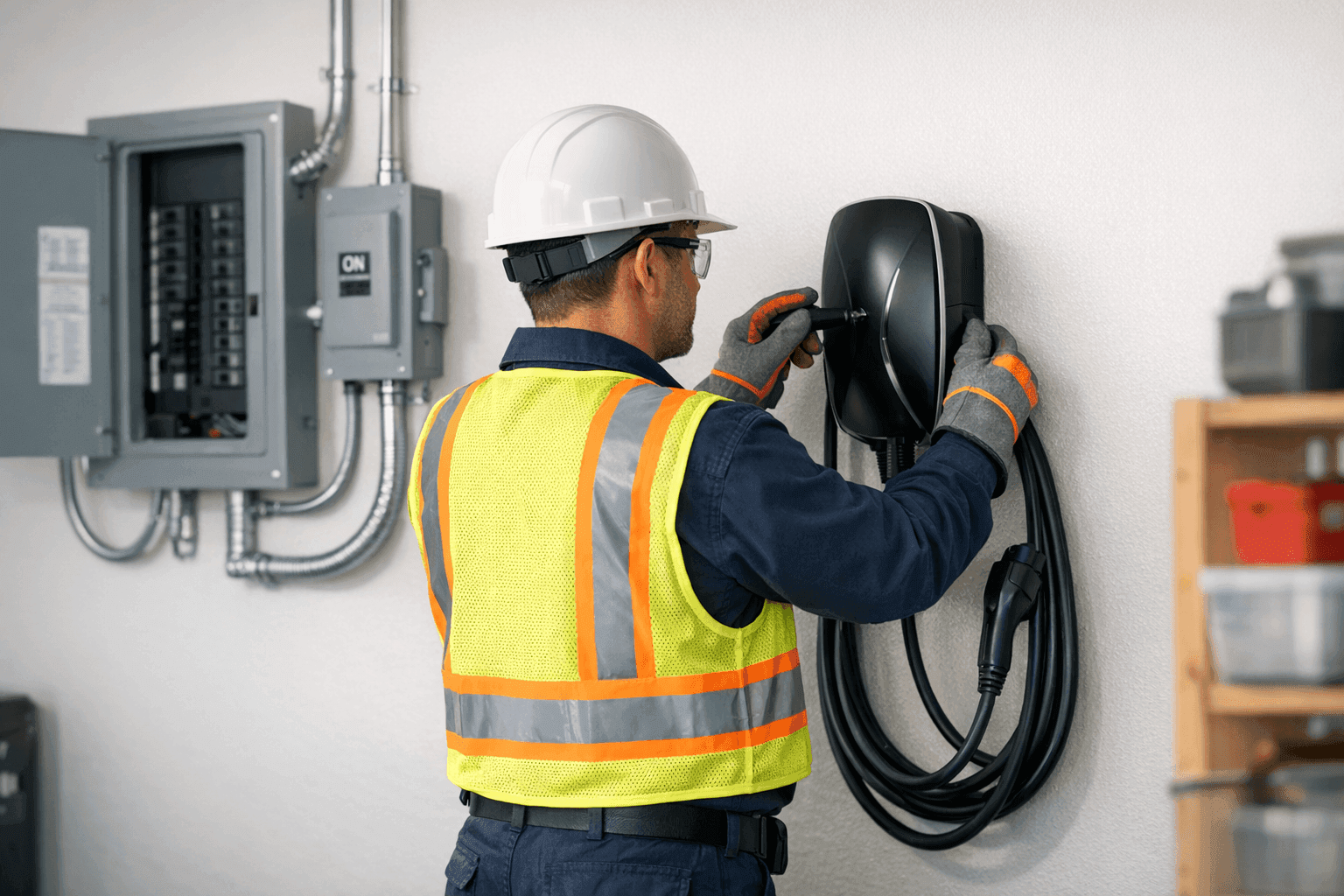
Are you thinking about making the switch to an electric vehicle? Home charging is a game-changer—no more detours to the gas station or waiting in line at public stations. But installing an EV charger isn’t just a plug-and-play situation. It’s more like setting up a home for a new family member: you want it done right, safe, and ready to last.
At LintPro Electric, we’ve helped countless homeowners and businesses prepare for the electric future. Our certified electricians know what it takes to install EV chargers that are safe, reliable, and up to code. If you’re curious about the process, you’re in the right place.
Why Charge at Home? The Everyday Benefits
Charging at home isn’t just convenient—it’s empowering. Imagine starting every day with a “full tank.” No rushing out in the cold or waiting for a spot to open up. Plus, charging at home can be cheaper than public stations, especially if you charge overnight during lower-rate hours.
- Save time and money over the long run
- Protect your battery with controlled, consistent charging
- Boost your property value with future-ready features
EV charging at home isn’t just a lifestyle upgrade. It’s peace of mind.
Types of EV Chargers: Level 1 vs. Level 2 ⚡
There are two main types of chargers for homes:
Level 1 Chargers
- Use a standard 120V outlet (like most household plugs)
- Add 3–5 miles of range per hour
- No special installation—but slow charging
Level 2 Chargers
- Require a 240V circuit (like a dryer or stove)
- Add 20–40 miles of range per hour
- Need professional installation for safety and code compliance
Level 2 chargers are the sweet spot for most EV owners. They charge overnight, handle higher loads, and are compatible with nearly all vehicles.
Electrical Requirements: What’s Hiding Behind the Walls?
Before you bring home your charger, it’s time for a reality check. Can your home’s electrical system handle the extra demand? Think of your main panel as a heart—can it pump enough power for your EV and everything else?
- Panel capacity: Most Level 2 chargers need a dedicated 40- to 60-amp circuit.
- Wiring: The right gauge and insulation matter for safety and efficiency.
- Grounding: Proper grounding protects your home and charger.
LintPro Electric always starts with a thorough assessment, ensuring your system is ready for the load.
Panel Upgrades: When Is More Juice Needed?
Sometimes, the answer is “yes—you need more power.” Older panels, or those already loaded with appliances, might not be up to the task. Upgrading your panel is like widening a highway: more lanes mean smoother traffic and fewer risks.
Signs you may need an upgrade:
- Flickering lights or frequent breaker trips
- Home built before 1990
- Not enough open breaker slots
A panel upgrade isn’t just for your EV charger—it’s a boost for your whole home’s safety and functionality. Thinking about future-proofing? This is the time.
Permitting: The Paper Trail That Matters 📝
Every city or county has rules for electrical work, especially for high-demand installations like EV chargers. Permits aren’t just red tape—they’re protection. They ensure licensed professionals do the work and that it’s inspected for safety.
LintPro Electric handles all permitting, so you don’t get stuck guessing what forms to file or what codes to follow. We’re familiar with the latest National Electrical Code (NEC) requirements and local amendments.
Safety First: Quick Checklist Before You Start
Before anything gets wired up, run through this checklist:
- Does your panel have space and capacity?
- Is the proposed location dry, accessible, and close to where you park?
- Is there clear access for cable routing?
- Are you using a charger certified by UL or another recognized safety organization?
If you’re unsure about any step, call an electrician. Cutting corners can lead to costly—and dangerous—mistakes.
DIY vs. Professional Installation: Why Call an Electrician?
Installing an EV charger is not a weekend project. It’s more like installing a powerful new appliance that draws more electricity than anything else you own.
Risks of DIY:
- Fire hazards from incorrect wiring
- Code violations leading to fines or denied insurance claims
- Voided charger warranties
Professional installation ensures every detail is safe and compliant. LintPro Electric’s team is certified and trained in EV charger installs—our work stands up to inspection, now and in the future.
What to Expect: The Installation Timeline
Here’s how a typical installation unfolds:
- Assessment: We inspect your panel, wiring, and site.
- Permitting: We secure all necessary approvals.
- Installation: New circuit, wiring, and charger mount.
- Inspection: Local authorities verify the work.
- Commissioning: We test the charger, walk you through it, and answer questions.
Most jobs take less than a day, but upgrades or complex layouts can add time. We’ll keep you informed every step of the way.
Materials and Equipment: What’s Needed?
Every job is unique, but most residential EV charger installations require:
- The charger (Level 2, UL-listed)
- 240V circuit breaker
- Proper gauge wire (usually 6 AWG or heavier for 40+ amps)
- Weather-resistant conduit (for outdoor installs)
- Mounting hardware and signage (as required)
LintPro Electric sources only code-compliant, high-quality materials.
The Importance of Compliance and Warranty Protection
Many EV charger manufacturers require professional installation for the warranty to be valid. Skipping this step could mean you’re on your own if something fails. Worse, insurance companies may deny claims if unlicensed work causes an incident.
Our electricians hold all necessary certifications and stay updated on the latest code changes. We issue Certificates of Completion and make sure your install is officially documented.
Maintenance Tips: Keeping Your Charger in Top Shape 🧰
An EV charger is built to last, but a little care goes a long way:
- Inspect cords and plugs monthly for wear or damage
- Keep the unit clean and dry
- Test the GFCI (if equipped) every few months
- Schedule an electrical safety check annually
If you spot any issues—like tripped breakers or unusual noises—call an electrician immediately.
Common Mistakes to Avoid
- Using an extension cord for your EV charger (never safe!)
- Ignoring panel limitations
- Mounting the charger where it’s exposed to extreme weather without proper protection
- Not getting the required permit
A trusted electrician can help you sidestep these pitfalls.
FAQs: Straight Answers to Common Questions
Q: Can I use my dryer outlet for my EV charger?
A: Not safely—EV chargers require a dedicated circuit.
Q: How much will my electric bill go up?
A: It depends on your driving habits and utility rates, but usually less than fueling a gas car.
Q: Do I need a smart charger?
A: Smart chargers offer scheduling and monitoring features, but aren’t required. We can help you choose.
Why Choose LintPro Electric for Your EV Charger Installation?
We bring years of experience in Low Voltage Systems, electrical system design, and custom Installations for both homes and businesses. Every job meets the latest NEC standards and local codes. Our team explains every step, answers questions, and keeps the process stress-free.
Looking for more help with Residential Services or a qualified electrician company in Ocala? We’re proud to serve the community with reliable, code-compliant work.
Preparing for the Future: Your Next Steps
EVs are more than a trend—they’re the new normal. Whether you’re ready to install now or just gathering info, taking the first step puts you ahead of the curve. Don’t leave your safety or investment to chance.
Call LintPro Electric now — or reach us anytime at 844-484-8656 .