The Complete Guide to Installing and Upgrading Home Generators
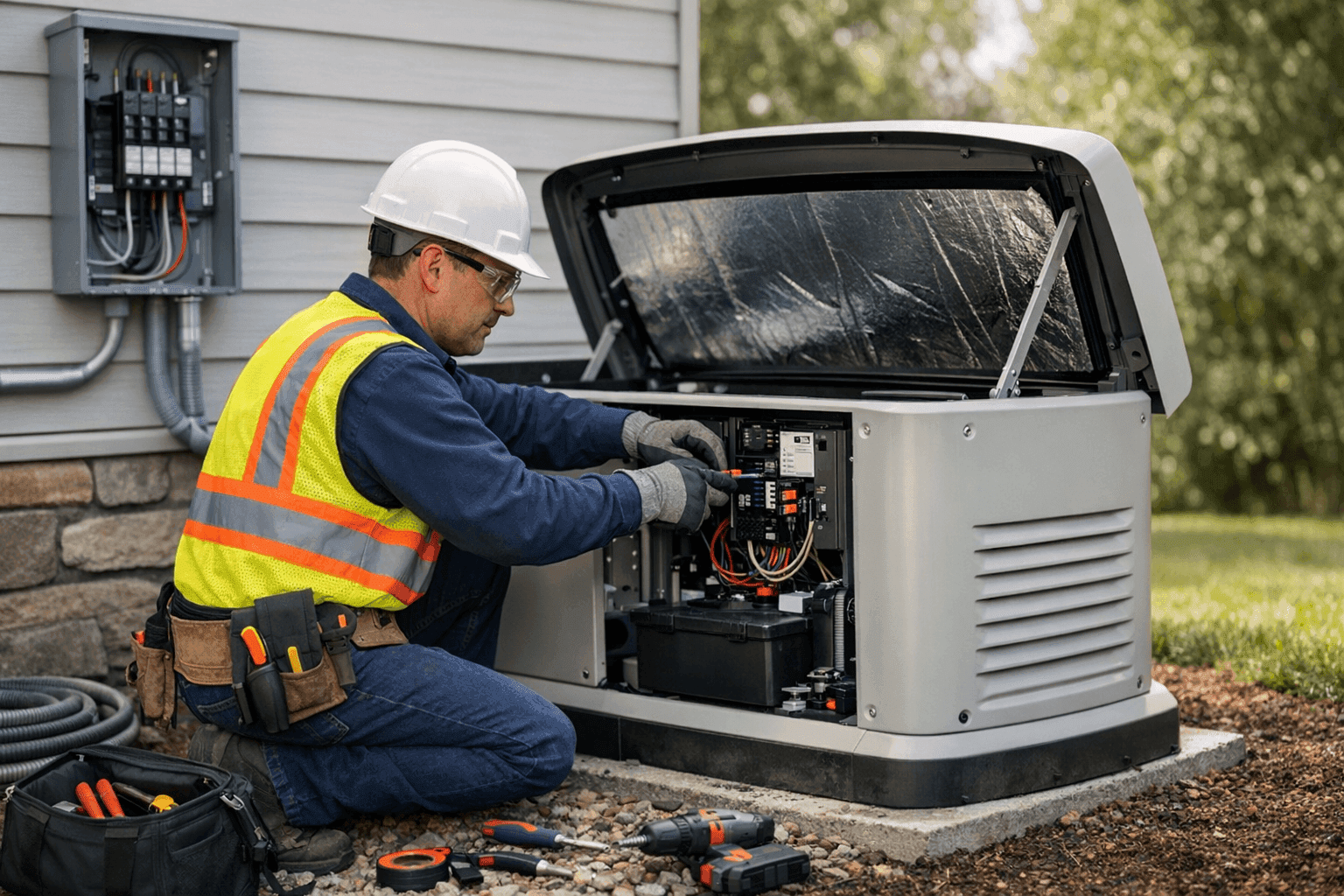
Is your power as reliable as you need it to be? Most of us don’t think about generators until the lights flicker off and that uneasy silence sets in. But with outages on the rise and weather growing less predictable, a backup power plan isn’t a luxury—it’s peace of mind.
At LintPro Electric, we help families and businesses stay powered, safe, and comfortable. Here’s your practical, professional guide to installing and upgrading home generators—straight from certified electricians who’ve seen it all.
Why Home Generators Matter More Than Ever ⚡
Life doesn’t pause for power outages. Freezers thaw, work-from-home setups fail, and safety systems go dark. From summer storms to winter’s chill, grid instability affects everyone. A home generator is like having a safety net—ready to catch you when the utility lines drop.
For businesses, the risk is even bigger. Lost power can mean lost revenue, damaged equipment, or safety hazards. That’s why so many are turning to generators as a core part of their emergency planning.
Types of Home Generators: Which Is Right for You?
Generators come in shapes and sizes as different as the homes and businesses they protect. Here’s a quick lay of the land:
- Portable Generators: Affordable, movable, and great for short-term needs. They power a few essentials via extension cords or a transfer switch. Think tailgating—or a lifeline for your fridge and a few lights.
- Standby Generators: Permanently installed outside your home, hardwired into your electrical panel. When the power goes out, they fire up automatically. These units run on natural gas or propane and keep everything humming—no hauling or refueling required.
- Inverter Generators: Quieter, more fuel-efficient, and safe for sensitive electronics. Ideal for smaller homes or as a bridge between portable and standby types.
Not sure what you need? An electrician can size up your property, your priorities, and your budget. The right fit keeps your lights on and your worries low.
Sizing Your Generator: Power Needs and Planning
Bigger isn’t always better. Choosing the right generator size is like picking the right-sized umbrella for a storm—too small and you’ll get wet, too big and you’re just wasting money.
Here’s what goes into sizing:
- List Essentials: What do you need powered? Fridge, sump pump, Wi-Fi, medical devices, HVAC? Add up their wattages.
- Starting vs. Running Power: Some appliances need a burst of energy to start (think AC units or refrigerators). Your generator must handle those surges.
- Future-Proofing: Planning for an electric vehicle, pool, or workshop? Factor that in now.
A professional electrician uses load calculations and National Electrical Code (NEC) guidelines to recommend a unit that fits. Don’t guess—get it right the first time.
Installation: Step-by-Step With Safety First
Proper installation is critical. It’s not just about plugging in and flipping a switch.
Here’s how the pros do it:
- Site Assessment: Choose a safe, code-compliant location—away from windows, vents, and doors to prevent carbon monoxide buildup.
- Permitting: Many cities require permits and inspections for generator installs. LintPro Electric handles this paperwork so you don’t have to.
- Wiring & Fuel Connections: Certified electricians connect your generator to your electrical panel and fuel source (natural gas, propane, or diesel). We use only approved Low Voltage Systems near you for safe connections.
- Transfer Switch Installation: This device safely shifts your home from grid to generator power, preventing dangerous backfeeding.
- Testing & Training: We run a full test, check all safety features, and walk you through operating your new generator.
Never cut corners. Electrical code violations can void insurance and put your family at risk. Always hire a licensed electrician for installations.
When Is It Time to Upgrade Your Generator? 🛠️
Even the best generators age out. But how do you know it’s time to move up?
- Increased Power Needs: Added a home office, EV charger, or new appliances? Your old generator may struggle.
- Frequent Repairs: If you’re calling for service every storm, replacement may be cheaper in the long run.
- Outdated Tech: Newer generators are quieter, more efficient, and smarter—some even link to your phone for remote monitoring.
- Code Changes: Electrical codes evolve. Upgrading ensures your system is safe and compliant.
If your generator smells like burning oil, groans under load, or can’t keep up, it’s time to talk upgrades. Don’t wait for failure.
What Triggers an Emergency Call?
Some signs you shouldn’t ignore:
- No Power Transfer: The generator runs but your lights stay off.
- Strange Noises or Smells: Loud bangs, grinding, or burning odors mean trouble.
- Warning Lights: Many standby units have status lights. Red or blinking? Call fast.
If your generator fails during an outage, don’t risk a DIY fix. Our 24 Hour Service team responds day or night.
Code Requirements: Safety First, Always
Generators are powerful machines—and with power comes responsibility. All installations must meet the NEC, local building codes, and manufacturer specs. This isn’t just about fines. It’s about real safety.
- Proper Grounding: Prevents shocks and electrical fires.
- Correct Fuel Lines: Leaks can be deadly. Always use licensed professionals for gas or propane hookups.
- Transfer Switches: Required by code to isolate your generator from the grid.
- Clearances: Adequate airflow keeps exhaust away from your family.
LintPro Electric’s certified generator installers keep you compliant, safe, and up to date.
Maintenance: Keeping Your Generator Ready 🚧
A generator is like a car—it needs love to last.
Basic tips:
- Run It Monthly: Fire up your generator at least once a month. Listen for odd noises.
- Check Oil and Fuel: Low oil can cause a shutdown. Keep fuel fresh.
- Inspect Connections: Look for loose wires or corrosion.
- Professional Checkups: Schedule annual inspections with an electrician. We’ll check everything from spark plugs to transfer switches.
Follow the manufacturer’s maintenance schedule and keep records. It’s your best insurance against surprise failures.
Common Pitfalls and How to Dodge Them
- Ignoring Load: Running too many appliances at once can overload your unit.
- Improper Storage: Portable generator left outside? Rust and weather can destroy it.
- DIY Wiring: Unlicensed work is dangerous and often illegal.
- Skipping Tests: If you don’t test, you won’t know it works—until it doesn’t.
Stay safe. When in doubt, call a professional.
Generator Warranties: What Should You Expect?
Most new generators come with warranties—typically 2–5 years. Coverage includes parts, labor, and sometimes on-site repairs. But here’s the catch: warranties often require professional installation and regular maintenance.
Fine print to check:
- What’s covered (and what isn’t)?
- Are there maintenance requirements?
- How do you file a claim?
LintPro Electric works with top brands and helps you register and maintain your warranty. We’re with you for the long haul—not just the install.
DIY vs. Professional Installation: Pros, Cons, and Real Risks
It’s tempting to save a buck with a DIY install. But with generators, the risks are high. You’re dealing with fuel, high voltage, and the potential for backfeed into the grid.
Why hire a professional electrician?
- Code Compliance: We know the latest regulations.
- Safety: Proper installation prevents shock, fire, and carbon monoxide poisoning.
- Efficiency: We get it done right, the first time.
- Warranty Protection: Many manufacturers require certified installation.
Let us sweat the details. You enjoy the peace of mind.
Generator Installation Timeline: What to Expect
Wondering how long the process takes? Here’s a typical timeline:
- Consultation & Estimate: 1–2 days. We assess your needs and recommend options.
- Permitting: 1–3 weeks, depending on local requirements.
- Installation: Usually 1–2 days for most homes.
- Inspection & Testing: Same day or next day.
We minimize disruption so you can get back to life—powered up and worry-free.
Safety Checklist: Before and After Installation ✅
Before:
- Clear debris from install site.
- Plan for fuel delivery/storage.
- Notify your utility company if required.
After:
- Review the user manual.
- Test transfer switch and generator regularly.
- Keep emergency numbers handy.
- Schedule routine inspections.
Safety isn’t a one-time event. It’s a habit.
Seasonal Generator Care: Weathering Every Storm
- Spring/Summer: Check for storm debris, rodent nests, and clean air filters.
- Fall/Winter: Inspect fuel lines for cold cracks. Make sure snow or leaves don’t block vents.
A little preparation goes a long way when the weather turns wild.
Certified, Full-Service Generator Support—Every Step of the Way
At LintPro Electric, we’re not just about installations. We offer full support, from design and permits to annual maintenance. Our electricians are certified for all major brands and types. Whether you’re looking for standby units, backup generators, or a custom solution, we’ve got your back.
Need help with machine wiring, surge protection, or Low Voltage Systems near you? Our team is equipped for both residential and commercial projects.
A safe, reliable generator isn’t just a box outside your house—it’s the backbone of your family’s comfort and your business’s success. Ready to keep your power—and your peace of mind—on?
Call LintPro Electric now — or reach us anytime at 844-484-8656 .