The Electrician’s Guide to Preventing Electrical Shock in the Home
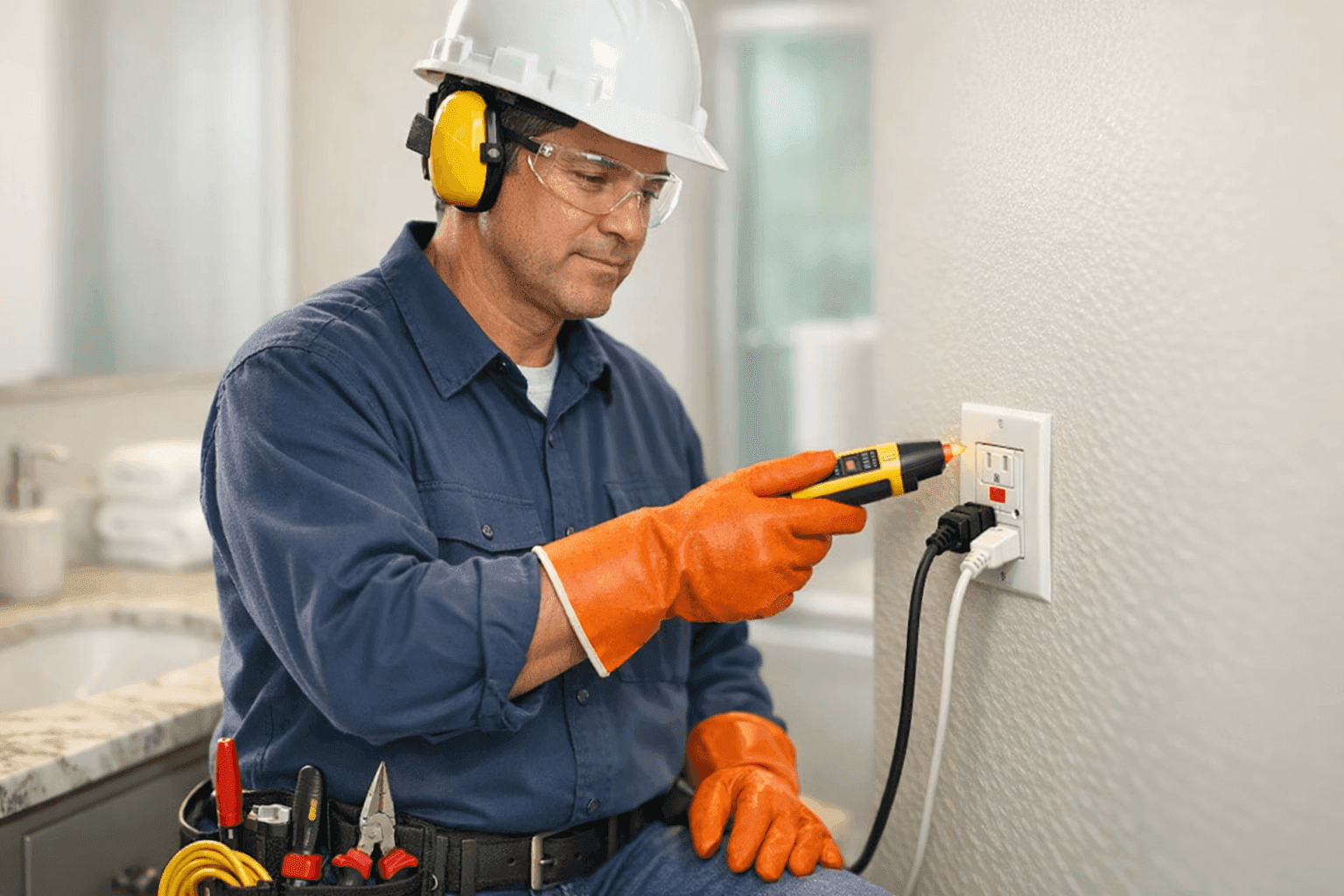
Are you worried about electrical shock lurking behind your walls or under your feet? You’re not alone. Each year, thousands of homes face hidden dangers that can turn a normal day into an emergency. At LintPro Electric, we see the real risks—so you don’t have to.
Let’s pull back the curtain on electrical shock hazards and show you how to keep your family, employees, and property safe. This isn’t theory; these are the practical steps and professional insights we live by.
Where Shock Hazards Hide: The Usual Suspects
Water and electricity are a dangerous duo. Kitchens, bathrooms, laundry rooms—anywhere moisture and power mix, you’re at risk. Damaged cords snake across floors, inviting curious pets and children. Cracked outlets, missing covers, and wobbly switches? These are silent threats.
Common shock hazards include:
- Wet areas (kitchens, bathrooms, basements)
- Frayed or damaged appliance cords
- Faulty or older outlets and switches
- Extension cords under rugs or furniture
- Overloaded power strips
- Outdated panels or breakers
- DIY wiring gone wrong
It’s like leaving a loaded mousetrap in every room—eventually, someone gets hurt.
Quick Safety Checklist: Are You at Risk? ⚡
A five-minute walk-through can reveal a lot. Grab a pen and check for:
- Outlets near sinks lacking GFCI protection
- Cords with visible wear or exposed wire
- Warm or sparking outlets
- Flickering lights
- Circuit breakers that trip repeatedly
- Appliances making buzzing or crackling sounds
If you spot any of these, don’t shrug it off. Each is a red flag waving for your attention.
The Invisible Threat: What Causes Electrical Shock?
Electricity always seeks the shortest path to the ground. If your body becomes that path, you’ll feel the jolt—sometimes mild, sometimes deadly. The most common causes:
- Contact with live wires or terminals
- Faulty wiring in walls or appliances
- Standing water conducting stray voltage
- Metal tools or jewelry bridging circuits
According to the National Fire Protection Association (NFPA), even small currents can cause dangerous effects, especially in children or those with heart conditions.
GFCI: The Unsung Hero of Modern Safety
Ground Fault Circuit Interrupters (GFCIs) are like lifeguards for your electrical system. Detecting even a tiny imbalance in current, they shut off power in a blink—often before you can feel a thing.
Install GFCI outlets:
- In bathrooms, kitchens, laundry, garages, and outdoors
- Anywhere water and power might meet
Check monthly. Press “Test,” then “Reset.” If it doesn’t click, it’s time for a replacement.
Outlets and Switches: Small Devices, Big Responsibilities
Loose, cracked, or scorched outlets are like open windows in a storm—inviting disaster. Modern outlets should grip plugs snugly, with no play or sparks.
If you feel warmth, hear buzzing, or see discoloration, call for immediate repairs. Upgrading outlets and switches is a quick, affordable way to boost home safety.
Wet Areas: Extra Caution Zones
Bathrooms and kitchens are ground zero for shock risks. Never touch switches or appliances with wet hands. Keep cords and chargers away from sinks and tubs. Install covers on outdoor outlets.
For added protection, consider GFCI breakers and weather-resistant outlet covers. These simple upgrades can prevent tragic accidents.
Damaged Cords: When to Toss, When to Repair
That old lamp with the tape-wrapped cord? It’s not worth the risk. Damaged insulation exposes you to live current. Replace cords showing:
- Frays
- Cracks
- Melted areas
- Pinched spots
Never run cords under rugs or heavy furniture—they heat up, wear out, and become invisible hazards.
Your Electrical Panel: The Heartbeat of Your Home
Outdated or overloaded panels are a common cause of shock and fire. If your breakers trip often or you hear sizzling sounds, don’t ignore it. Modern panels offer better protection, including built-in arc fault and ground fault technology.
Upgrades also make room for new appliances, EV chargers, or home automation features. Regular safety checks ensure your panel is up to the task.
What To Do If Someone Gets a Shock
Stay calm, act fast:
- Cut the power if possible—turn off the breaker or unplug the device.
- Don’t touch the injured person if they’re still connected! Use a wooden stick or dry cloth to push them away from the source.
- Call emergency services immediately.
- If trained, begin CPR if the victim isn’t breathing.
Even a mild shock warrants a doctor’s visit. Underlying injuries—like burns or muscle damage—may not be obvious right away.
How Electricians Address Hazards: The LintPro Electric Approach 🛠
When LintPro Electric arrives, we start with a safety-first mindset. Our team:
- Surveys the property for visible and hidden risks
- Tests outlets, cords, and panels with code-approved equipment
- Checks for proper grounding and bond connections
- Recommends upgrades or repairs based on current electrical codes (such as the National Electrical Code)
- Documents findings and walks you through every step
Our work doesn’t stop until every concern is addressed. We don’t guess—we measure, test, and verify.
Proactive Prevention: Maintenance and Upgrades
An ounce of prevention is worth a pound of cure. Schedule annual maintenance to catch problems early. Typical professional safety checks include:
- Inspecting all outlets, switches, and fixtures
- Testing GFCI and AFCI devices
- Evaluating breaker panel capacity
- Checking wiring insulation and connections
Consider upgrades like surge protection, tamper-resistant outlets, and whole-home GFCI coverage.
DIY vs. Call a Pro: Know Your Limits
Some tasks are safe for homeowners—resetting a tripped breaker, unplugging an appliance, or testing GFCI function. But if you notice buzzing, burning smells, or persistent flickering, it’s time to call an electrician.
Never attempt to rewire, replace panels, or install new circuits without training and the right tools. The risks simply aren’t worth it.
When It’s an Emergency
Certain symptoms mean stop everything and call for help:
- Live wires exposed
- Water in outlets or panel boxes
- Circuit breakers won’t reset
- Smoke, sparks, or burning smells
LintPro Electric offers 24-hour emergency service—because when safety can’t wait, neither do we.
Common Mistakes That Lead to Shocks
- Overloading power strips with too many appliances
- Using indoor extension cords outside
- Ignoring repeated breaker trips
- Running cords under carpets
- Leaving children unattended near outlets
These shortcuts can lead to dangerous, sometimes irreversible consequences.
Seasonal Considerations: Extra Caution in Extreme Weather
Storms and flooding increase the risk of electrical shock. After heavy rains, check for water intrusion near outlets and panels. Use weatherproof covers outdoors. During the holidays, inspect decorations for damaged cords and overloaded plugs.
Signs You Need Safety Checks Now
Don’t wait for a close call. If you notice:
- Frequent breaker trips
- Warm outlets or switches
- Flickering lights
- Outlets that don’t hold plugs snugly
- Unexplained power loss
Schedule a professional safety check. For residents looking for trusted Residential Services, LintPro Electric is ready to help.
Creating a Shock-Free Home: The Takeaway
Electrical shock may be invisible, but prevention is in your hands. Stay alert, act on warning signs, and invest in regular safety checks. Codes and regulations exist for a reason—to keep you, your loved ones, and your business safe.
At LintPro Electric, safety isn’t just a checkbox. It’s the core of everything we do. From low voltage systems to outlets and switches, our team helps create homes and workplaces where you can plug in with peace of mind.
Call LintPro Electric now — or reach us anytime at 844-484-8656 .