The Electrician’s Guide to Safe Appliance Wiring
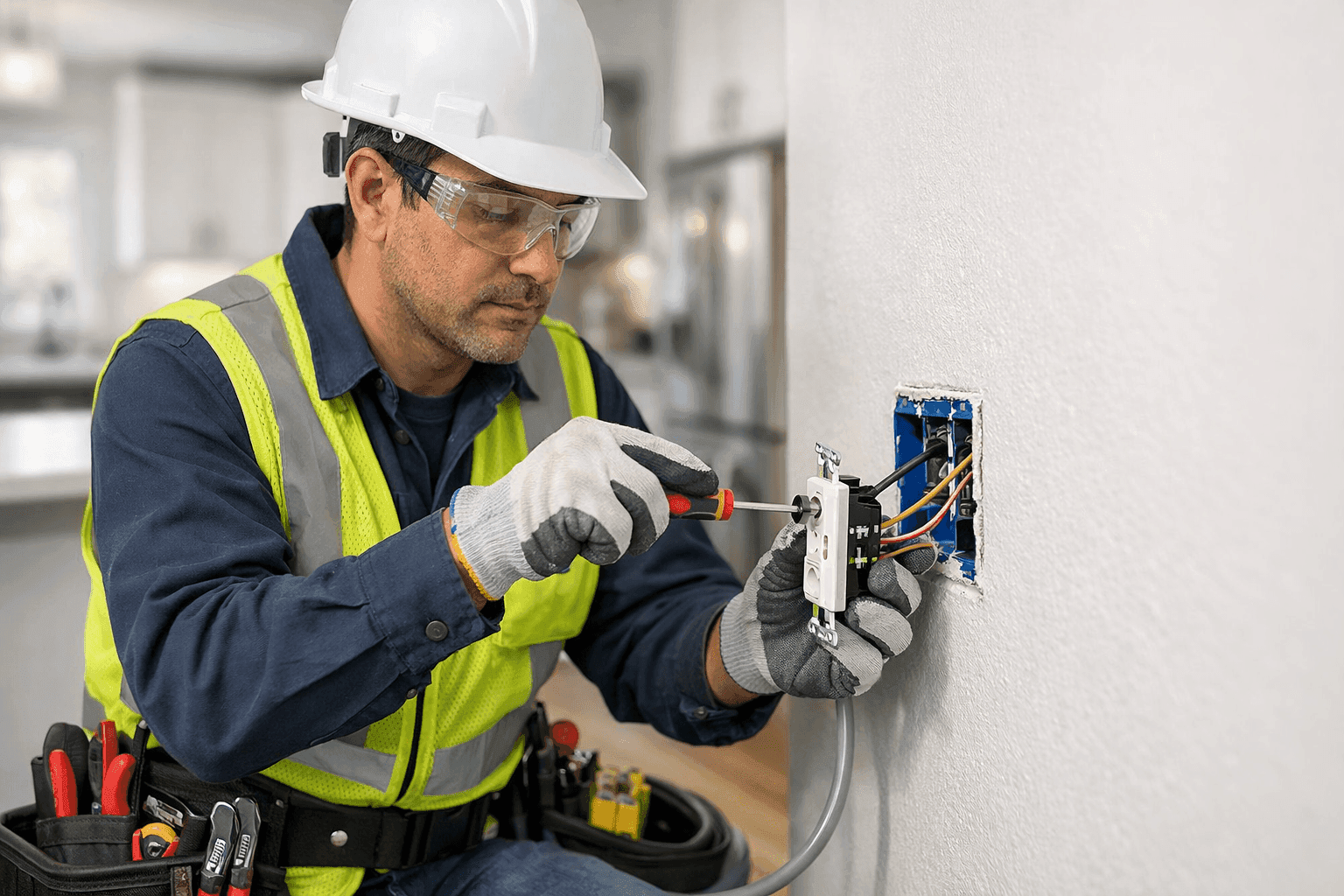
Have you ever wondered if your appliances are wired safely? You’re not alone. In homes and businesses, a single missed detail in appliance wiring can mean the difference between safe operation and a risky situation. At LintPro Electric, we see what happens when shortcuts are taken. We help fix them every week.
Wiring an appliance isn’t just about connecting a few wires. It’s about protecting your property, your investment, and your peace of mind. Here’s how you can make sure your appliances are powered safely—without playing with fire.
Why Appliances Need Dedicated Circuits
Picture each major appliance as a marathon runner. If too many runners share the same narrow lane, chaos follows. The same goes for electricity. Appliances like ovens, dryers, fridges, and even some microwaves draw heavy loads all at once. If they share a circuit, you risk overheating, tripped breakers, or worse—fire.
Dedicated circuits:
- Prevent overloads that trip breakers or melt wiring.
- Are required by the National Electrical Code (NEC) for many kitchen and laundry appliances.
- Help appliances run at full performance, without flickering lights or mysterious outages.
- Allow for easier maintenance and troubleshooting.
Common Wiring Types for Appliances 🔌
Not all wires are created equal. Using the right type makes all the difference.
- Romex (NM-B): Used for most residential appliances. Check the gauge—usually 10 or 12 AWG for kitchens and laundry.
- Armored Cable (BX/MC): Common in commercial settings and required by some local codes for extra protection.
- THHN/THWN: Pulled through conduit for outdoor or high-moisture areas. Used in garages, basements, or pools.
Always match the wire size and type to the appliance’s load. If you’re unsure, consult the manufacturer’s manual or ask a licensed electrician.
Understanding Electrical Codes and Permits
Electrical codes aren’t just red tape. They’re safety rules written in blood and hard lessons. The NEC sets the bar nationwide, with local amendments. For example:
- Dedicated circuits are required for ovens, dishwashers, laundry equipment, and some HVAC units.
- GFCI protection is mandatory for appliances near water (kitchens, bathrooms, outdoors).
- AFCI protection is required in many living spaces to prevent fire from arc faults.
Permits may seem like a hassle, but they ensure your wiring is inspected and meets all safety standards. Cutting corners here puts insurance, resale, and—most importantly—lives at risk. The Electrical Safety Authority and NFPA are excellent sources for code guidelines.
Quick Safety Checklist for Appliance Wiring
Before plugging in that new appliance, run through this quick list:
- Is the circuit rated for the appliance’s amperage?
- Is the outlet grounded and undamaged?
- Are wires properly secured and free of nicks?
- Is GFCI or AFCI protection present where required?
- Do you see any scorch marks, buzzing, or flickering?
If you answer “no” or “I’m not sure” to any of these, pause. It might be time to get help.
DIY vs. Professional Installation
Swapping out a toaster? That’s safe. Installing a double oven or hot tub? That’s a job for a pro. Modern appliances often need specialized wiring, tricky breaker panels, or even new circuits—mistakes can be costly and dangerous.
A professional electrician will:
- Calculate loads and select the right wire size.
- Pull permits and schedule inspections.
- Test everything for safety and code compliance.
Trying to DIY high-voltage wiring is like playing chess on a tightrope. One wrong move, and you’re in trouble.
What Happens When an Electrician Arrives
Expect a thorough process. First, we’ll inspect your panel and circuits. We’ll trace wiring, check breaker sizes, and look for signs of past overheating. Next, we’ll review your appliance’s power needs and double-check the manufacturer’s specs.
If new wiring is needed, we’ll plan the route, minimize wall cuts, and install proper outlets and protection. After installation, we test everything—sometimes twice. Safety isn’t just a box to check; it’s our daily habit.
Upgrading for Smart and High-Tech Appliances
Today’s “smart” fridges, ranges, and washers aren’t just heavy power users—they’re sensitive to voltage swings. Many require clean, stable current, surge protection, and even dedicated data lines.
Upgrades may include:
- New grounded circuits
- Surge protection devices
- Ethernet or Wi-Fi cabling alongside power
- Advanced breaker panels to handle remote monitoring
Thinking about upgrades or home automation? It’s smart to consider both appliances and wiring-and-circuits together for seamless performance.
Signs Your Appliance Wiring Needs Attention ⚠️
Don’t ignore these red flags:
- Breakers trip when you use certain appliances
- Outlets are warm to the touch
- You smell burning plastic or see discoloration
- Lights flicker or dim when appliances start
- You hear buzzing or crackling from outlets
These are warning signs. Address them quickly to avoid larger problems.
Appliance Wiring Mistakes We See Often
Even well-meaning DIYers make these errors:
- Using undersized wire (causes overheating)
- Skipping grounding (increases shock risk)
- Overloading circuits (trip risk, fire hazard)
- Ignoring code-required GFCI/AFCI protection
- Failing to secure permits or inspections
If you’re unsure, call for help before you regret it.
How Much Does Safe Appliance Wiring Cost?
Costs vary. Swapping an outlet may be simple. Running a new circuit for a double oven or EV charger? More complex. Factor in wire type, distance, permit fees, and the need to cut and patch drywall.
Time-wise, most jobs finish in a few hours, but panel upgrades or renovations may take longer. LintPro Electric always explains costs and timelines up front.
When Is Appliance Wiring an Emergency?
If you smell burning, see smoke, or experience repeated breaker trips, shut off the power at the panel and call for emergency service. These are not “wait and see” problems—they can escalate fast. LintPro Electric offers 24-hour response for urgent issues.
Prevention and Long-Term Maintenance
Wiring isn’t “set and forget.” Over time, connections can loosen, insulation can wear, and circuits may get overloaded as you add more gadgets. Schedule regular electrical safety inspections—especially if your building is over 30 years old or you’re planning renovations.
A periodic Installations review keeps your system safe as your needs change.
Seasonal and Environmental Factors
Extreme heat, cold, and humidity all affect wiring. Appliances in garages, basements, or outdoors need special protection. Make sure your wiring is rated for the environment—otherwise, insulation can crack, and moisture can cause shorts.
Frequently Asked Questions
Q: Do all appliances need dedicated circuits?
A: Not all, but many large ones do—ovens, dryers, dishwashers, and some HVAC units. Always check the manufacturer’s requirements.
Q: Can I use extension cords for appliances?
A: Never for permanent appliances. Extension cords are a temporary fix and can overheat, leading to fires.
Q: How do I know if my wiring is up to code?
A: The safest bet is a professional inspection. Codes are updated regularly, and what was safe twenty years ago may not be today.
Q: What’s the risk of ignoring electrical codes?
A: Shock, fire, and loss of insurance coverage. Codes exist to protect people and property.
The LintPro Electric Difference: Certified Appliance Wiring Specialists
At LintPro Electric, we stay current with all codes, technologies, and safety practices. Our technicians are certified in low voltage systems, high-voltage wiring, and the full range of residential and commercial services. From kitchens to machine shops, we wire appliances with care—so you can use them with confidence.
If you’re searching for an electrician company in Waukegan with the skill and training to handle any appliance, you’re in good hands with LintPro Electric.
Call LintPro Electric now — or reach us anytime at 844-484-8656 .