The Homeowner’s Guide to Electrical Circuit Breakers
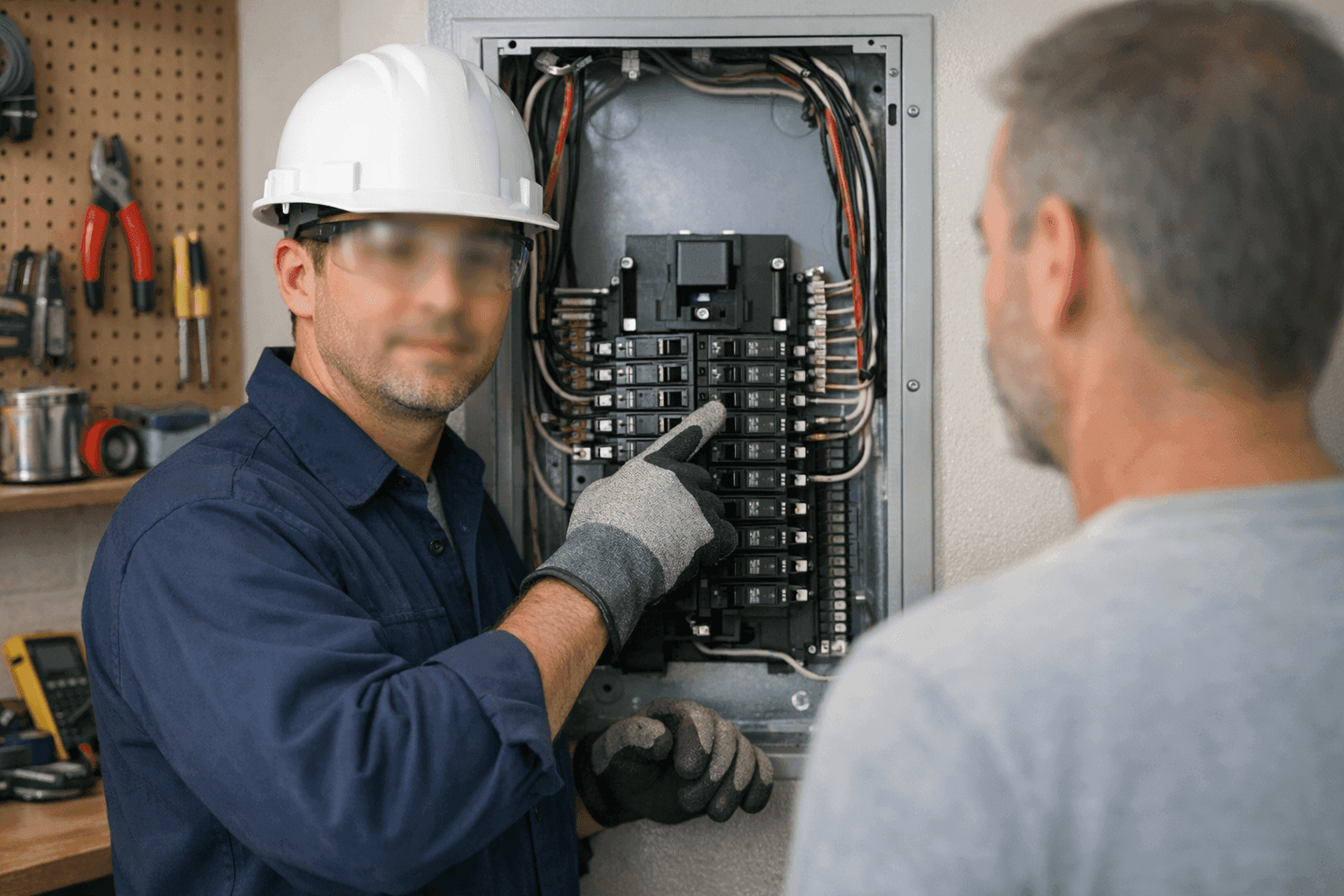
Accidentally lost power to half your home? Or maybe you’ve found yourself staring at a jumble of switches and wondering, “Which one is the culprit?” You’re not alone. Circuit breakers are like the silent guardians of modern homes—always there, always working, but easy to take for granted until something goes wrong.
At LintPro Electric, we know that understanding your breaker panel isn’t just for electricians. It’s for homeowners and business owners who want to keep their families and investments safe—without the headaches or danger.
The Basics: What Are Circuit Breakers, Really?
Think of a circuit breaker as a safety valve for electricity. When too much current tries to flow through your wires—sort of like a river overflowing its banks—your breaker shuts things down before damage or fire can happen. It’s not just a switch. It’s a safeguard.
Every building with electricity has a breaker panel (sometimes called a fuse box or load center). Inside are rows of switches, each guarding a piece of your electrical puzzle.
Types of Circuit Breakers: Standard, AFCI, and GFCI
Not all breakers are created equal. Here’s what you’ll most likely see:
- Standard Breakers: Handle everyday overloads and short circuits. The old workhorses.
- GFCI (Ground Fault Circuit Interrupter): Required by code for kitchens, bathrooms, and outdoors. They trip if even a trickle of current escapes—a lifesaver near water.
- AFCI (Arc Fault Circuit Interrupter): Sniff out dangerous electrical arcs, which can start fires. Required in bedrooms and many living areas.
For more details, the National Electrical Code (NEC) sets the rules for where each belongs.
Why Do Breakers Trip? Common Causes
- Overloaded Circuits: Too many devices plugged in at once—it’s like overloading a backpack until the straps snap.
- Short Circuits: Hot wire touches neutral or ground, causing a sudden surge.
- Ground Faults: Electricity escapes the intended path, usually into the ground.
- Faulty Appliances: Old or damaged gear can pull more current than your wiring can handle.
Sometimes a breaker trips for a good reason—sometimes, it’s a warning sign of bigger trouble.
How to Reset a Tripped Circuit Breaker
- Find the Panel: Usually in basements, garages, or utility closets.
- Locate the Tripped Breaker: It’ll be in the middle, not fully “on” or “off.”
- Switch Off, Then On: Flip all the way off, then firmly back on.
- Check Your Devices: If it trips again right away, stop and call an electrician.
Never force a breaker or hold it in place—this is like taping down your car’s brake pedal. It’s not a fix.
Quick Safety Checklist Before Touching the Panel ⚡
- Dry hands—always.
- Stand on a dry surface.
- Use a flashlight if needed (never a candle).
- Keep kids and pets away.
- If you see sparks, smoke, or smell burning, leave the area and call for help.
When Should You Replace or Upgrade Breakers?
If your breakers are older than your favorite band’s first album, it might be time for a refresh. Consider replacement if:
- Breakers trip repeatedly for no clear reason.
- They’re hot to the touch.
- Panel shows rust, scorch marks, or buzzing sounds.
- You’re adding high-demand appliances (like EV chargers or a hot tub).
Upgrading gives peace of mind—and often brings your home up to code.
For professional help with panels and breakers, our team is ready.
Electrical Safety Checks: What Pros Look For
Certified electricians don’t just flip switches. We:
- Inspect for signs of overheating or corrosion.
- Test AFCIs and GFCIs with specialized tools.
- Check for loose wires or outdated components.
- Confirm panel labeling is accurate (so you know what’s what).
Regular safety inspections catch small issues before they become big ones. The Electrical Safety Foundation International (ESFI) recommends annual checks for peace of mind.
Common Breaker Problems and What to Do
- Breaker Won’t Reset: Could be a persistent short, or the breaker itself is worn out.
- Frequent Tripping: Too many devices, or an appliance is on its last legs.
- Burning Smell or Buzzing: Stop! Power down and call an electrician immediately.
- Corrosion or Rust: Moisture is a menace for panels. Needs professional attention.
Trying to fix these yourself can be dangerous. Fault finding and repairs are jobs for the pros.
Costs & Timeline: What to Expect
- Simple Reset: Free and quick.
- Breaker Replacement: Often finished in under an hour.
- Panel Upgrades: May take a day or more, depending on your system.
Costs vary based on size, age, and whether you need new wiring or circuits. Always get a written estimate before work begins.
DIY or Call an Electrician? Knowing Your Limits
You can safely reset a tripped breaker or unplug a few devices. But:
- If you ever see sparks, smoke, or melted insulation, get out and call for help.
- Never open the panel cover beyond the breaker switches.
- Never try to replace a breaker or panel yourself.
LintPro Electric’s licensed team is available for fault finding and all your wiring needs.
When It’s an Emergency
Some situations call for immediate attention:
- Power loss to critical appliances (medical devices, fridges).
- Water in or near your panel.
- Signs of fire, smoke, or burning smells.
In these cases, don’t wait. Call for 24-hour emergency service.
Seasonal Considerations for Breakers
- Summer: Air conditioners and pool equipment can strain older panels.
- Winter: Space heaters and holiday lighting are common culprits for overloads.
- Storm Season: Lightning can cause power surges—consider whole-house surge protection.
Routine maintenance before high-demand seasons can prevent surprise outages.
Common Mistakes Homeowners Make
- Ignoring repeated tripping—this isn’t something to “just live with.”
- Labeling breakers incorrectly (or not at all).
- Using extension cords as a permanent solution.
- Skipping annual electrical safety inspections.
Stay proactive. Little things can make a big difference.
Signs You Need an Upgrade
- Flickering lights, especially when large appliances start up.
- Breakers that feel warm or buzz.
- Outdated panels (Federal Pacific, Zinsco, or fuse boxes).
If this sounds familiar, your system may be overloaded or unsafe. A panel upgrade can protect your home and investment.
Timeline & Disruption: What to Expect
- Minor Repairs: 30 minutes to an hour, little disruption.
- Panel Replacement: May involve a brief power outage and a half-day of work.
- Major Upgrades: Could require coordination with your power company.
We always explain the process before starting, so you’re never in the dark.
Materials & Equipment Used
- Circuit breakers (UL-listed, always).
- Insulated tools and safety gear.
- AFCI and GFCI testers.
- Proper labeling materials.
Only certified parts—no shortcuts, ever.
FAQ: Your Circuit Breaker Questions Answered
Q: How long do breakers last?
A: Many last 30–40 years, but environmental factors and heavy use can shorten that.
Q: Can I add breakers for new appliances myself?
A: No. This work should always be handled by a licensed electrician.
Q: Is it worth upgrading to AFCIs or GFCIs?
A: Yes—especially in older homes. They offer extra protection and may be required by code.
Prevention & Maintenance Tips
- Unplug unused appliances to reduce load.
- Test GFCIs monthly (press the test button, then reset).
- Schedule annual inspections with a trusted electrician.
- Add surge protection for sensitive electronics.
For ongoing support, LintPro Electric provides wiring and circuits solutions for homes and businesses.
Local Help Is Close By
Whether you’re searching for “Low Voltage Systems near you” or need a seasoned electrician company, LintPro Electric is your go-to for reliable service and straight answers. Our licensed specialists have years of experience troubleshooting, upgrading, and maintaining breaker panels in homes and businesses across the community. For more on our services in your area, see our Wiring & Circuits page.
Ready for safer, smarter power at home or work?
Call LintPro Electric now — or reach us anytime at 844-484-8656 .