The Importance of Regular Electrical Safety Checks
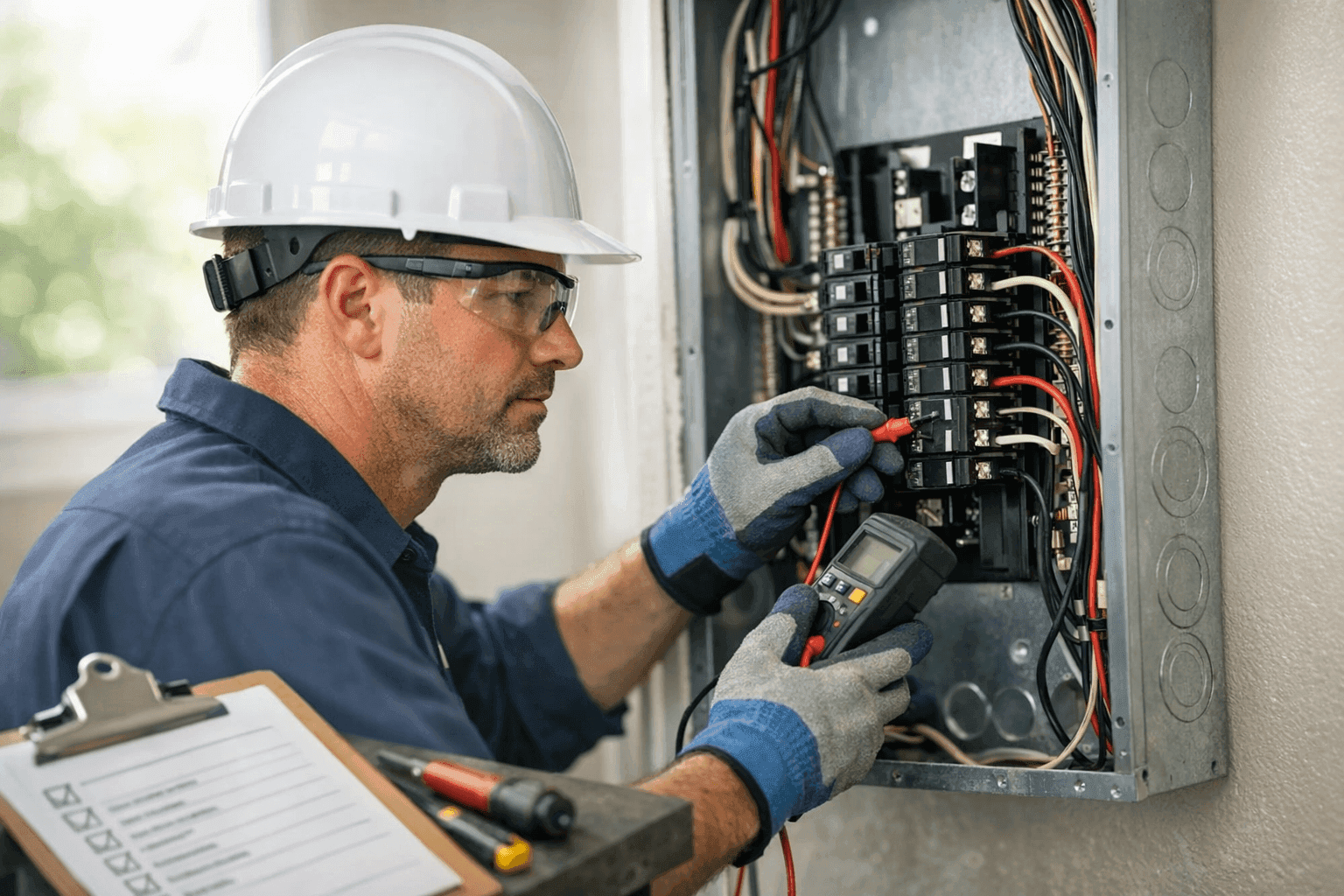
Electricity hums quietly in the background of daily life, powering our mornings, our work, and our evenings. Most days, it’s easy to forget it’s even there—until something goes wrong.
A flickering light, a tripped breaker, or a strange buzzing from the wall. These small signs can be the tip of the iceberg. At LintPro Electric, we know that regular electrical safety checks aren’t just smart—they’re essential for peace of mind and protection.
Why Electrical Safety Checks Matter
Think of your home or business like a car. You wouldn’t skip oil changes and hope for the best. Electrical systems need the same care to keep running safely. Worn wires, overheating panels, or outdated outlets can lead to fires, costly repairs, or even injury.
Electrical incidents aren’t just statistics—they’re real risks. According to the National Fire Protection Association, electrical issues remain a leading cause of home and commercial fires. That’s why routine Safety Checks make such a difference.
What Gets Inspected: The Core Checklist 🔍
A professional safety check isn’t just a quick glance behind the panel. Licensed electricians look for hidden hazards and subtle warning signs. Here’s what we check:
- Wiring: Frayed, exposed, or outdated wires can spark fires. We look for wear, rodent damage, and code compliance.
- Electrical panels & breakers: Overheating, corrosion, or loose connections can cause dangerous arcs or failures.
- GFCI outlets: These help prevent shocks, especially in kitchens, bathrooms, and outdoors. We test and inspect all GFCI circuits.
- Smoke & carbon monoxide detectors: Proper placement and working batteries are critical. We check function and expiration dates.
- Outlets & switches: Overheating, discoloration, or loose fittings get special attention.
- Surge protection: We evaluate if your setup can handle power surges—vital for sensitive electronics.
- Low Voltage Systems: Security, data, and communication wiring gets a once-over for safe routing and reliability.
The Real-World Scenario: Early Warning Signs
It often starts small. Maybe a breaker trips more often. Or you feel a warm spot on the wall. These are warning bells—never ignore them.
- Flickering or dimming lights
- Buzzing or crackling sounds from outlets
- Tripped breakers or blown fuses
- Outlets that feel warm or look discolored
- Burning smells, especially near panels
A safety check can spot these issues before they turn into emergencies.
How Often Should You Schedule a Safety Check?
It’s tempting to wait until there’s a problem. But regular checks are like health checkups—they keep things running smoothly. Here’s what we recommend:
- Homes: Every 3-5 years for most properties, or immediately after renovations, storm damage, or when buying a new home.
- Businesses: Annually, or more often if you have high-powered equipment or older wiring.
- Special cases: Schedule checks after installing major appliances, backup generators, or EV chargers.
Building codes and safety standards, like the National Electrical Code (NEC), often set minimum inspection intervals. When in doubt, ask a licensed electrician.
Don’t DIY—Call the Pros
You might be tempted to peek behind the panel yourself. But electricity isn’t forgiving. Even simple mistakes can lead to injury or costly damage. Professional electricians have specialized training, tools, and up-to-date code knowledge to spot hazards you might miss.
Our team at LintPro Electric is fully licensed, insured, and experienced with both residential and commercial systems. We tackle everything from Electrical Safety Inspections to complex high-voltage installations.
What Happens During a Professional Safety Check? 🛠️
Here’s what you can expect when our electricians arrive:
- Visual inspection: We look for signs of wear, overheating, or tampering in panels, outlets, and wiring.
- Testing: Using certified instruments, we check voltage, current, grounding, and GFCI function.
- Panel review: We examine breaker panels for loose connections, rust, or improper labeling.
- Detector testing: We test smoke and carbon monoxide alarms for response time and battery health.
- Documentation: You’ll receive an honest report with any recommended repairs or upgrades—no pressure, just clear facts.
Prevention Beats Repair: The Value of Maintenance
Think of safety checks like brushing your teeth. Regular upkeep prevents bigger, costlier problems later. Routine Maintenance can:
- Extend the life of your wiring, panels, and equipment
- Reduce energy bills by catching inefficiencies
- Lower insurance premiums (many insurers recognize documented inspections)
- Protect loved ones, staff, and valuable property
When Is It an Emergency? 🚨
Some warning signs mean you should call an electrician immediately:
- Burning smells or smoke from outlets or panels
- Sparking or arcing from switches or appliances
- Loss of power to critical areas (fridges, medical equipment, etc.)
- Visible damage after storms, flooding, or rodent infestation
Don’t wait. These situations can escalate quickly.
Common Mistakes Property Owners Make
- Ignoring small but persistent issues (“It only trips sometimes…”)
- Overloading outlets with extension cords or power strips
- Skipping scheduled safety checks after renovations
- Attempting DIY repairs without proper tools or training
- Assuming new homes or offices don’t need inspections
Remember: even new wiring can develop faults over time.
Timeline and Disruption: What to Expect
Worried about downtime? Most residential safety checks take less than two hours. For businesses, we schedule around your hours to minimize impact. Our electricians work efficiently and leave your space tidy.
The Right Electrician Makes All the Difference
Choosing who inspects your electrical system is a big decision. Look for:
- Licensing and insurance: Don’t settle for less.
- Experience: Residential and commercial systems have different needs.
- Transparent communication: No jargon, no mystery charges.
- Up-to-date code knowledge: Electrical codes change. Your electrician should know the latest standards.
LintPro Electric’s team lives and breathes safety. We’re always here to answer questions and provide honest recommendations.
Seasonal Considerations for Electrical Safety
Each season brings new challenges:
- Winter: Heating loads can strain panels; check for overloaded circuits.
- Spring: Moisture from rain or thaw can expose wiring faults.
- Summer: Outdoor lighting, pools, and AC units increase demand.
- Fall: Prepare for storms and backup generator needs.
A routine safety check each season keeps your system ready for anything.
FAQ: Your Top Electrical Safety Questions
How do I know if my wiring is outdated?
If your property is over 30 years old and hasn’t been rewired, schedule a check. Old wiring (like aluminum or knob-and-tube) often needs replacement.
Can I test my own GFCI outlets?
You can press the “test” button, but a pro can check wiring integrity and proper grounding.
Are safety checks required by law?
Some jurisdictions require regular inspections, especially for rentals or businesses. Check with your local authority or a licensed electrician.
What if I rent my home or office?
Landlords are usually responsible, but tenants should report any concerns immediately.
Stay Safe and Power On
Electrical safety checks aren’t just another item on your to-do list. They’re the shield that protects your home or business from unseen threats. Timely inspections keep the lights on, the air cool, and your loved ones safe.
If you’re seeking a reliable electrician company, or want to schedule a routine inspection in Kennewick, LintPro Electric is ready to help.
Call LintPro Electric now — or reach us anytime at 844-484-8656 .