The Role of Electrical Inspections When Buying or Selling Property
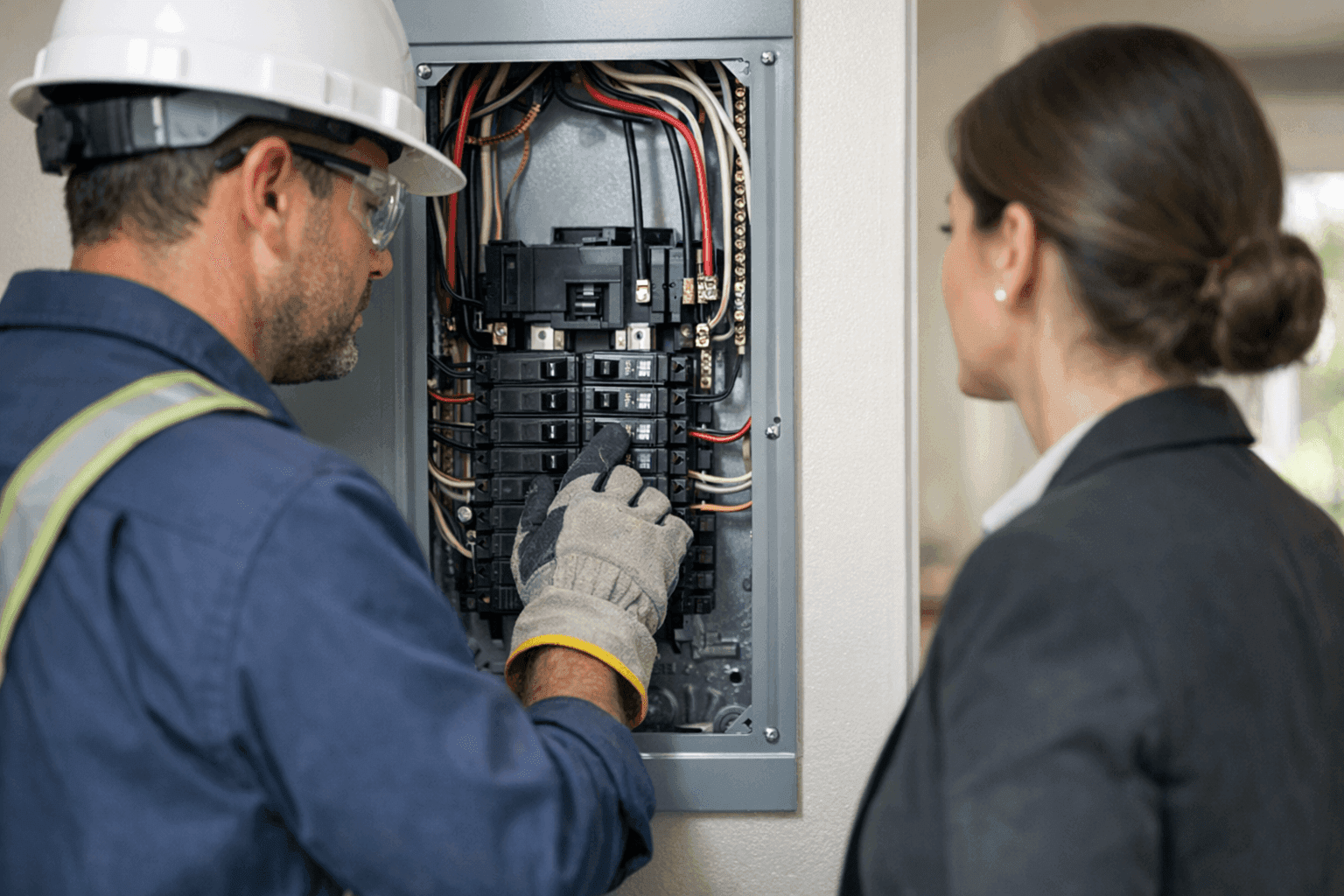
When a “For Sale” sign pops up, excitement follows—so do questions. What’s hiding behind those walls? Will the lights flicker on moving day? Will your insurance company approve the electrical setup, or will the deal fizzle? At LintPro Electric, we know these worries are real. That’s why electrical inspections are a must when buying or selling any property.
Ignoring inspection is like skipping a final lap before a big race. Risks lurk unseen, and the finish line can slip away. Our licensed electricians help buyers and sellers avoid headaches, last-minute haggles, and costly surprises.
Why Electrical Inspections Matter in Real Estate 🏠
Buying or selling property is more than a handshake and a signature. It’s a leap—sometimes blind—into someone else’s electrical handiwork. Inspections are your safety net.
- Buyers: Protect yourself from expensive repairs, hidden dangers, and code violations.
- Sellers: Prove your property’s worth, avoid delays, and keep negotiations on track.
The National Fire Protection Association (NFPA) and local building codes both recommend a thorough inspection before finalizing any deal. It’s about more than passing a test; it’s about protecting lives, investments, and reputations.
When Should You Schedule an Electrical Inspection?
Timing is everything. The best moment? Before signing on the dotted line. For buyers, inspections happen after the offer is accepted but before closing. Sellers, consider an inspection before listing—fixing issues in advance means smoother, faster sales.
- Pre-listing: Sellers get ahead of repairs and surprises.
- Pre-purchase: Buyers avoid costly setbacks.
- After major renovations: Ensure new work meets code.
What Does an Electrical Inspection Cover?
Think of an inspection as a roadmap of your property’s wiring and systems. Licensed electricians check:
- Electrical panels & breakers
- Outlets & switches
- Lighting fixtures
- Smoke & carbon monoxide detectors
- Wiring (including Low Voltage Systems near you)
- Grounding & bonding
- GFCI and AFCI protection
- Service capacity
- Pool, spa, and outdoor circuits
- Emergency and backup generators
They look for common hazards: frayed wires, outdated panels, overloaded circuits, and anything that doesn’t meet today’s standards.
Quick Safety Checklist for Homeowners
Before the inspection, you can spot some issues yourself:
- Test all outlets with a plug-in device.
- Check for warm or discolored outlets/switches.
- Look for flickering lights.
- Test smoke and CO detectors.
- Inspect cords for damage.
But remember: some problems hide out of sight. That’s where a trained electrician steps in.
DIY vs. Hiring a Professional Electrician
You might be handy with a screwdriver. But when it comes to wiring, even a small slip can lead to big trouble. Professional electricians have the training (and the right tools) to spot risks you’ll miss.
- Licensed electricians know code changes.
- We use advanced testers for hidden faults.
- Inspections include hard-to-reach circuits and panels.
For something as critical as your safety and investment, always call in the pros.
What Happens When the Electrician Arrives?
Expect a thorough walk-through. At LintPro Electric, our inspectors:
- Review your main panel and subpanels
- Test outlets, switches, and GFCI/AFCI devices
- Inspect visible wiring and conduit
- Check for proper labeling and grounding
- Review the home automation, intercom, and data cabling (if present)
- Assess the condition of surge protection and major appliances
We’ll explain each step, answer questions, and flag concerns as we go.
Handling Inspection Findings: No Panic Needed
No property is perfect. If issues pop up:
- The electrician will list all code violations and hazards.
- Sellers can fix problems before the sale, or negotiate repairs with buyers.
- Buyers can use findings to renegotiate or request repairs.
Don’t ignore the report—addressing problems now saves money and stress down the road.
Dealing With Major Repairs or Upgrades
Sometimes, inspectors uncover issues that need more than a quick fix. Outdated aluminum wiring, undersized service panels, or missing GFCI protection can mean bigger projects.
- Get multiple quotes for repairs.
- Prioritize urgent safety hazards.
- Schedule work before closing if possible.
Investing in repairs can boost your property value and keep deals from stalling.
Certificates and Documentation: Sealing the Deal
A professional inspection means more than a checklist. You get documentation:
- Certificates of inspection: Proof for insurers, lenders, and buyers
- Safety reports: Details on what’s safe, what needs fixing
- Code compliance notes: Evidence your property meets local and national standards
These documents build trust and help transactions close faster. They’re especially important for insurance coverage and peace of mind.
If you need more details about certificates, see our Certificates service page.
Electrical Safety Checks: Ongoing Protection
An inspection isn’t a one-time event. Regular Safety Checks keep your property safe year after year. Annual or seasonal checkups catch wear-and-tear before it becomes dangerous.
- Schedule a check after storms or renovations.
- Plan for annual reviews in older homes or buildings.
Prevention is always cheaper than emergency repairs.
What’s the Cost—and What’s It Worth?
Inspections may seem like an extra expense, but compared to what you could face (fire, shock, failed sale), it’s a bargain. Costs vary by property size, age, and complexity. Ask your electrician for a detailed quote.
A few hundred dollars today can save thousands tomorrow.
How to Prepare for Your Electrical Inspection
- Clear access to panels and outlets.
- Unlock electrical rooms and storage areas.
- List any recent electrical work or upgrades.
- Gather permits and past inspection reports if available.
Preparation helps your electrician work quickly and efficiently—and keeps your inspection on schedule.
Common Mistakes Buyers and Sellers Make
- Ignoring old or ungrounded wiring
- Overlooking pool and spa circuits
- Skipping the inspection to “save money”
- Failing to address flagged repairs
Don’t cut corners. A missed hazard today is tomorrow’s headache—or lawsuit.
Signs You Shouldn’t Skip an Inspection
- Flickering or dimming lights
- Tripped breakers or blown fuses
- Outlets that don’t work or feel warm
- No GFCI/AFCI protection near water
Even if everything “seems fine,” silent problems can lurk behind the walls.
When Electrical Problems Are an Emergency 🚨
Some issues can’t wait:
- Burning smells or smoke near outlets or panels
- Sparking or arcing sounds
- Repeated breaker trips
Call for emergency service right away if you spot these. Don’t wait for your scheduled inspection.
The LintPro Electric Difference: Licensed, Experienced, Ready to Help
Our team of licensed electricians brings years of experience with real estate transactions. We know what lenders, insurers, and buyers expect. Our inspections are thorough, clear, and tailored to your needs.
If you’re looking for an electrician company that delivers reliable, code-compliant inspections, you’re in the right place.
Ready for a Safe, Smooth Transaction?
Peace of mind is just a call away. Don’t let hidden wiring woes put your property deal at risk.
Call LintPro Electric now — or reach us anytime at 844-484-8656 .