Top 10 Signs You Need an Electrical Repair ASAP
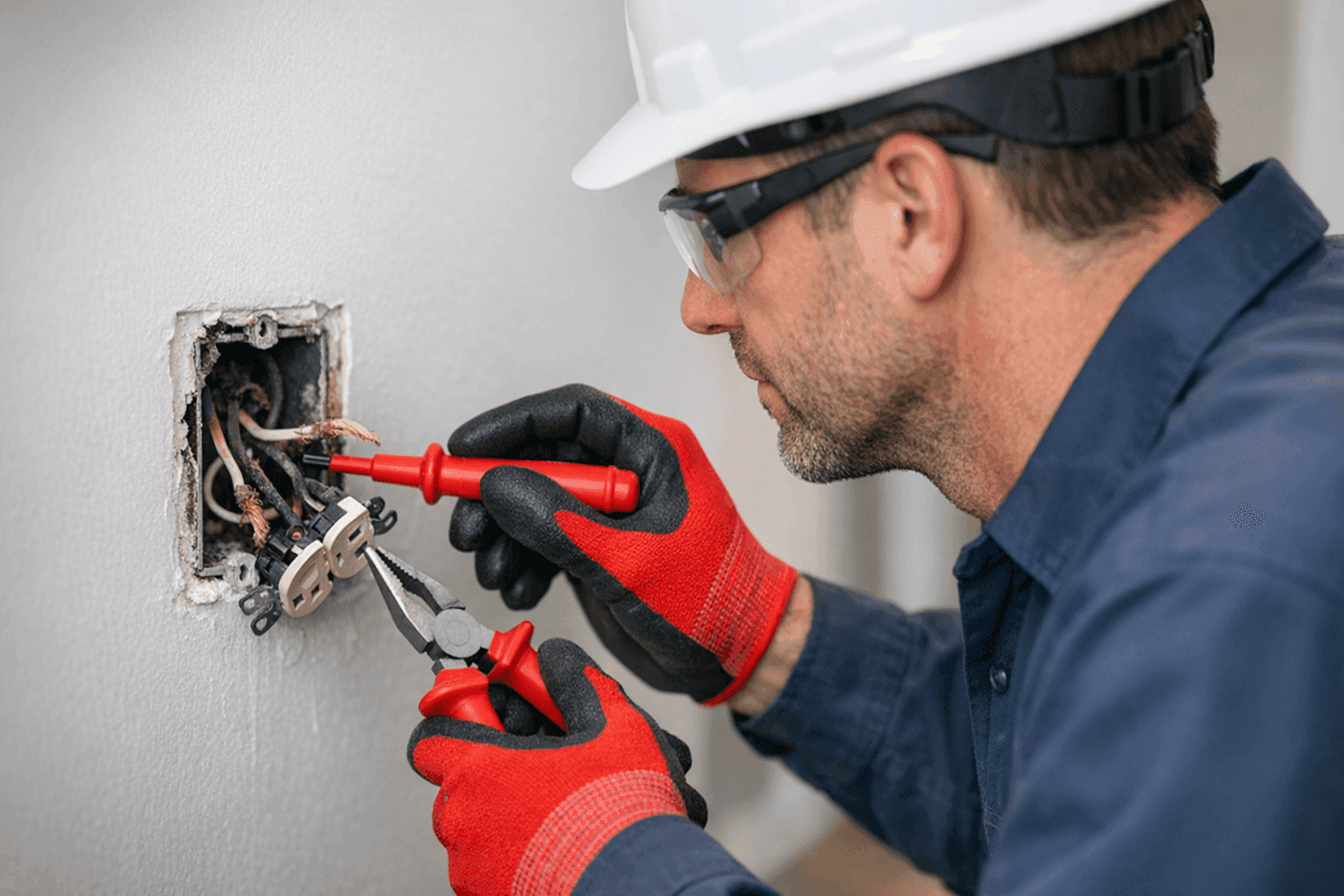
Is your home or business sending silent warnings about electrical trouble? 🚨 Most people don’t think about wiring until something goes wrong, but small issues can turn dangerous fast. At LintPro Electric, we’ve seen it all—from blinking lights to electrical fires that started with a tiny spark.
Knowing the top warning signs can save you money, hassle, and even lives. Below, we break down ten red flags you can’t ignore, why they matter, and what you should do next.
Flickering Lights and Power Outages
One minute your room is bright; the next it’s a disco of flickers. Maybe your lights dim when you turn on the microwave or the TV. It’s tempting to shrug it off—maybe it’s just the bulb, right? But frequent flickering or dimming can mean loose wiring, overloaded circuits, or outdated connections.
Possible causes:
- Faulty light switches or fixtures
- Loose wiring (a common cause of house fires per the National Fire Protection Association)
- Overloaded circuits, especially in older homes or businesses
- Failing circuit breakers
Severity:
A flicker here or there isn’t urgent. But if it’s happening often, or combined with buzzing or heat, it’s time to call an electrician. Sudden power outages or lights dimming when appliances run? That’s a signal your electrical panel or wiring might need immediate attention.
Burning Smells or Sparks
That sharp, acrid smell—like burning plastic or rubber—never means good news. If you ever spot sparks when plugging in a device, or smell burning near an outlet or switch, take it seriously. ⚡
Possible causes:
- Overheated wires or outlets
- Short circuits
- Poorly installed or aging electrical components
Severity:
This is one of the most urgent issues. Unplug any affected devices, turn off the breaker if possible, and call for emergency electrical service. According to the Electrical Safety Foundation International (ESFI), burning smells can be a sign of electrical fires behind the wall.
Frequent Breaker Trips
Breakers are designed to protect your home. If they trip once during a storm, that’s normal. But if you’re flipping breakers back on every week—or even every day—it’s a sign your system is overloaded or there’s a fault somewhere.
Possible causes:
- Too many high-powered devices on one circuit
- Faulty appliances
- Damaged wiring
- Worn-out circuit breakers
Severity:
Breaker trips are like the safety net for your home’s wiring. Ignoring them is like ignoring a smoke alarm—eventually, the system might fail. Consistent tripping needs fast troubleshooting by a licensed electrician. Learn more about our repairs and emergency-service if you’re dealing with this problem.
Hot Outlets or Switches
Touch a light switch or outlet. If it feels warm—or worse, hot—there’s a problem brewing behind the scenes. Heat is a warning sign that too much electricity is flowing where it shouldn’t.
Possible causes:
- Overloaded circuits
- Loose connections
- Failing devices (especially dimmer switches or old outlets)
Severity:
Heat means danger. It can melt insulation and start fires. The National Electrical Code (NEC) states that all outlets and switches should remain cool during operation. If you notice this, stop using the outlet and call for repairs.
Unexplained Increases in Electricity Bills
Electric bills climbing for no clear reason? If your usage hasn’t changed, but your costs have, something’s off. Sometimes, faulty wiring or failing appliances draw more power than they should.
Possible causes:
- Hidden wiring faults causing energy loss
- Appliances running inefficiently due to electrical issues
- Outdated electrical panels
Severity:
It’s not just about money. A spike in energy use can signal wiring problems that could become bigger hazards. Schedule a safety inspection or fault-finding service to diagnose the issue.
Outlets That Don’t Work or Are Loose
Dead outlets are more than an inconvenience—they’re a sign of possible wiring failure. If plugs fall out easily, or the outlet wiggles in the wall, you might have loose connections that could arc and spark.
Possible causes:
- Disconnected or broken wires
- Worn-out outlets
- Faulty installation
Severity:
Loose or dead outlets should be inspected and replaced. Don’t try to force plugs into wobbly sockets—it’s not worth the risk.
Shocks When Touching Appliances
Ever get a zap when you touch a toaster, lamp, or washing machine? Even a tiny shock can indicate that an appliance isn’t properly grounded, or wiring is exposed.
Possible causes:
- Faulty appliance or wiring
- Improper grounding
- Damaged cords
Severity:
Electrical shocks are a big red flag. They can mean life-threatening problems, especially in homes with kids or pets. The U.S. Consumer Product Safety Commission recommends immediate action if you feel even a mild shock from any device.
Buzzing or Crackling Sounds
Electricity should be seen, not heard. If you hear buzzing from panels, switches, or outlets, it’s a sign that connections are loose or wires are arcing—basically, electricity is jumping where it shouldn’t.
Possible causes:
- Loose wiring
- Failing circuit breakers
- Faulty switches or outlets
Severity:
Sounds like these mean trouble. Don’t ignore them. Call an electrician and avoid using anything plugged into the affected circuit.
Breakers or Outlets with Visible Damage
Cracked, blackened, or melted panels and outlets are like a flashing neon sign for danger. Physical damage means something’s gone very wrong, and it’s only a matter of time before it gets worse.
Possible causes:
- Overheating due to overloads
- Short circuits
- Old or brittle materials
Severity:
Turn off power to the affected area and contact a professional. The NEC requires all components be kept in safe, working order.
Old or Outdated Wiring
If your home or business hasn’t had a wiring update in 30–40 years, it’s running on borrowed time. Knob-and-tube, aluminum, or cloth-insulated wiring is especially risky.
Possible causes:
- Age-related wear
- Incompatibility with modern appliances
- Increased risk of shorts and fire
Severity:
Old wiring may not show symptoms—until it fails. If your building is older or you see fabric-wrapped wires, schedule a safety inspection and consider rewiring.
What to Do if You Spot These Signs
Safety First
- Unplug devices and avoid using affected outlets or appliances.
- Switch off the breaker if you notice burning, sparking, or heat.
- Evacuate if you smell smoke or see flames—then call 911.
When to Call an Electrician
If you’ve noticed any of these warning signs, don’t wait. Some issues (like a breaker that trips once) can be minor, but most electrical problems get worse with time.
- Don’t attempt DIY fixes unless you’re trained and following code requirements.
- Call a licensed electrician who will diagnose, repair, and inspect according to the latest National Electrical Code.
- Ask about regular maintenance to catch problems early.
For businesses and homeowners alike, scheduling regular Electrical Safety Inspections can catch small issues before they turn into emergencies. Maintenance isn’t just for peace of mind—it’s required by safety standards and insurance policies.
Emergency? Here’s What to Do
- If you see flames or thick smoke, leave immediately and call emergency services.
- For urgent repairs, reach out to an Emergency Service provider with 24-hour response.
Preventing Electrical Hazards: Maintenance & Peace of Mind
The best fix is prevention. Routine inspections, keeping an eye out for the symptoms above, and using only certified electricians for installations can keep your property—and everyone in it—safe. Remember, even a small spark can start a chain reaction you don’t want to experience.
At LintPro Electric, we handle everything from Low Voltage Systems near you to rewiring, panel upgrades, and emergency troubleshooting. We’re here to help you keep your home or business running smoothly, safely, and efficiently.
Call LintPro Electric now — or reach us anytime at 844-484-8656 .