Understanding Electrical Load and How to Prevent Overloads
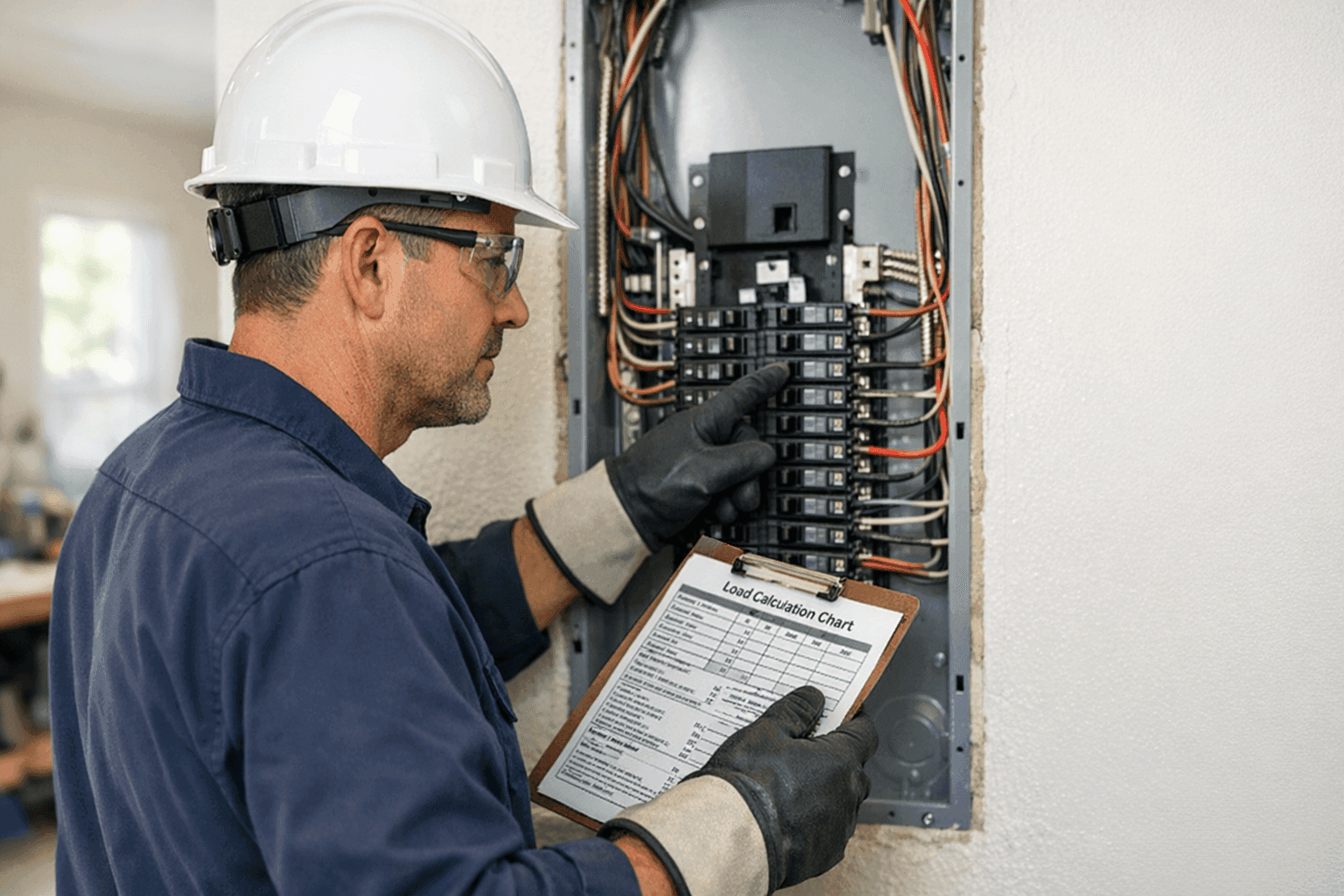
Do your lights flicker when you use the microwave? Ever trip a breaker on laundry day? If you’ve ever wondered why your circuits can’t keep up, you’re not alone. Electrical overloads are a common headache for both home and business owners. The good news: you don’t need a degree to understand the basics and keep your space safe.
At LintPro Electric, we help property owners just like you get to the bottom of these issues. It’s about more than convenience—it’s about safety, code compliance, and peace of mind.
What Is Electrical Load?
Think of your electrical system as a river. The current flows from your panel out to every outlet, light, and appliance. Electrical load is simply the total amount of electricity all those devices need at once. If too much is drawn at the same time, the current surges—like a river overflowing its banks.
Electrical load is measured in watts (W), with circuits rated by amperage (A). Every device adds to the total. The more you run at once, the greater your load.
Why Electrical Load Matters
Ignoring electrical load is like stacking too many books on a single shelf. Sooner or later, it can’t support the weight—and something gives. Overloaded circuits aren’t just inconvenient; they’re a fire risk and can damage your expensive electronics.
According to the National Electrical Code (NEC), circuits should never be loaded above 80% of their maximum capacity. That’s a safety buffer to help prevent overheating and hazards.
How to Estimate Your Electrical Load 🔍
Estimating your load can feel overwhelming, but it’s easier than it sounds. Here’s a basic way to get started:
- List all devices on a circuit. Include lights, appliances, and electronics.
- Check the wattage. Most devices list this on a label.
- Add up the watts.
- Convert to amps. Use the formula: Amps = Watts ÷ Volts (most homes use 120V circuits).
Example: If you have a microwave (1000W) and a toaster (1200W) on the same 15A circuit:
- Total = 2200W
- Amps = 2200 ÷ 120 = 18.3A
That’s more than the circuit can handle. Not sure? An electrician from LintPro Electric can help with professional calculations and code checks.
Common Signs of an Overloaded Circuit
Spotting overloads early is key to staying safe. Watch for these red flags:
- Frequent breaker trips
- Flickering or dimming lights
- Buzzing sounds from outlets or panels
- Warm or discolored wall plates
- Burning smells near outlets
If you notice any of these, it’s time to act—don’t ignore them.
Why Overloads Happen
Modern homes and businesses use more devices than ever—think EV chargers, computers, big-screen TVs, and kitchen gadgets. Older wiring and panels often aren’t built for today’s demands.
Sometimes, the problem isn’t the overall load but how it’s distributed. Plugging too many high-power devices into one outlet or circuit is a recipe for overloads.
Quick Safety Checklist
Make your own safety check part of your regular routine:
- Unplug unused devices
- Avoid daisy-chaining extension cords
- Don’t run major appliances at the same time on the same circuit
- Test outlets and breakers for warmth
- Schedule electrical safety inspections annually
A little prevention goes a long way.
DIY or Call a Pro?
Changing a light bulb is one thing—upgrading circuits is another. If you’re unsure about your load, see exposed wiring, or need new outlets for heavy-duty appliances, it’s best to call a licensed electrician. Mistakes can be costly, and code violations risk insurance headaches.
What Electricians Do on Arrival
When you call LintPro Electric, here’s what to expect:
- Load calculations: We’ll assess your current wiring and usage.
- Panel inspection: We check for proper sizing and safe operation.
- Outlet and circuit testing: Using pro-grade equipment, we spot hot spots and weak links.
- Code compliance: All work follows NEC and local codes—always.
Our team brings both experience and the right tools for the job.
Preventing Overloads: Tips for Home and Business
Here’s how you can keep your system running smoothly:
- Spread out high-draw devices across multiple circuits
- Use heavy-duty, grounded extension cords (sparingly)
- Upgrade old outlets to GFCI/AFCI where needed
- Consider dedicated circuits for high-power appliances (like EV chargers or commercial equipment)
- Schedule regular maintenance
Looking to upgrade? Our Panels & Breakers services boost both safety and capacity.
Upgrading Panels and Circuits for More Power
Sometimes, prevention means more than unplugging devices. If your panel is maxed out—or if you’ve added new equipment like a home office, EV charger, or workshop—upgrading is the smart move.
Newer panels offer:
- Room for extra circuits
- Better surge protection
- Support for modern loads
Don’t let an outdated panel hold you back. Consider upgrading before you run into trouble.
How Long Does an Upgrade Take?
Most panel upgrades take a day or less, but complex jobs may take longer. Power will need to be shut off during the process—plan ahead for minimal disruption. We’ll always explain the timeline up front.
Seasonal Considerations
Cold snaps and heat waves put extra stress on your electrical system. Space heaters, holiday lights, and air conditioners are some of the biggest culprits for overloads. Plan ahead for seasonal spikes by checking your circuits and using power wisely.
Common Mistakes to Avoid
- Overloading power strips and outlet expanders
- Ignoring breaker trips
- Skipping annual electrical inspections
- Using old or damaged extension cords
- DIY wiring without permits or code checks
A little caution today can prevent a big problem tomorrow.
When Is It an Emergency? 🚨
If you notice smoke, burning smells, or see sparking outlets, turn off the main breaker and call for help immediately. Electrical fires move fast—don’t take risks.
Frequently Asked Questions
Q: How often should I check my electrical load?
A: Every time you add new major appliances or electronics, or during annual maintenance.
Q: Is it safe to use multiple power strips?
A: Only if they’re not overloaded and plugged directly into wall outlets. Never daisy-chain strips together.
Q: What’s the difference between a breaker and a fuse?
A: Both protect circuits from overload, but breakers can be reset after tripping; fuses must be replaced.
Stay Safe—And Plan Ahead
Electrical load isn’t just a technical term—it’s the backbone of a safe, efficient home or business. Understanding your system helps you protect your property, prevent surprises, and plan for future needs. For wiring upgrades, Wiring & Circuits can support your goals.
If you’re in the area and searching for a reliable electrician company, take a look at our work in Springfield for more on what we do and how we help.
For questions, inspections, or any electrical concerns, LintPro Electric is here to help.
Call LintPro Electric now — or reach us anytime at 844-484-8656 .