What to Do If Your Home Loses Power: Safe Steps Before Help Arrives
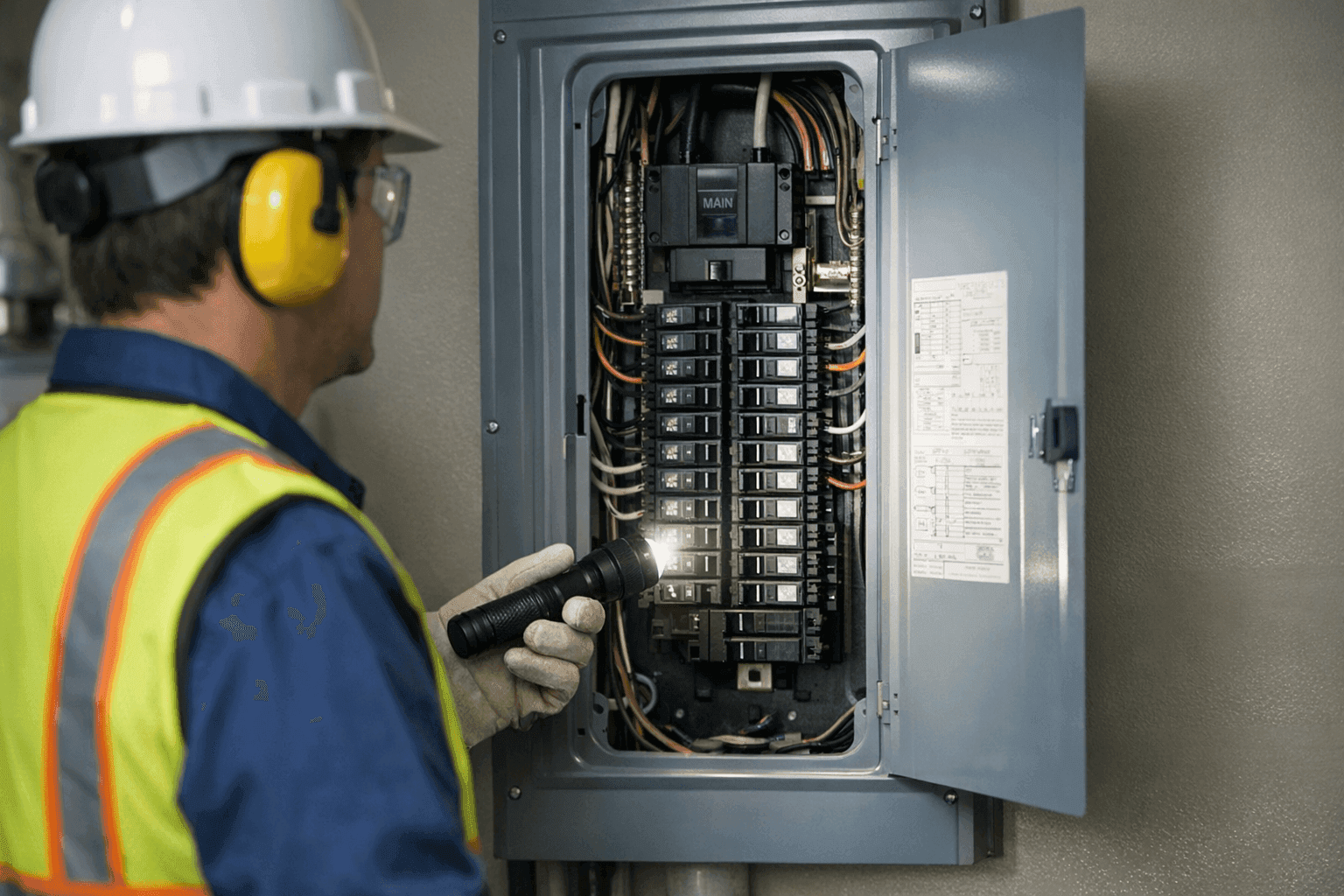
When your home suddenly goes dark, panic can strike as quickly as the lights flicker out. Whether you’re making dinner, helping with homework, or just relaxing, a power outage can turn normal life upside down in an instant.
At LintPro Electric, we know how stressful this can be. Our team has helped countless homeowners and businesses navigate these moments with safety and confidence. Let’s walk through the steps to keep your family, property, and peace of mind protected until power—and help—returns.
Quick Safety Checklist: First Steps During a Power Outage ⚡
Right after the lights go out, think safety first.
- Grab a flashlight—never use candles near flammable items.
- Check for hazards: Smell gas? See sparks or smoke? Leave the house and call emergency services.
- Unplug sensitive electronics: TVs, computers, and appliances can get fried when the power comes back on suddenly.
- Reset your main breaker: Sometimes, an overloaded circuit is the culprit. Flip the main breaker off for 10 seconds, then back on.
If you’re ever in doubt, don’t risk it. When it comes to electricity, caution is your best friend.
Common Causes of Power Outages
Most outages have simple explanations—some more obvious than others.
- Weather: Storms, strong winds, ice, and lightning are frequent offenders.
- Equipment failure: Old wiring, aging panels, or loose connections can cut power and create safety hazards.
- Utility grid issues: Sometimes the problem is out in the street, not in your home.
- Animals: Squirrels, birds, or other critters can cause surprising trouble at substations.
Knowing the likely cause helps you decide what to do next.
When to Check With Neighbors—or the Utility
If your house is the only one on the block in the dark, the issue may be inside. But if the whole street is dark, the utility is likely already working on it.
- Ask a neighbor: Are they out, too?
- Look outside: Is the streetlight on? Does your neighbor’s porch light work?
- Contact your utility: Report the outage. Many have automated phone lines or apps for updates.
When to Call an Electrician
If you’ve checked your breakers, unplugged sensitive devices, and your neighbors have power—or if you see sparks, smoke, or hear buzzing from your panel—it’s time to call in a professional.
LintPro Electric offers emergency service and 24 Hour Service for urgent situations. Don’t wait if you feel unsafe or the outage keeps happening.
Protecting Your Appliances and Food
When the power snaps off, your appliances and pantry can be at risk.
- Keep fridge and freezer doors closed: Cold air stays trapped, keeping food safe longer—often up to 4 hours in the fridge, 48 hours in a full freezer (per USDA guidelines).
- Unplug major appliances: Prevent damage from surges when the power returns.
- Use surge protectors: These are like helmets for your electronics, shielding them from electrical spikes.
If in doubt, throw out perishable food that’s been above 40°F for more than two hours.
Signs of Electrical Trouble You Shouldn’t Ignore
Some outages are warning signs of bigger problems.
Watch for:
- Flickering lights before the outage
- Burning smells or buzzing noises
- Scorched outlets or panels
- Tripped breakers that won’t reset
These are red flags. Call an electrician for Fault Finding if you spot any.
DIY vs. Call a Pro: Knowing the Line
It’s tempting to problem-solve yourself. But electrical work is like walking a tightrope—you need skill and the right tools.
DIY is okay for:
- Checking breakers
- Unplugging devices
- Replacing batteries in flashlights
Call a pro for:
- Repeated outages
- Burning smells or sparks
- Panel buzzing or hot spots
- Large appliances not working after power returns
Electrical issues can escalate fast. A qualified electrician is trained to handle hidden dangers.
What Electricians Do Upon Arrival
When LintPro Electric arrives, we:
- Inspect the panel, breakers, and circuits for faults
- Test voltage and continuity to find broken connections
- Check for signs of overheating, arcing, or water intrusion
- Advise on repairs or replacement—always following National Electrical Code (NEC) guidelines
This thorough process keeps your home or business safe for the long run.
Prevention and Maintenance: Outage-Proof Your Home
While storms and accidents happen, you can cut the risk of outages:
- Schedule regular safety inspections: Identify old wiring or overloaded circuits before they fail.
- Upgrade your panel if it’s outdated: Modern panels handle more demand, safely.
- Consider backup generators or surge protection: Stay powered up during grid outages.
- Trim trees near lines: Stops branches from knocking out power.
LintPro Electric’s team can help with all these preventive steps, from Emergency Service to full rewiring.
When It’s an Emergency—and When It’s Not
Some outages need immediate help:
- Sparks, smoke, or fire
- Medical devices without backup
- Outages in extreme heat or cold
Others can wait—like a simple breaker trip during daylight. Always trust your gut. If you feel unsafe, act fast.
You can also reach out to our team for 24 Hour Service, any time.
Timeline & Disruption: How Long Will It Last?
Minor outages—like a tripped breaker—can be fixed in minutes. Utility-wide outages might last hours, sometimes longer if severe weather is involved.
LintPro Electric responds quickly, providing updates and guidance every step of the way.
Common Mistakes to Avoid
- Never use candles unattended—fire risk.
- Don’t open the fridge repeatedly—food spoils faster.
- Avoid DIY repairs on panels or wiring—even if you “think” you know how.
A small misstep can lead to big headaches. Let professionals handle the complex stuff.
Frequently Asked Questions
Can I reset a breaker more than once?
Once, maybe twice. If it keeps tripping, stop and call an electrician—it could be a sign of a dangerous fault.
How do I know if it’s my house or the grid?
Check neighbors’ lights. If they’re on, it’s likely your home’s system.
Is it safe to use a generator?
Only if installed and operated correctly, outdoors and away from windows. Never run generators indoors.
Should I worry about food spoilage?
If the outage is under 4 hours, fridge food is usually safe. After that, check temperatures and when in doubt, throw it out.
Materials & Equipment: What Helps in an Outage?
- Flashlights and spare batteries (avoid candles)
- Surge protectors
- Battery-powered radio
- Portable chargers for phones
- Backup generator (installed by a professional)
Keep these handy. They’re your first line of defense.
Costs & Time Factors: What to Expect
Emergency service often costs more than routine calls—especially after hours. But fixing electrical issues promptly can save thousands in property damage or spoiled food. Repairs may take anywhere from 30 minutes for a minor fix to several hours for complex rewiring.
Seasonal Considerations: Storms and Outages
Summer storms, winter ice, or even falling leaves can all trigger outages. Schedule wiring checks before storm season. If you live in Annandale, our electrician specialists can help you prepare, no matter the weather.
Why Recurring Outages Need Professional Attention
If you lose power more than once a year (and it’s not the weather), your electrical system is sending a signal. Recurring outages mean hidden problems—aging wiring, overloaded circuits, or faulty panels. Ignoring these signs is like ignoring a leaky roof; eventually, the damage adds up.
LintPro Electric uses years of experience and the latest tools to find and fix the real source—keeping your home or business safe and reliable.
Call LintPro Electric now — or reach us anytime at 844-484-8656 .