Why Electrical Certificates Matter for Landlords and Property Managers
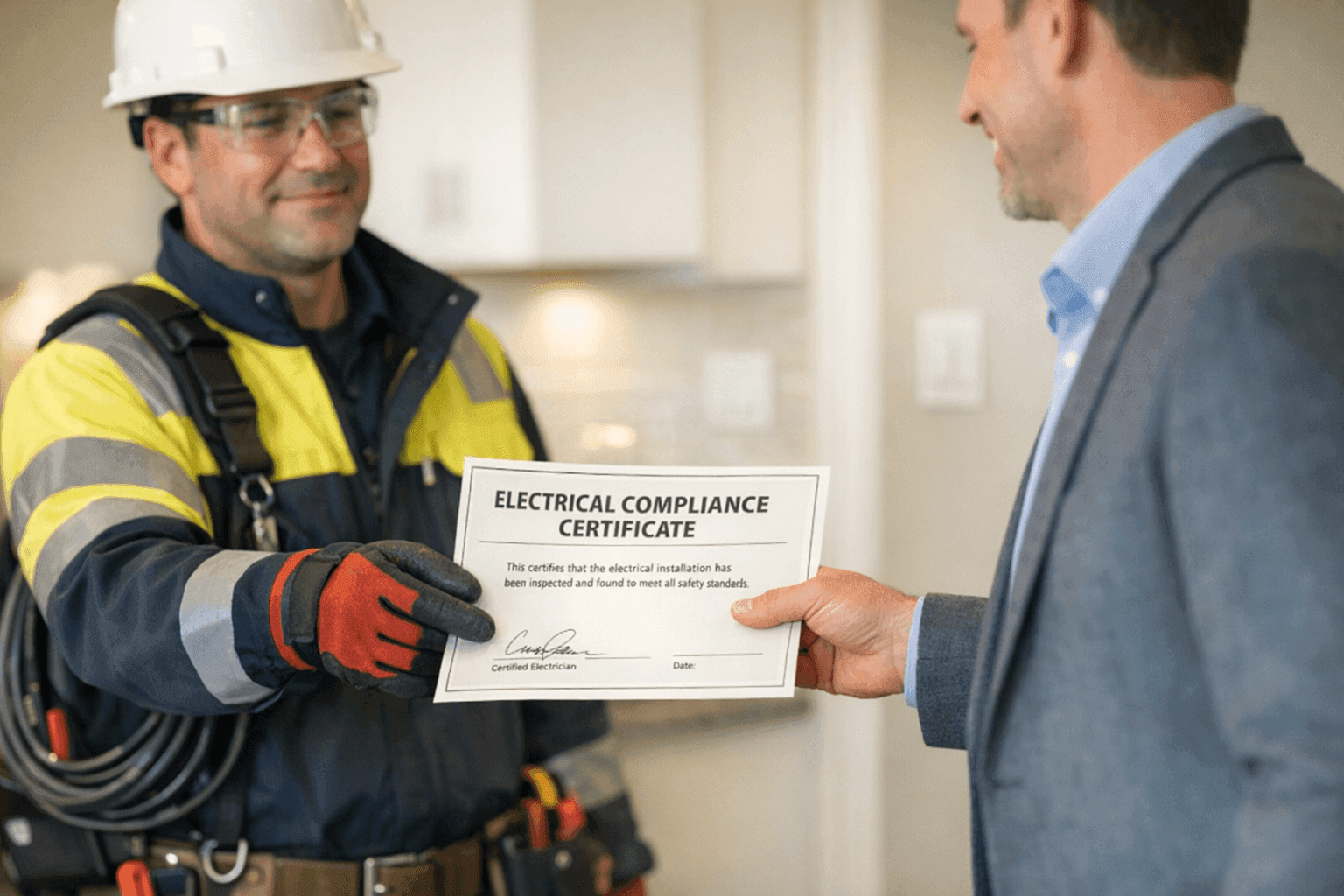
Is your next tenant about to sign? Or maybe you’re juggling a few properties and paperwork is piling up. One thing you can’t afford to ignore: electrical certificates. For every landlord and property manager, these documents are more than a formality—they’re a shield for your tenants and your investment.
At LintPro Electric, we’ve seen what happens when certificates are missing. Fires, insurance headaches, even legal trouble. Let’s make sure your property stays off that list.
When Are Electrical Certificates Required?
The rules around electrical certificates are clear—yet often overlooked. Here’s when you’ll need one:
- Before a new tenant moves in: Local codes and insurance policies usually demand a fresh inspection.
- After major electrical upgrades or rewiring: Any new circuits, panels, or major repairs? Get a certificate.
- Insurance renewals or claims: Insurers may request up-to-date documentation. No certificate? You might not get paid out.
- After a safety incident (fire, shock, outage): Authorities and insurers will ask for proof of compliance.
Think of an electrical certificate like a passport for your property. Without it, you’re not going anywhere safely.
What Does an Electrical Certificate Prove?
A valid certificate isn’t just a slip of paper. It’s official proof that a licensed electrician has inspected the property and found:
- No visible electrical hazards
- Wiring and circuits meet current safety codes
- Outlets, switches, and appliances are properly installed
- Safety devices (like smoke and carbon monoxide detectors) are in place
- The whole system is fit for occupancy
It’s your evidence that you’ve met your duty of care.
The Electrical Inspection Process: What to Expect 🕵️
So, what actually happens during an inspection?
- Initial walk-through: The electrician checks the main panel, circuits, and visible wiring.
- Testing outlets and switches: Tools check for faults, polarity, and grounding.
- Safety device check: Smoke alarms, GFCIs, AFCIs—every required device gets tested.
- System review: Any signs of overheating, exposed wires, or DIY “fixes” are flagged.
- Report generation: You receive a detailed report. If issues are found, you’ll get recommendations for repairs.
The process can feel like a dentist visit—thorough, sometimes nerve-wracking, but necessary for long-term health.
Keeping Records Straight: Why Documentation Matters
Lost certificates are more common than you’d think. Yet, without proof, you’re exposed to risk.
- Store certificates securely: Digital and hard copies. Backups save headaches.
- Track expiry dates: Certificates may only be valid for a set period (often 1–5 years, depending on local code).
- Update after work: Every major upgrade or repair needs a new certificate.
A well-kept file can be your best friend if you ever face a dispute, insurance claim, or audit.
Communicating with Tenants About Electrical Safety
Tenants want to feel safe. Clear communication builds trust.
- Share certificates: Give tenants a copy when they move in.
- Explain what was checked: A simple summary reassures even the most anxious renter.
- Encourage reporting: Remind tenants to flag any electrical issues—burning smells, flickering lights, warm outlets.
It’s better to hear about a weird buzz early than deal with a blackout at midnight.
Staying Compliant with Codes and Laws
Every region has its own rules, but most follow standards from the National Electrical Code (NEC) or local building departments. These codes are updated regularly—usually every three years.
- Check your local requirements: Some cities require certificates more often, or after specific types of upgrades.
- Don’t cut corners: DIY fixes or non-licensed work rarely pass inspection.
- Regular updates: Codes change. Stay ahead to avoid retroactive headaches.
You can reference the National Fire Protection Association’s NEC guidelines for specifics, but always check your city or state’s rules.
Code Compliance Isn’t Optional
Ignoring electrical codes is like skipping the oil change on a long road trip. Sooner or later, you’ll break down—and the repair bill will sting.
- Insurance may not pay out after an incident if you’re not compliant.
- Legal liability: Landlords are required by law to provide safe housing.
- Tenant retention: Safe homes keep good tenants longer.
Electrical Certificates and Insurance: A Crucial Link
Many insurers will ask for certificates before issuing or renewing a policy. If there’s ever a fire or serious incident, they’ll want proof the property was up to code.
- No certificate? Claim denied.
- Up-to-date documentation? Smooth claims process.
Insurance companies see electrical certificates as risk reducers. So should you.
What Happens if You Skip the Process?
The risks are real:
- Fines and penalties: Local authorities can issue fines or even condemn unsafe properties.
- Increased liability: If someone gets hurt, you could be on the hook for medical and legal costs.
- Tenant turnover: Unsafe homes drive away reliable renters.
The cost of a certificate is minor compared to these risks.
Preventing Problems: Routine Safety Checks and Maintenance 🛠️
Regular maintenance is the unsung hero of safe rentals.
- Schedule annual inspections: Even if not required, a yearly check keeps surprises at bay.
- Test safety devices monthly: Encourage tenants to press those smoke alarm buttons.
- Proactive repairs: Fix frayed wires or broken outlets immediately.
A little prevention goes a long way.
LintPro Electric’s Experience with Rental Properties
We’ve worked with countless landlords and property managers. From heritage homes to new builds, we know the common pitfalls:
- Outdated panels in older homes
- Hidden DIY wiring behind drywall
- Forgotten smoke detectors
Our documentation is clear and easy to understand. We’re ready to answer questions from your insurers, city inspectors, or even your pickiest tenants.
Common Mistakes Landlords Make (And How to Avoid Them)
- Relying on old certificates: Rules change. So do safety standards.
- Skipping inspections after upgrades: Every new circuit needs a fresh look.
- Losing paperwork: Keep physical and digital copies, and back them up.
A little organization now saves big headaches later.
How to Choose the Right Electrician for Certificates
Not all electricians are created equal. Here’s what to look for:
- Licensed for your area: Always verify credentials.
- Experience with rental properties: Different from residential or industrial work.
- Transparent documentation: Reports should be detailed, with plain-English explanations.
If you’re searching for reliable Certificates or need someone who understands the unique needs of rentals, LintPro Electric is ready to help.
Electrical Safety: Signs You Need Immediate Help
There are times when waiting isn’t an option:
- Burning smells or scorch marks
- Sparking outlets
- Frequent breaker trips
- Shocks from appliances
Call an electrician right away if you notice any of these. Safety comes first.
Practical Tips for Staying Ahead
- Mark certificate expiration dates on your calendar.
- Schedule inspections before new tenants move in.
- Keep emergency contact details handy.
- Budget for routine maintenance.
Make electrical safety part of your standard property management checklist.
Frequently Asked Questions
Q: How long is an electrical certificate valid?
A: It depends on your local code—often 1–5 years, or until major changes are made.
Q: Do I need a certificate for minor repairs?
A: Usually not for replacing outlets or switches, but check your local regulations.
Q: What if my property fails inspection?
A: Complete the recommended repairs and book a follow-up. Your electrician will guide you.
Ready to Protect Your Property and Tenants?
Electrical certificates aren’t just about ticking boxes—they’re about keeping people safe and your investment secure. Stay compliant, stay organized, and rest easy knowing your rentals are in good hands.
Call LintPro Electric now — or reach us anytime at 844-484-8656 .